Decarbonising stainless steel: India’s big challenge
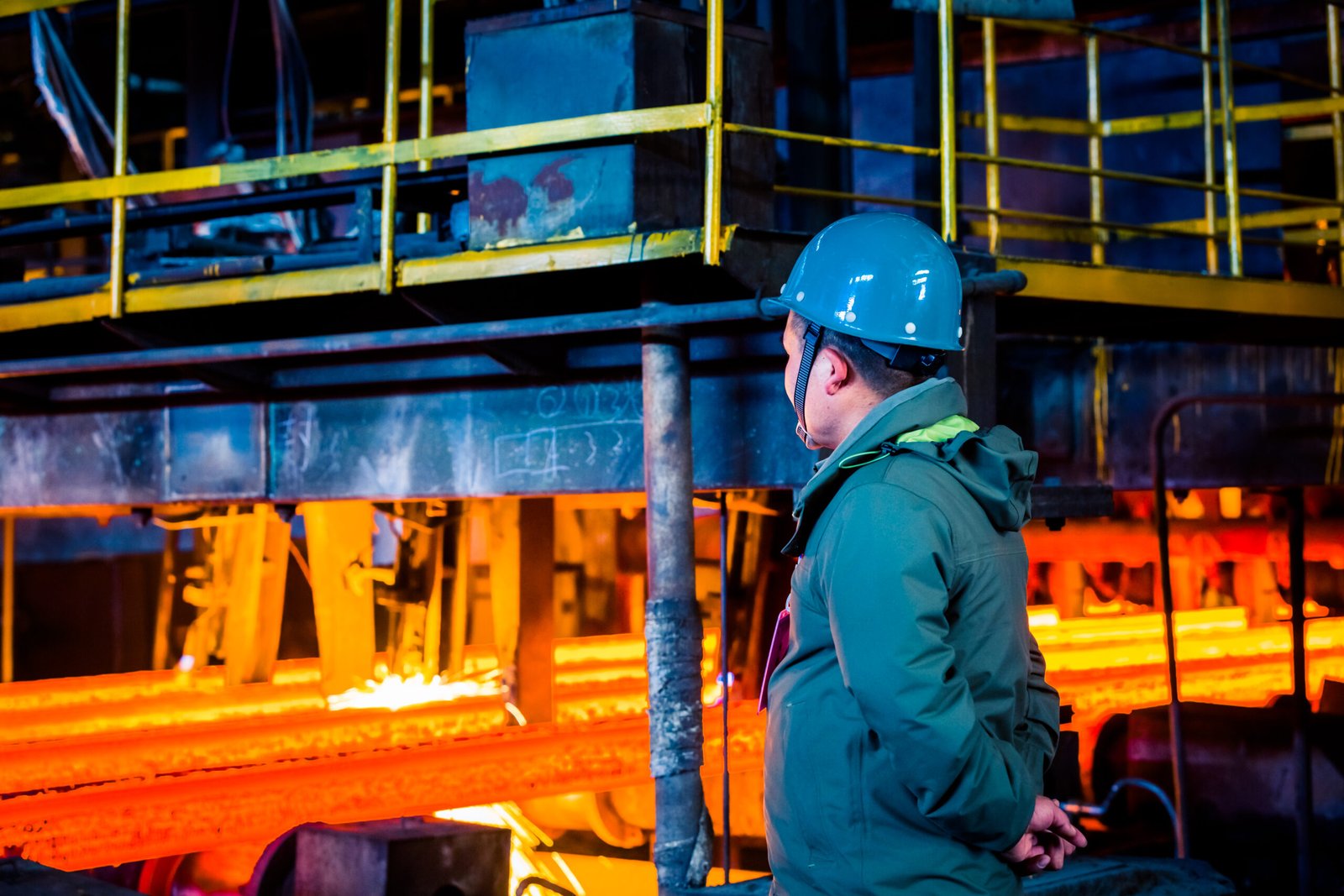
The drive to decarbonise stainless hinges on turning fragmented metal waste into a reliable, certified feedstock for electric arc furnace (EAF) routes and hybrid hydrogen DRI chains.
India’s green-steel narrative is gathering pace with policy signals that recognise how crucial the sector is for India to meet its net-zero emissions targets by 2070. Over 10 per cent of total global carbon emissions are through coal-based blast furnaces, with the fast-growing Indian stainless steel market an important user.
Roughly three‑quarters of India’s steel remains coal‑based, and low-carbon routes require expensive balancing acts. The government’s recent release of a Green Steel Roadmap and taxonomy has put decarbonisation at the center of industrial strategy.
“The first step toward a scalable ‘Green Stainless Steel’ transition is Carbon Readiness,” says Juzer Kothari, Managing Director, Conserve Consultants, emphasising the need to establish a common, transparent framework for measuring and disclosing the carbon footprint of stainless steel across grades and processes.
States and larger steel groups have announced measures focusing on carbon capture, recycling initiatives, and pilot hydrogen-DRI plants. “To accelerate the green transition, companies need to commit to sustainability beyond their own operations,” says Rajeev Sherry, Managing Director, Outokumpu India.
The EY Parthenon study forecasts green-steel demand soaring to 179 million tonne by 2050 from near‑zero today, with early demand projected at 4.5 million tonne by FY30. The numbers, however, expose a gap between ambition and commercial reality – a gauge of opportunity, rather than immediate supply capability.
“The real risk is not in investing in decarbonisation, but in delaying it. If we fail to act, global buyers will shift towards greener suppliers, and Indian producers could be left behind in the international value chain,” says Rajamani Krishnamurti, President, Indian Stainless Steel Development Association (ISSDA).
Technology pathways and their economics
There are two credible low‑carbon routes for stainless:
● EAF (electric‑arc furnace) + scrap: relies on high‑quality scrap and cheap renewable electricity; offers faster scale‑up where scrap ecosystems are mature.
● Hydrogen‑DRI + EAF or integrated finishing: uses green hydrogen to reduce iron ore; promising for high‑grade stainless but demands large electrolyser capacity and stable, low‑cost renewable power. The upfront capex for electrolysers, hydrogen storage, and port logistics is enormous, and returns hinge on a steep decline in green hydrogen prices.
Large groups are advancing EAF and hydrogen pilot deals, signing renewable-power offtakes and exploring captive electrolyser hubs near ports – sensible moves to control cost and logistics. At the same time, smaller mills face acute financing and feedstock hurdles; they cannot switch technologies overnight without cheap power, cheap hydrogen, and capital.
India’s stainless‑steel industry – a pivotal junction
Stainless steel sits within India’s crude-steel footprint as a capital-intensive, alloy-dependent segment, and decarbonisation disproportionately affects stainless economics, particularly in terms of nickel, chrome, and coke supply.
“The steel industry stands at a crossroads. Decarbonisation is not merely a goal; it’s a necessity, requiring a paradigm shift. To achieve this, we must invest in cutting-edge but affordable technologies and collaborate with industry leaders and suppliers,” says Sherry.
“Investments in R&D for low-carbon production routes, advanced alloys, and circular economy practices will determine how competitive India becomes globally,” according to Krishnamurti. “R&D in low-carbon processes, advanced alloys, and circular practices will define India’s global competitiveness,” he adds. Export markets and major buyers are asking for verified low-carbon steel. Buyers want proof of scale and consistent pricing before shifting large procurement budgets.
India’s stainless‑steel sector sits at a pivotal junction: a fast-growing domestic market, clustered industrial capacity, and policy momentum collide with the hard economics of decarbonisation. The question is not whether India will decarbonise its stainless value chain, but how fast, how inclusively, and at what social and economic cost.
Kothari of Conserve Consultants thinks opportunities will arise as the foundation for carbon readiness is laid by “aligning on scope, standards, and verification methodologies so all manufacturers compete on credible and transparent data, and buyers reward genuine performance.
Trade consequences and strategic opportunity
Decarbonisation reshapes trade flows: embodied carbon is becoming a gatekeeper to premium markets. Corporate procurement is responding: European OEMs and large domestic buyers are beginning to demand embodied carbon data, and a 15–30 per cent premium for certified green stainless is being priced into some discussions.
Indian stainless makers that can certify low‑carbon tonne will secure higher‑margin offtakes from global OEMs; those that cannot will face softer prices and shrinking market access as buyers internalise carbon costs.
Why scrap matters for India’s ‘green stainless revolution’
India’s stainless‑steel industry is fast becoming a story about scrap. If India can clean, certify, and scale scrap supply at a competitive cost, it will make green stainless economically viable, reduce import vulnerability, and capture premium markets.
The drive to decarbonise stainless hinges on turning fragmented metal waste into a reliable, certified feedstock for electric‑arc furnace (EAF) routes and hybrid hydrogen‑DRI chains. Imported stainless scrap climbed sharply in early 2025. Industry forecasts point to a persistent import dependence into 2030.
Using scrap cuts energy use and CO2 per tonne dramatically, but only if the feedstock mix is reliable and metallurgically coherent. Imported 304‑grade scrap has traded in the low‑to‑mid US$ 1,200s per tonne range in 2025, making certain imported grades cheaper and incentivising imports.
“Stainless steel is infinitely recyclable, yet India still imports a large share of its scrap. Establishing structured collection, segregation, and processing channels can reduce carbon intensity while ensuring raw material security,” points out Krishnamurti.
India’s stainless steel reckoning
New Delhi’s net‑zero 2070 pledge and a flurry of policy moves create headline momentum, but the politics behind those headlines will determine who wins and who is left stranded. At stake is a sector that remains heavily reliant on coal. India’s crude steel capacity sits around 120–130 mtpa, with roughly three‑quarters reliant on coal‑DRI and blast‑furnace routes.
“Those who sit on budgets have their constraints, and they usually try to prefer the low-cost solution, which in many cases is carbon steel, whereas stainless steel is the better choice considering the total costs over the life cycle,” explains Sherry. “Smart and focused decarbonisation is the key to success in this important transition,” he adds.
“Collaboration will be the real game changer,” thinks Krishnamurti, adding that “industry, government, and academia must work in tandem. Policy incentives such as green finance, carbon credits, and technology support, combined with the industry’s commitment to responsible practices, can accelerate the transition.”
The test is to make green investment bankable and inclusive, not just headline‑friendly. “Verified low-carbon products will qualify under CBAM and other programs, thereby earning a green premium. Green finance, sustainability-linked loans, and preferential procurement will flow to carbon-ready producers,” says Kothari.
“India does not have to choose between growth and sustainability. With the right enablers, we can position stainless steel as the material of choice for a greener, resilient, and future-ready economy,” concludes Krishnamurti.