Asia’s stainless steel homeware market heats up, India gains ground
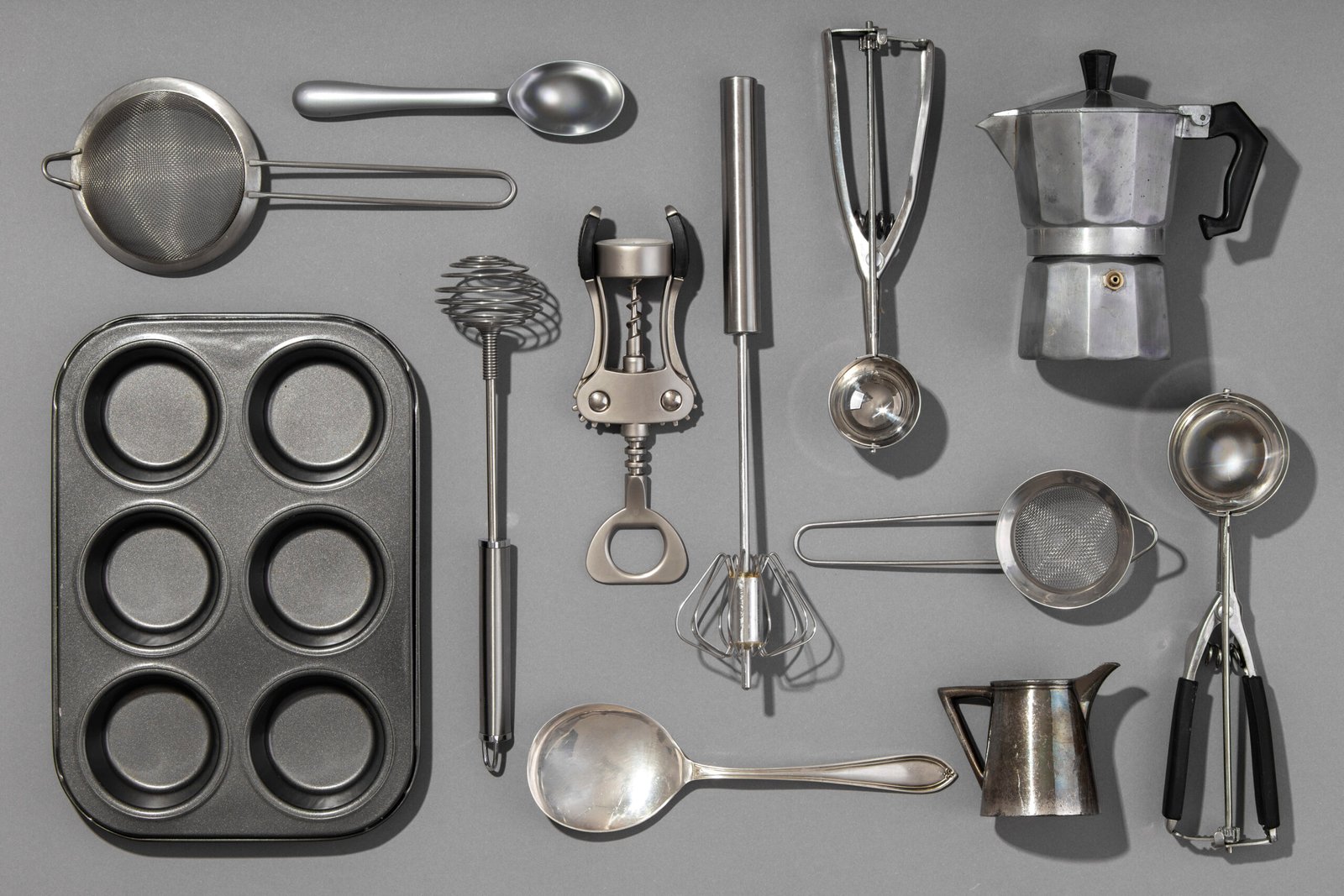
The market for stainless steel homeware items in Asia is expected to increase steadily, with India being one of the centres where demand is highest. As urban households expand and kitchens modernise, the region is expected to reach 2.5 billion units by 2035. The key question now: can India turn rising consumption into stronger domestic production and exports?
A steady Asian market with long-term momentum
Asia’s market for stainless steel tables, kitchen, and household articles is expected to grow at a volume CAGR of about 1.8 per cent through 2035. At the same time, the market value is projected to rise by nearly 2.6 per cent each year, reaching around $18.8 billion.
Updated industry estimates for 2025 suggest that demand has stabilised after the post-pandemic slowdown. This growth is mainly driven by replacement demand and everyday household use, rather than one-off spikes.
India gains ground as consumption rises
Alongside Turkey and China, India remains one of Asia’s top three consumers, together accounting for nearly 73 per cent of total regional demand. India’s consumption crossed 240 million units by 2025, supported by rising urbanisation, nuclear families, and a shift towards durable, hygienic cookware.
Looking ahead, India’s market is expected to grow by 4 to 5 per cent in 2026. This growth could push consumption close to 250–255 million units, with market value likely to exceed $2.2 billion. Per capita usage remains well below global averages, leaving ample room for future growth.
Production and trade
On the supply side, China continues to dominate, accounting for about 60 per cent of Asia’s production and over 90 per cent of exports. India ranks third in production, with output of around 265 million units, and has maintained a steady pace compared to its neighbouring countries.
Imports across Asia rose sharply and crossed 325 million units, led by demand from South Korea, Japan, and Southeast Asian markets. Notably, the Philippines remains the fastest-growing importer, while Iraq has seen the sharpest rise in import value.
Prices, margins, and the road ahead
Throughout Asia, a significant price difference remains. Import prices in Asia are usually around $5 to $6 per unit, but Japan pays almost $10 per unit, while the Philippines imports at about $1.3 per unit. On the export side, India stands out with higher average prices of around $14 per unit, showing a focus on higher-value products.
For India, the opportunity from 2026 onwards is to scale up manufacturing, improve product consistency, and move further up the value chain. As kitchens across Asia continue to modernise, stainless steel remains a staple, and India is well placed to turn growing domestic demand into long-term industrial strength.