Engineered Bacteria Produce Cyanophycin-Containing Material That Achieves 85% Corrosion Inhibition in Laboratory Tests
The use of biologically produced materials in industrial applications is an area of growing scientific interest, particularly in exploring alternatives for corrosion protection. One such material is cyanophycin, a biodegradable biopolymer that can be produced by microorganisms through biological synthesis.
Researchers have demonstrated a biological method for producing cyanophycin using genetically engineered Escherichia coli. The recovered cyanophycin-containing material achieved 85% corrosion inhibition efficiency on stainless steel test samples under controlled acidic conditions. The study used a high-cell-density fed-batch fermentation process and evaluated commercially available lactose as a lower-cost alternative to the synthetic inducer isopropyl beta-D-1-thiogalactopyranoside (IPTG).
Published in 2026, the research establishes a production process connecting bacterial cultivation, biopolymer recovery and preliminary corrosion inhibition testing.
Recombinant E. coli Used for Cyanophycin Production
The research team developed a cellular production platform by introducing the cyanophycin synthetase gene, known as cphA, from the photosynthetic cyanobacterium Synechocystis sp. PCC 6803 into Escherichia coli BL21(DE3) host cells. The codon-optimised cphA sequence was cloned into the pETDuet-1 expression vector under the control of a T7 promoter and lac operator. Carbenicillin was used for plasmid maintenance.
To confirm cyanophycin synthetase expression, the researchers also developed a secondary recombinant plasmid construct expressing a cyanophycin synthetase-green fluorescent protein fusion. Western blot analysis using an anti-GFP antibody identified a specific band at approximately 120 kilodaltons, consistent with the expected molecular weight of 124.2 kilodaltons, confirming expression of the recombinant fusion protein. Cyanophycin, also known as cyanophycin granule polypeptide (CGP), is a non-ribosomally synthesised biopolymer composed primarily of an aspartic acid backbone with appended arginine residues. Its synthesis involves enzymatic assembly rather than conventional ribosomal protein translation.
Lactose Evaluated as an Alternative to Synthetic Inducer
An important part of the investigation involved evaluating lactose as a replacement for IPTG, a synthetic inducer commonly used in laboratory-scale recombinant protein production. The researchers initially conducted 24-hour shake-flask experiments to compare bacterial growth and cyanophycin accumulation under different induction conditions.
Cultures induced with 0.1 millimolar IPTG achieved a final optical density at 600 nanometres of 7.0. The recovered crude soluble and insoluble polymer fractions measured 0.042 g/L and 0.050 g/L, respectively. In comparison, cultures induced with 1% weight-by-volume lactose achieved a slightly higher optical density. The recovered crude soluble and insoluble fractions measured 0.037 g/L and 0.090 g/L, respectively.
Based on these results, the researchers selected commercial lactose for subsequent bioreactor experiments. During fed-batch cultivation, lactose was added for induction, while glucose was used as the primary substrate in the feeding solution.
Fed-Batch Fermentation Improves Biopolymer Recovery
The research progressed from shake-flask experiments to submerged cultivation in an instrumented 4-litre glass bioreactor operated at a working volume of 1.5 litres. Initial batch fermentation was conducted using a mineral salts medium containing 20 g/L glucose as the carbon source. The temperature was maintained at 37°C, dissolved oxygen was kept above 30% through automated control, and the pH was maintained at 7.0.
Under these conditions, the bacterial culture reached an optical density of approximately 20 after 18 hours. The initial glucose supply was exhausted at around 16 hours, while acetate accumulated to approximately 2.2 g/L. The researchers investigated phosphate and D-ribose supplementation to improve bacterial growth and cyanophycin (CGP) production. The cultivation medium also contained yeast extract and trace elements, while yeast extract and tryptone were included in the fed-batch feeding solutions. The addition of phosphate and ribose resulted in a twofold increase in maximum optical density compared with unsupplemented batch cultures. The recovered crude soluble polymer fraction increased 2.24-fold, while the insoluble fraction increased 4.88-fold.
Following batch optimisation, the researchers implemented fed-batch fermentation to support higher cell densities and maintain substrate availability. The researchers used a preliminary feed-concentration screening approach to evaluate the effects of different glucose concentrations on bacterial growth, acetate accumulation and cyanophycin recovery. The results showed that glucose concentration influenced bacterial growth, acetate formation and polymer recovery. With the 600 g/L glucose feed, the culture reached an optical density of approximately 47.
However, residual glucose and elevated acetate levels affected polymer recovery. The crude soluble and insoluble fractions measured 6.935 g/L and 3.280 g/L, respectively. Reducing the glucose feed concentration to 400 g/L improved optical density by 1.40-fold. The recovered crude soluble and insoluble fractions increased by 2.25-fold and 1.54-fold, respectively. The 200 g/L glucose feed delivered the most favourable results among the tested feeding strategies. It enabled complete consumption of the supplied glucose without residual sugar accumulation and supported a peak optical density of 126.
This feeding strategy also maintained the lowest acetate accumulation among the three configurations. However, acetate was still produced and eventually inhibited cell growth. The researchers associated the improved production performance with better substrate utilisation and lower acetate accumulation compared with the higher-concentration feeding strategies. Under these conditions, the process achieved maximum reported crude product recoveries of 35.4 g/L for the soluble fraction and 17.8 g/L for the insoluble fraction.
Biopolymer Recovery and Structural Characterisation
Following fermentation, bacterial cells were harvested through centrifugation, resuspended in distilled water and disrupted using ultrasonic sonication. The crude lysate was adjusted to pH 0.9 using hydrochloric acid before centrifugation to remove acid-insoluble cellular debris. The clarified supernatant was subsequently neutralised to pH 7.0 using sodium hydroxide. The soluble and insoluble cyanophycin-containing fractions were separated through precipitation and recovery procedures. The soluble fractions were precipitated using ice-cold ethanol, washed and freeze-dried. The insoluble fractions were processed using dilute acid, clarified, neutralised and recovered through centrifugation before freeze-drying.
The recovered material was characterised using Fourier transform infrared spectroscopy (FTIR), X-ray diffraction (XRD) and matrix-assisted laser desorption/ionisation mass spectrometry (MALDI-MS). FTIR analysis identified characteristic functional group signatures associated with cyanophycin. X-ray diffraction revealed a broad amorphous halo without sharp crystalline reflections. Mass spectrometry identified molecular weight distributions of 10–25 kilodaltons in the soluble fractions and 20–25 kilodaltons in the insoluble fractions, supporting the identification of cyanophycin macromolecules.
The researchers clarified that the gravimetric measurements represented crude recovered fractions containing potentially co-extracted cellular components, residual salts and moisture. Therefore, the reported recovery values should not be interpreted as concentrations of purified cyanophycin.
Cyanophycin Demonstrates 85% Corrosion Inhibition Efficiency
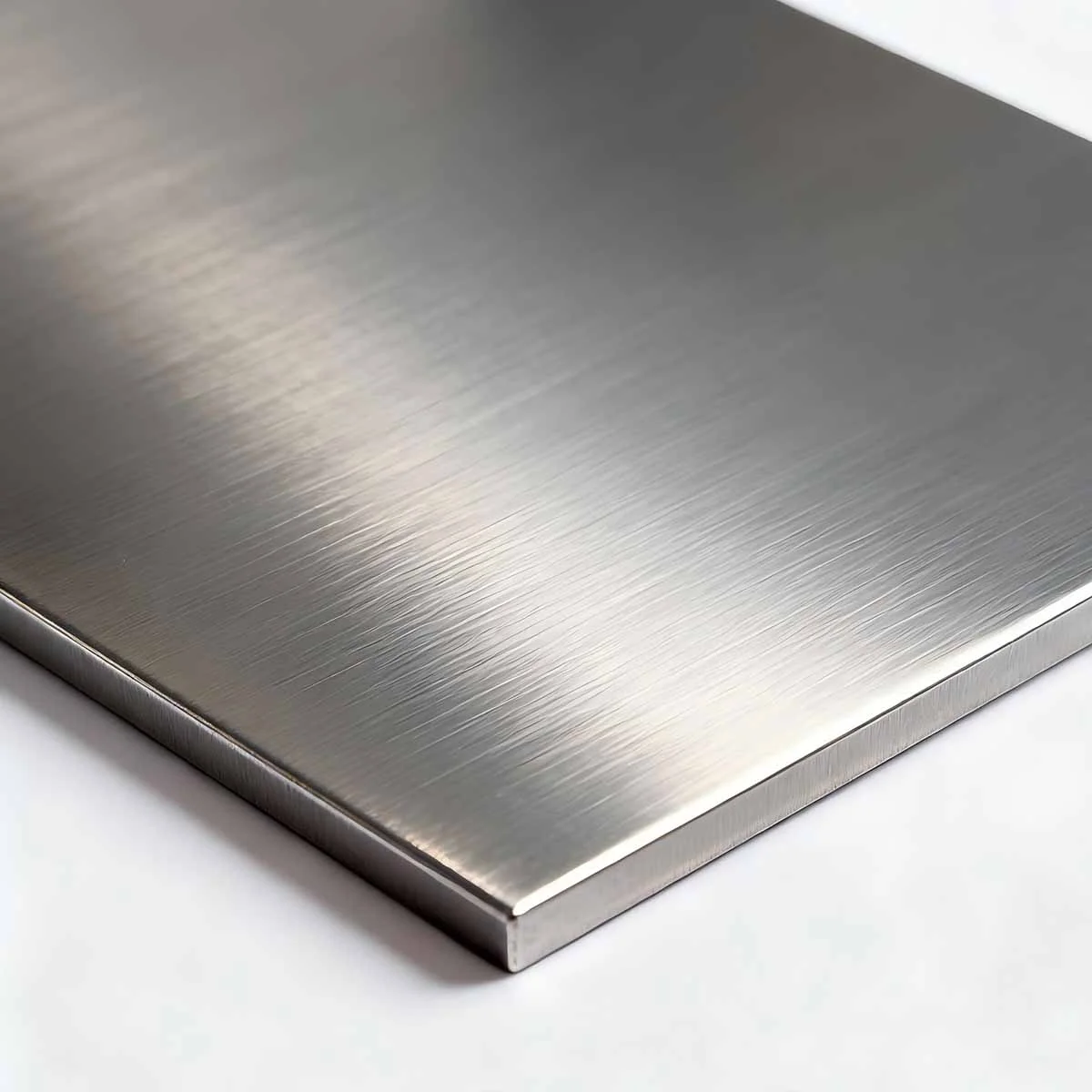
The corrosion-inhibition performance of the recovered CGP-related material was evaluated using stainless steel sheets measuring 1.5 × 1.0 centimetres, with a thickness of 0.002 inches.
The samples were immersed in various test solutions and incubated at 30°C for 24, 48 and 72 hours. Gravimetric measurements were used to assess metal mass loss and calculate corrosion rates. The results showed that the recovered material achieved a corrosion rate of 0.082 milligrams per square centimetre per hour, corresponding to a reported corrosion inhibition efficiency of 85% compared with untreated control samples under the experimental conditions.
The authors noted that the findings demonstrate preliminary corrosion protection on stainless steel samples under controlled acidic laboratory conditions. They also highlighted that comparisons with previously published research must account for differences in experimental methodologies, crude fraction recovery and material purity. The study establishes a biological production route for cyanophycin and evaluates its potential as a corrosion-inhibiting material through laboratory testing. However, industrial-scale implementation and large-scale process validation have not yet been demonstrated. Further research is required to optimise upstream cultivation, downstream purification and evaluate corrosion-related applications at a larger scale.
Research Reference
Kafle, S. R., Mukunth, A., Han, A., Jayaraman, A., & Aristidou, A. (2026). Biosynthesis of cyanophycin by high-cell-density cultivation of recombinant Escherichia coli for corrosion-resistant biomaterial applications. Bioprocess and Biosystems Engineering, 49, 2777–2791.
DOI: https://doi.org/10.1007/s00449-026-03412-9
Disclaimer: This article has been prepared based on the research paper titled “Biosynthesis of cyanophycin by high-cell-density cultivation of recombinant Escherichia coli for corrosion-resistant biomaterial applications,” published in Bioprocess and Biosystems Engineering in 2026. The research findings, experimental procedures and reported data are attributed to the original authors. The information is presented for industry awareness and editorial purposes.