How to Remove Rust From Stainless Steel Without Damaging the Surface
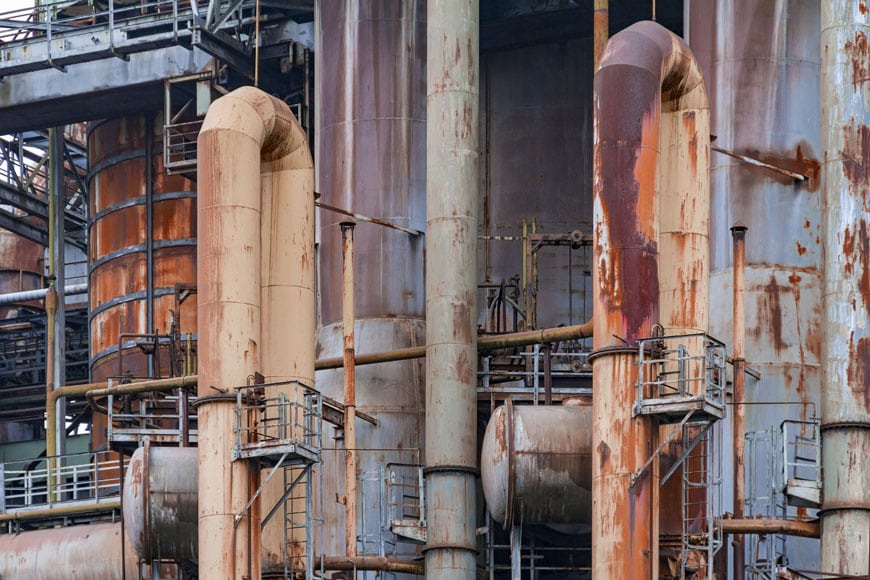
Stainless steel is valued for its strength, durability and resistance to corrosion. But despite its name, stainless steel is not completely rustproof. Rust stains can appear because of moisture, surface contamination, scratches, harsh chemicals or contact with ordinary carbon steel.
The good news is that many surface rust stains can be removed without damaging the stainless steel. The key is choosing the right cleaning method and avoiding abrasive materials that can make the problem worse.
Why Does Stainless Steel Rust?
Stainless steel gets its corrosion resistance primarily from chromium. When exposed to oxygen, chromium forms a thin passive layer on the surface that protects the underlying metal.
This protective layer can be affected by scratches, harsh chemicals, prolonged moisture and contamination from iron or carbon steel. Iron particles transferred from tools, steel wool or nearby fabrication work can also rust on the stainless steel surface, creating brown or orange stains.
This means that a rust mark does not always indicate that the stainless steel itself is severely corroded.
How to Remove Rust From Stainless Steel
Start With Mild Soap and Water
For light staining, begin with the simplest method. Clean the affected area with warm water and a mild detergent using a soft cloth or non-abrasive sponge. Always work in the direction of the stainless steel’s grain or finish. Rinse thoroughly with clean water and dry the surface afterwards.
Use a Baking Soda Paste for Light Rust
For small, superficial rust stains, baking soda can provide a gentle cleaning option. Mix baking soda with a small amount of water to create a paste. Apply it to the affected area with a soft cloth or non-scratch sponge and gently rub the stain. Rinse thoroughly and dry the surface. Avoid excessive pressure, particularly on polished or decorative finishes, as scratching can make future staining more likely.
Try a Suitable Stainless Steel Cleaner
If the stain remains, a commercial cleaner specifically formulated for stainless steel may be more effective. Choose a product that is compatible with the stainless steel grade and surface finish. Follow the manufacturer’s instructions and rinse away any residue after cleaning.
For persistent industrial or architectural staining, specialist cleaning products may be required rather than household solutions.
Treat Severe Rust Staining Carefully
Heavy or recurring rust staining can sometimes indicate iron contamination or localised corrosion. Specialist treatments, including certain acid-based cleaners, are used in the stainless steel industry for persistent contamination. These should be handled according to the manufacturer’s safety instructions and are best suited to trained personnel in industrial applications.
If the surface has developed visible pits, roughness or deep corrosion, cleaning alone may not solve the underlying problem.
What Should You Avoid?
- Using the wrong cleaning material can damage stainless steel or introduce additional contamination.
- Avoid steel wool and carbon-steel brushes: These can leave iron particles on the surface, which may subsequently rust.
- Avoid harsh abrasives: Aggressive scrubbing can scratch the finish and create areas where contaminants accumulate.
- Avoid bleach and chloride-based cleaners: Chlorides can contribute to staining and localised corrosion of stainless steel.
- Do not leave cleaning chemicals on the surface: Rinse thoroughly with clean water after cleaning and dry the surface.
How to Prevent Rust on Stainless Steel
Prevention is often easier than rust removal. Regular cleaning helps remove dirt, salt and other contaminants before they affect the surface.
Stainless steel should also be kept as dry as practical, particularly in areas exposed to moisture or corrosive environments. During fabrication and installation, contact with carbon-steel tools and grinding dust should be avoided to reduce the risk of iron contamination.
The surrounding environment also matters. Coastal areas, industrial facilities and locations exposed to chlorides can place greater demands on stainless steel. Selecting an appropriate grade, surface finish and maintenance programme is therefore important for long-term performance.
The Bottom Line
Knowing how to remove rust from stainless steel starts with understanding what caused the stain. Light rust can often be addressed with gentle cleaning, while persistent contamination may require specialised treatment.
Avoid abrasive tools, carbon-steel brushes and unsuitable chemicals, and make regular cleaning and drying part of stainless steel maintenance. With the right care, stainless steel can retain both its appearance and corrosion-resistant properties for years.