Stainless Steel Mesh Finds Growing Use in Architecture and Infrastructure
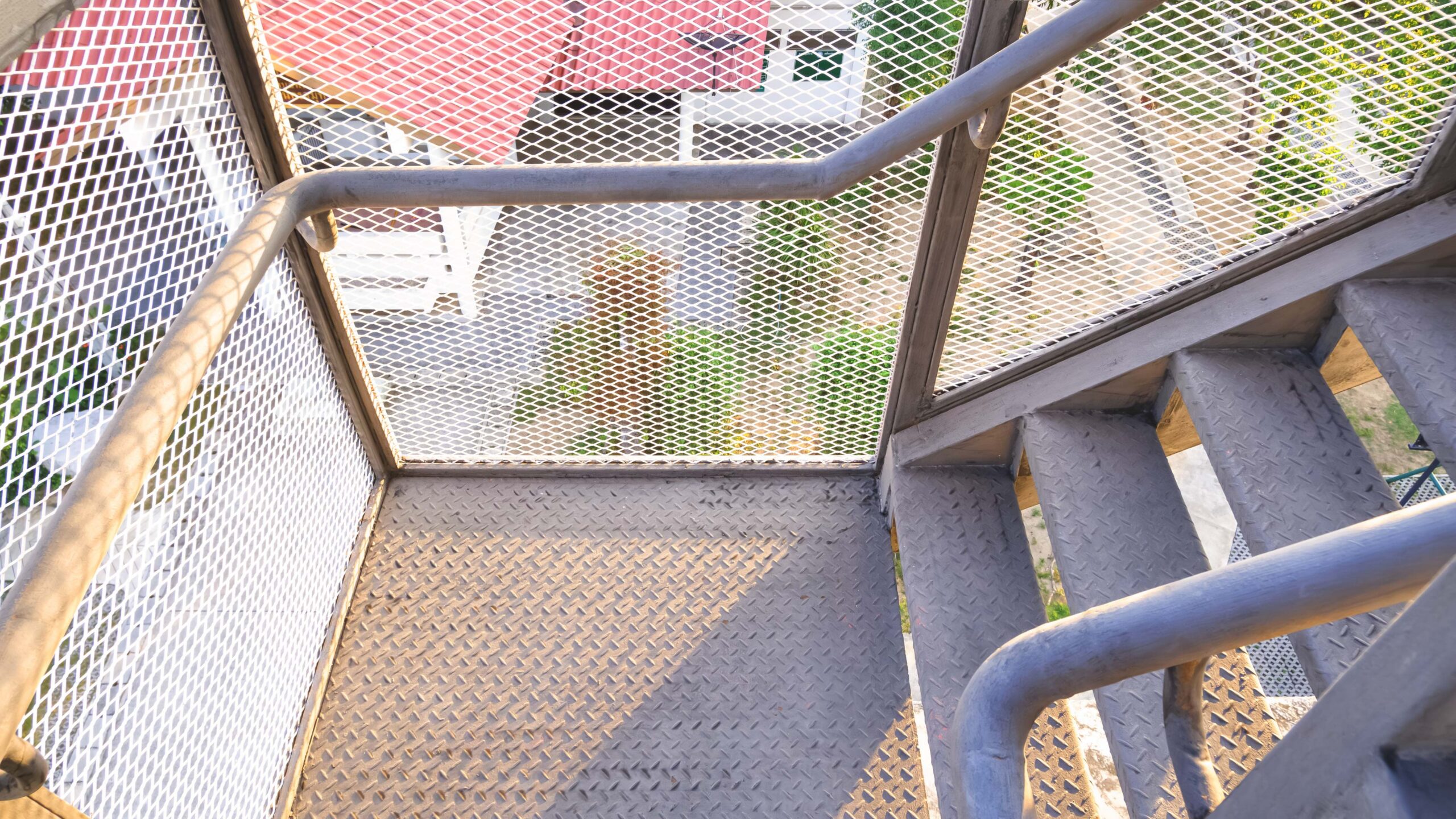
India’s rapidly evolving urban landscape is creating new opportunities for stainless steel wire and mesh across architecture, infrastructure and public spaces. Once primarily associated with industrial applications, these materials are increasingly being used for facades, railings, enclosures, green walls, transportation infrastructure and large-span structures.
Their combination of strength, durability, transparency and design flexibility is allowing architects and engineers to use stainless steel mesh not just as a functional material, but as an architectural element.
From Functional Material to Architectural Feature
Modern stainless steel mesh systems are increasingly visible in building facades and architectural structures. They can function as secondary skins, helping improve natural ventilation and daylight penetration while providing an additional layer of visual and environmental performance.
The material’s high strength-to-weight ratio also enables large-span applications without adding excessive structural load. Its resistance to environmental exposure makes it particularly relevant for projects operating in demanding urban conditions, including areas exposed to pollution, humidity and intense sunlight.
This shift is expanding the role of stainless steel wire and mesh from hidden infrastructure to prominent design features.
Applications Across India
The growing use of stainless steel mesh can be seen across several landmark and public-facing projects.
The Yamuna Sports Complex in New Delhi has incorporated stainless steel mesh into its external envelope, combining architectural appeal with environmental performance. Similar applications are emerging across commercial and residential developments in cities such as Mumbai, Hyderabad, Bengaluru and Ahmedabad.
Stainless steel mesh is also being used to create large, visually open enclosures in zoological parks and public spaces. Applications such as the bird aviary at Veermata Jijabai Bhosale Udyan in Mumbai demonstrate how cable and mesh systems can provide safety while maintaining visibility and a sense of openness. Similar systems have also been adopted at zoological and safari projects in Pune and Bihar.
For the stainless steel industry, this trend signals a growing shift towards value-added applications beyond conventional manufacturing. As architects and infrastructure developers increasingly specify stainless steel wire and mesh, these segments could become an important avenue for expanding stainless steel consumption in India.
Supporting Green and Public Infrastructure
The growing focus on sustainable urban development is creating another application for stainless steel mesh: green facades and vertical gardens. Mesh systems can provide structural support for vegetation while contributing to the visual integration of greenery into buildings and public spaces.
Transportation infrastructure is another significant area of opportunity. Airports, metro stations and railway projects require materials capable of handling continuous public use while maintaining durability and appearance. Stainless steel wire and mesh can be used for safety barriers, escalator enclosures, ceilings, facades and architectural partitions.
Their relatively low maintenance requirements can also make them suitable for public infrastructure where long-term operational costs are an important consideration.
For the stainless steel industry, this trend signals a growing shift towards value-added applications beyond conventional manufacturing. As architects and infrastructure developers increasingly specify stainless steel wire and mesh, these segments could become an important avenue for expanding stainless steel consumption in India.
Looking Ahead
Potential applications for stainless steel wire and mesh extend across airports, railway and metro systems, commercial buildings, hotels, hospitals, educational institutions, sports complexes, zoological parks and urban renewal projects.
As architects and project owners increasingly consider lifecycle performance alongside initial costs, materials that combine durability, functionality and design flexibility are gaining relevance.
Stainless steel wire and mesh are therefore becoming an increasingly visible part of India’s evolving architectural vocabulary. From transportation hubs and green buildings to public enclosures and contemporary facades, these systems are helping create urban spaces that combine performance, longevity and design.