Hydrogen Mobility and Stainless Steel: The Next Opportunity for India’s Transportation Industry
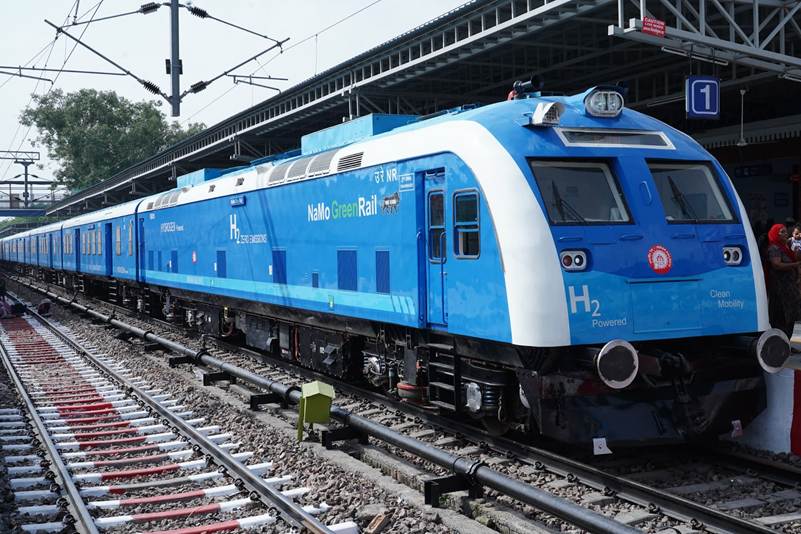
The transportation sector is entering a new phase of technological change, with hydrogen emerging as one of the promising solutions for reducing dependence on conventional fossil fuels. As India explores hydrogen-powered mobility, the transition is creating opportunities beyond the energy sector. For the stainless steel industry, hydrogen mobility could become an important new market for materials, components and infrastructure.
Hydrogen-powered trains, fuel-cell vehicles, storage systems and refuelling infrastructure all require materials capable of operating reliably under demanding conditions. This places stainless steel in a strong position, particularly where corrosion resistance, durability, strength, hygiene and long service life are critical.
Why Stainless Steel Matters in Hydrogen Mobility
Hydrogen systems operate in environments where material selection is critical. Components can be exposed to high pressures, temperature variations and demanding operating conditions. The material used must therefore provide reliability over long service periods while limiting maintenance requirements.
Stainless steel offers several characteristics that make it suitable for selected hydrogen applications. Its corrosion resistance and mechanical performance can support applications ranging from transportation equipment and piping to storage and processing systems.
In rail transportation, stainless steel has already established itself as an important material for modern coaches and rolling stock. Its combination of strength, durability and resistance to environmental degradation makes it particularly attractive for transportation systems expected to operate for decades.
The emergence of hydrogen-powered trains therefore represents more than a shift in propulsion technology. It can also create a new demand ecosystem for stainless steel producers, processors, fabricators and component manufacturers.
Hydrogen Trains Could Open a New Market
Hydrogen-powered trains are among the most visible applications of hydrogen mobility. As railway networks investigate cleaner propulsion technologies, the requirement extends beyond the hydrogen fuel cell itself.
Train bodies, equipment enclosures, piping, tanks, fittings, heat-management systems and supporting infrastructure all require carefully engineered materials. Depending on the application and design requirements, stainless steel can play a role across several of these areas.
For stainless steel manufacturers, this presents an opportunity to move further into value-added and application-specific products rather than competing purely on commodity volumes.
The opportunity could extend across the entire value chain—from stainless steel producers and service centres to tube manufacturers, fabricators, component suppliers and engineering companies.
A Commercial Opportunity for the Stainless Steel Industry
Hydrogen mobility could become particularly significant because it connects stainless steel with a rapidly developing clean-energy ecosystem.
As hydrogen production, storage and distribution infrastructure expands, demand for corrosion-resistant and reliable materials is likely to grow alongside it. Transportation applications can therefore generate demand not only for finished products but also for specialised grades, fabricated components and engineered solutions.
This could help the stainless steel industry diversify its customer base while participating in emerging sectors with long-term growth potential.
The opportunity also aligns with the industry’s broader transition towards higher-value applications. Instead of viewing hydrogen merely as an alternative fuel, stainless steel manufacturers can look at the entire hydrogen value chain—from production and storage to transportation and end use—as a potential market.
Building the Future of Clean Mobility
India’s push towards cleaner transportation will require collaboration between railway manufacturers, hydrogen technology companies, engineering firms, policymakers and material producers. Stainless steel should be part of that conversation from the design stage itself.
As hydrogen mobility develops, material selection will influence the safety, durability, efficiency and lifecycle economics of the resulting infrastructure. For the stainless steel industry, this creates an opportunity to demonstrate that its value extends well beyond traditional applications.
Hydrogen mobility could ultimately become one of the emerging markets that strengthens stainless steel’s role in India’s next generation of transportation infrastructure—while creating new avenues for innovation, value addition and industry growth.