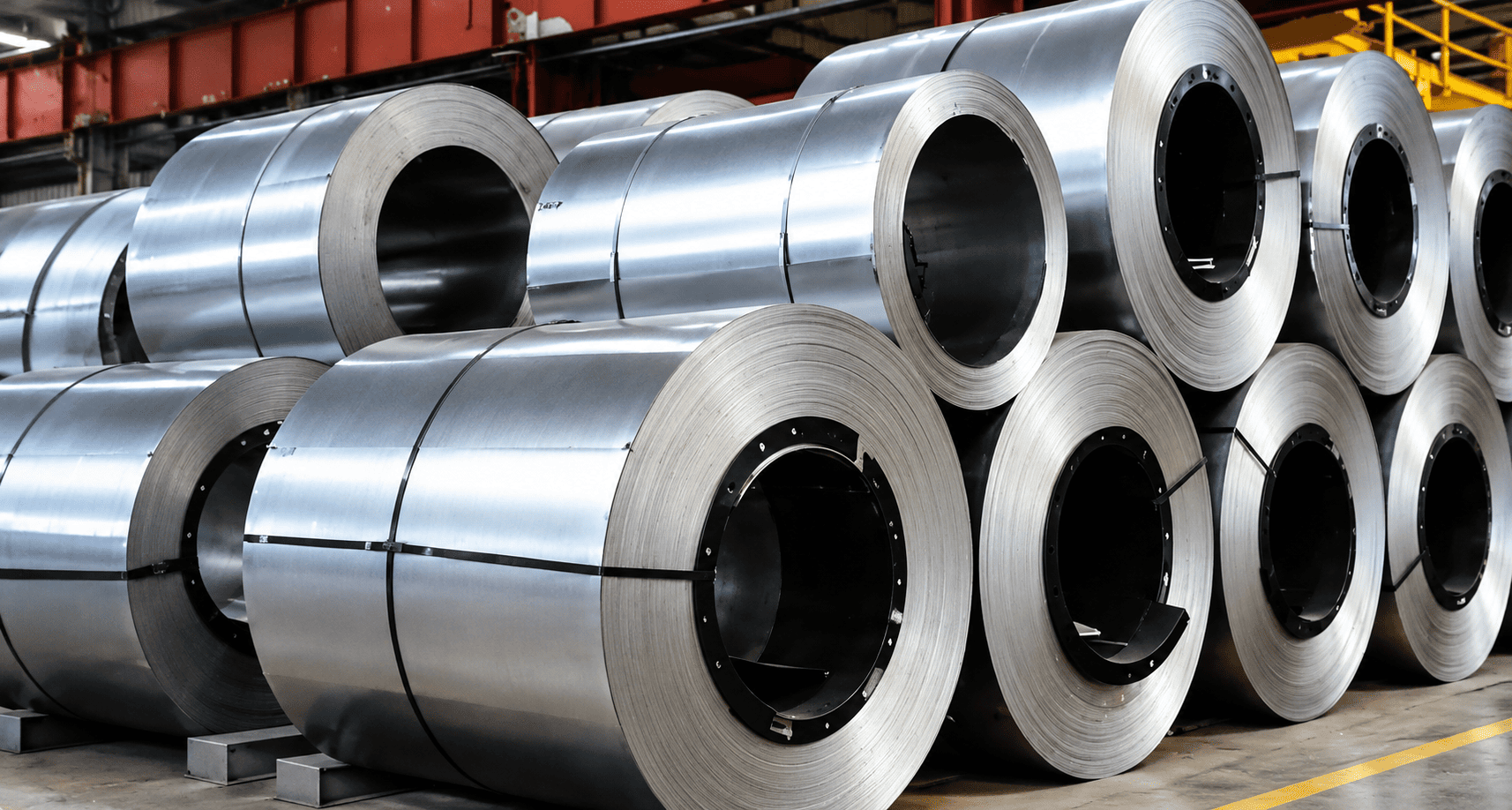
7 Reasons Stainless Steel Is Transforming Wastewater Treatment Infrastructure
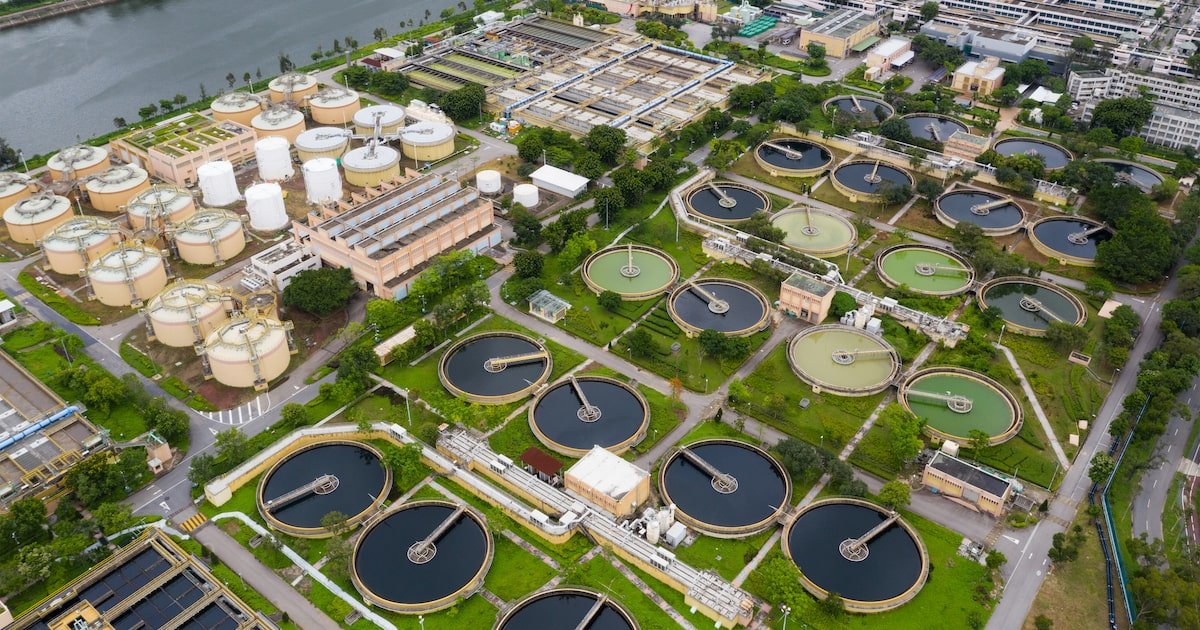
Why It Matters
Corrosion is one of the biggest challenges facing wastewater treatment facilities. Constant exposure to moisture, chemicals, and corrosive gases can significantly reduce the lifespan of traditional materials. As operators focus on long-term performance and lower maintenance costs, stainless steel is emerging as the preferred choice.
1. Superior Corrosion Resistance
Stainless steel naturally forms a protective layer that helps resist rust and corrosion in harsh wastewater environments.
2. Longer Service Life
Its durability allows tanks, pipes, and structural components to last significantly longer than conventional materials.
3. Performs Well Around Chemicals
Grades such as 316 stainless steel offer excellent resistance to treatment chemicals and chloride-rich environments.
4. Lower Maintenance Costs
Reduced corrosion means fewer repairs, less downtime, and lower maintenance expenses over the asset’s lifetime.
5. Supports Sustainability Goals
Stainless steel is 100% recyclable and contributes to more sustainable infrastructure development.
6. Better Lifecycle Value
Although the initial investment may be higher, lower maintenance and replacement costs deliver better long-term economics.
7. Future-Ready Infrastructure
As wastewater treatment systems become more advanced, stainless steel provides the reliability needed for decades of operation.
Conclusion
For wastewater treatment facilities, material selection directly impacts performance, maintenance, and operating costs. With its corrosion resistance, durability, and sustainability benefits, stainless steel is proving to be a smart investment for the next generation of water infrastructure.