Savitri Jindal: The Silent Strength Behind India’s Industrial and Stainless Steel Legacy
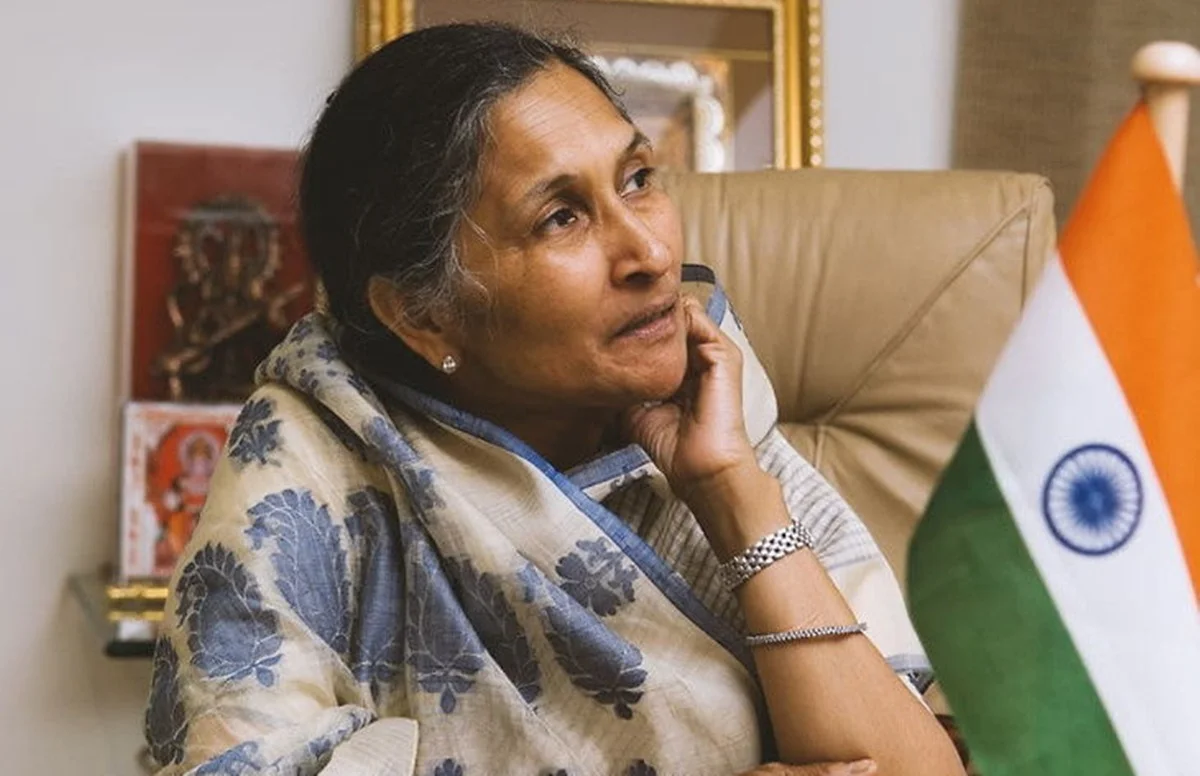
India’s industrial growth story has been shaped by visionary entrepreneurs, resilient leadership, and families that transformed manufacturing into a national strength. Among those influential figures, Savitri Jindal stands as a symbol of continuity, stability, and silent leadership behind one of India’s most respected industrial groups.
Following the passing of industrialist Om Prakash Jindal in 2005, Savitri Jindal stepped into a crucial leadership role at a time when the OP Jindal Group was expanding across steel, power, infrastructure, and energy sectors. While she maintained a low public profile, her presence became a stabilising force that helped preserve the legacy, unity, and long-term vision of the group.
Today, the OP Jindal Group continues to play a significant role in India’s industrial ecosystem, including the growth of the stainless steel sector through Jindal Stainless, one of the country’s leading stainless steel manufacturers. Under the broader continuity of the Jindal family’s leadership, the company has expanded its presence across architecture, mobility, railways, kitchenware, process industries, infrastructure, and sustainable manufacturing solutions.
Savitri Jindal’s contribution lies not in technical operations or day-to-day manufacturing leadership, but in ensuring that the industrial momentum built by O.P. Jindal continued to move forward with strength and confidence. Her stewardship helped maintain the foundation upon which multiple Jindal companies continued to grow and evolve in highly competitive global markets.
Over the years, India’s stainless steel industry has emerged as a critical pillar supporting modern infrastructure, clean energy, transportation, food processing, construction, and urban development. Companies within the Jindal ecosystem have contributed significantly to this transformation by promoting corrosion-resistant materials, durable applications, and sustainable manufacturing practices.
The rise of stainless steel in India reflects a larger industrial shift towards long-lasting, recyclable, and high-performance materials. From metro rail projects and airports to smart kitchens and industrial processing plants, stainless steel has become deeply integrated into everyday life and national development. Industrial groups such as the Jindal Group have played an important role in supporting this transition through manufacturing capacity expansion, product innovation, and global competitiveness.
Beyond business, Savitri Jindal has also been associated with social development and public service. Her journey reflects a rare combination of resilience and responsibility, balancing industrial legacy with community engagement and social welfare initiatives.
In many ways, her story represents the quieter side of industrial leadership — one that does not always seek the spotlight, yet continues to influence the direction of major industries through stability, continuity, and long-term vision.
As India continues strengthening its position as a global manufacturing and stainless steel hub, the contribution of industrial families and legacy-driven leadership remains an important part of the country’s growth narrative. Savitri Jindal’s role in preserving and supporting one of India’s major industrial ecosystems continues to make her a respected figure in the broader story of Indian industry.