Inside Jineshwar Tubes stainless steel network in India
In a world where industries rely on materials that must endure heat, pressure, and corrosion for long periods, stainless steel has become a key part of modern engineering. How do large industrial projects manage these demanding conditions today?
In 2026, firms like Jineshwar Tubes India are part of the wider supply chain, providing stainless steel products used in infrastructure and industrial systems across different regions.
Stainless steel in modern industry
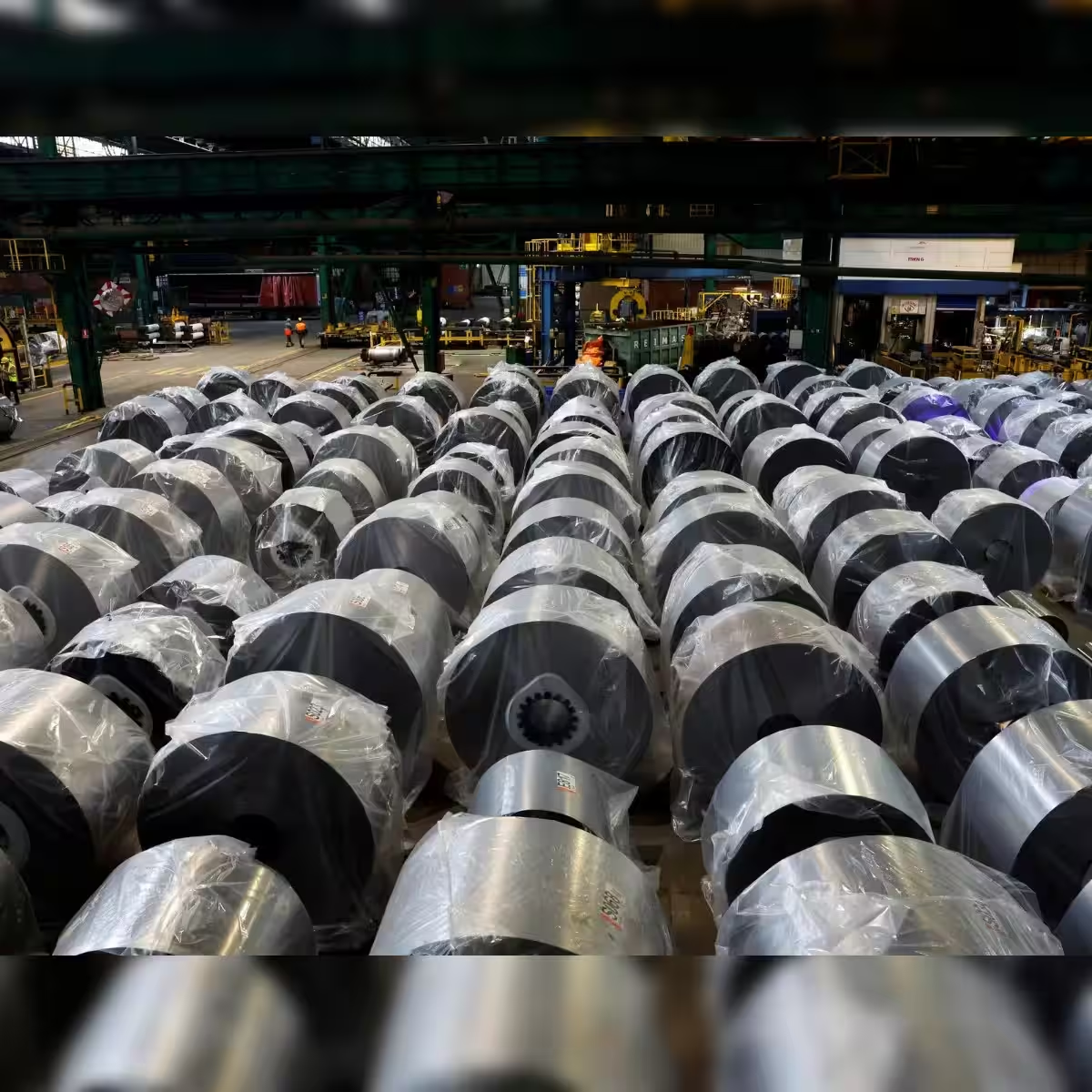
By 2026, industrial needs are increasingly centred on durability, consistency, and precision. Stainless steel is no longer treated only as a basic raw material. It is now used as part of engineered systems where safety, stability, and long service life are required.
Jineshwar Tubes India operates from Mumbai and has been involved in stainless steel and nickel alloy supply for several decades. Its materials are used in sectors such as oil and gas, aerospace, chemical processing, and infrastructure, where performance under stress is essential.
Rather than being viewed simply as a producer, the company is part of the wider industrial supply network that supports engineering projects requiring consistent material standards and technical compliance.
Range of stainless steel products used in industry
The company’s product range covers several forms of stainless steel used in different industrial settings.
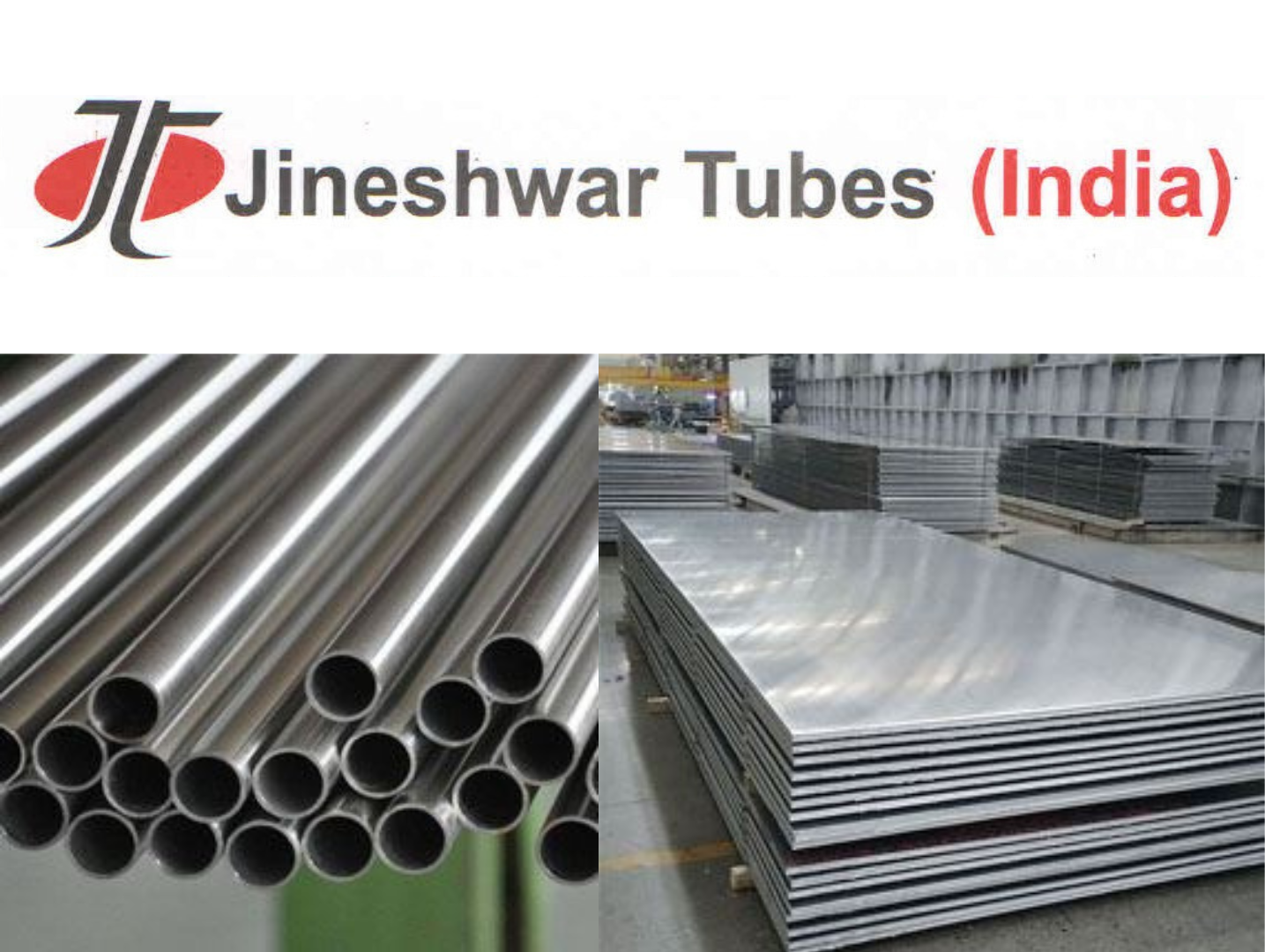
Stainless steel pipes and tubes are used in systems where fluids and gases need to be transported safely under pressure. These are applied in pipelines, heat exchangers, and processing systems. They are manufactured in both seamless and welded forms and are produced in line with international standards such as ASTM and ISO, which are commonly required in regulated industries.
Stainless steel round bars and bright bars are used in machining and automotive manufacturing. These products require accuracy in size and surface finish, achieved through processes such as drawing and peeling. They are typically used in components that demand repeatable precision in production.
Stainless steel flats and plates are used in construction, support structures, and industrial fabrication. In addition, Monel plates, a nickel-copper alloy known for resisting seawater and chemical exposure, are also included in the product range and are used in marine and chemical environments where ordinary steel may not perform well.
Manufacturing process and quality control
To meet current industrial expectations, Jineshwar Tubes India operates with production systems designed around time-sensitive supply requirements common in modern supply chains.
The company works with several stainless steel grades, including ferritic, martensitic, austenitic, and super duplex steels. These materials are selected depending on conditions such as temperature, pressure, and exposure to corrosion.
Quality control is carried out through methods such as ultrasonic testing, hydro testing, and spectroscopic analysis. These checks are used to confirm material properties and detect defects before dispatch. This type of testing is standard in industries where material failure can have serious consequences.
The company’s products are supplied within India to industrial centres such as Bengaluru, Hyderabad, and New Delhi, and also exported to international markets including the Middle East, Europe, and Latin America, where they are used in refineries and industrial facilities.
Industry changes and future direction
The stainless steel sector in 2026 is being influenced by tighter environmental rules and sustainability targets. Regulations linked to carbon emissions are encouraging manufacturers to improve efficiency and reduce material waste.
In response to these changes, Jineshwar Tubes India, like many others in the sector, is working with longer-life alloys and focusing on reducing resource use. Materials such as Monel, alongside stainless steel, are increasingly used where durability can reduce replacement cycles.
At the same time, traceability in materials is becoming more important. Buyers now expect detailed information on chemical composition and origin, particularly for products like stainless steel bars. Certification documents and material test reports are now a standard requirement in many projects.
Overall, stainless steel continues to remain central to industrial development, not just as a material, but as part of broader efforts to improve reliability, efficiency, and environmental performance in engineering systems.