India’s stainless steel imports climb on slab inflows
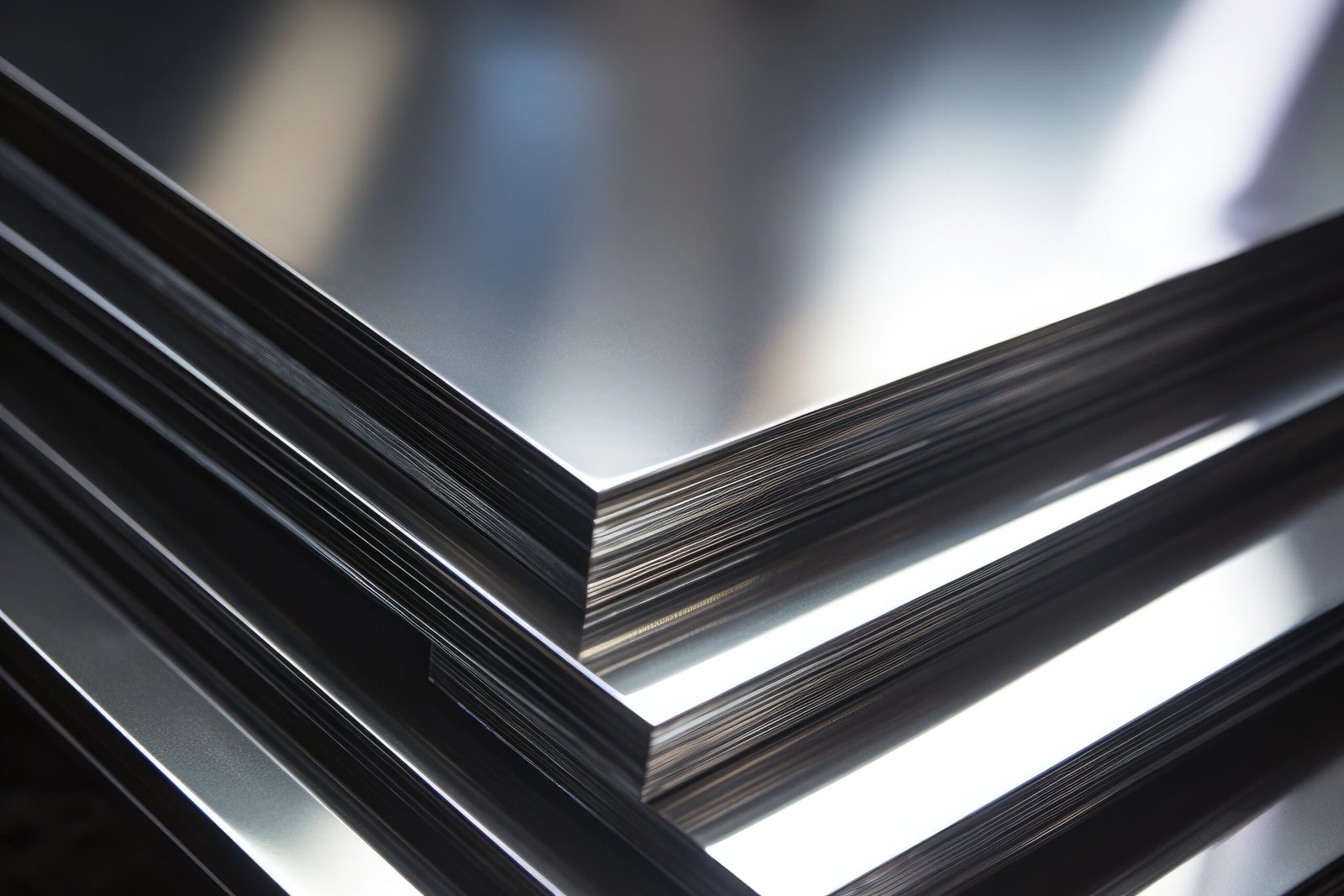
In 2025, India’s imports of semi-finished stainless steel increased dramatically. Volumes increased by 22 per cent to 665,000 tonnes, driven mainly by a surge in slab shipments. While billet imports fell steeply, slabs filled the gap, raising a key question for the market: are mills permanently changing how they source raw material?
Billet imports fall as domestic supply improves
India imported 46,000 tonnes of stainless steel billets in calendar year 2025, marking a steep 64 per cent drop from 129,000 tonnes a year earlier, according to market data. Indonesia continued to be the largest supplier, though its volumes declined significantly compared with the previous year.
Smaller quantities were imported from Sweden, totalling around 8,000 tonnes, while Vietnam supplied about 500 tonnes. Market sources said the fall in billet imports reflected better availability from domestic producers, along with more cautious buying by mills and changing global trade conditions.
Prices also played a role. Indicative prices for 304L stainless steel billet were reported in the range of $1,500 to $1,530 per tonne on a CFR basis, while domestic billet prices were around Rs 1,40,000 per tonne ex-Mumbai. Industry participants noted that the narrowing price gap reduced the need for overseas purchases.
Slab imports surge on cost and flexibility benefits
In contrast, stainless steel slab imports climbed 48 per cent year-on-year to 642,000 tonnes in 2025. Indonesia dominated the supply mix, accounting for 581,000 tonnes, supported by competitive pricing and steady availability.
New supply streams also emerged during the year, with around 28,000 tonnes imported from Singapore and 32,000 tonnes from the UAE. According to market participants, slabs are increasingly preferred by re-rollers and integrated mills as they offer better cost optimisation and greater operational flexibility compared with billets.
Several buyers said slabs allow mills to better manage production schedules and input costs, especially in a market where demand patterns can shift quickly.
Outlook remains slab-heavy
Slab imports are expected to stay high in the near term as Indonesia continues to expand stainless steel capacity. Additional output from newer facilities is likely to keep supply ample and prices competitive. Billet imports, however, are expected to remain subdued.
Market sources believe procurement preferences appear to be undergoing a structural shift, with mills increasingly aligning their sourcing strategies around slabs rather than billets, even as overall stainless steel demand in India continues to grow steadily.