Stainless steel offers long-term benefits: Dr Sajeev Kumar Lohia on use of SS in urban mobility
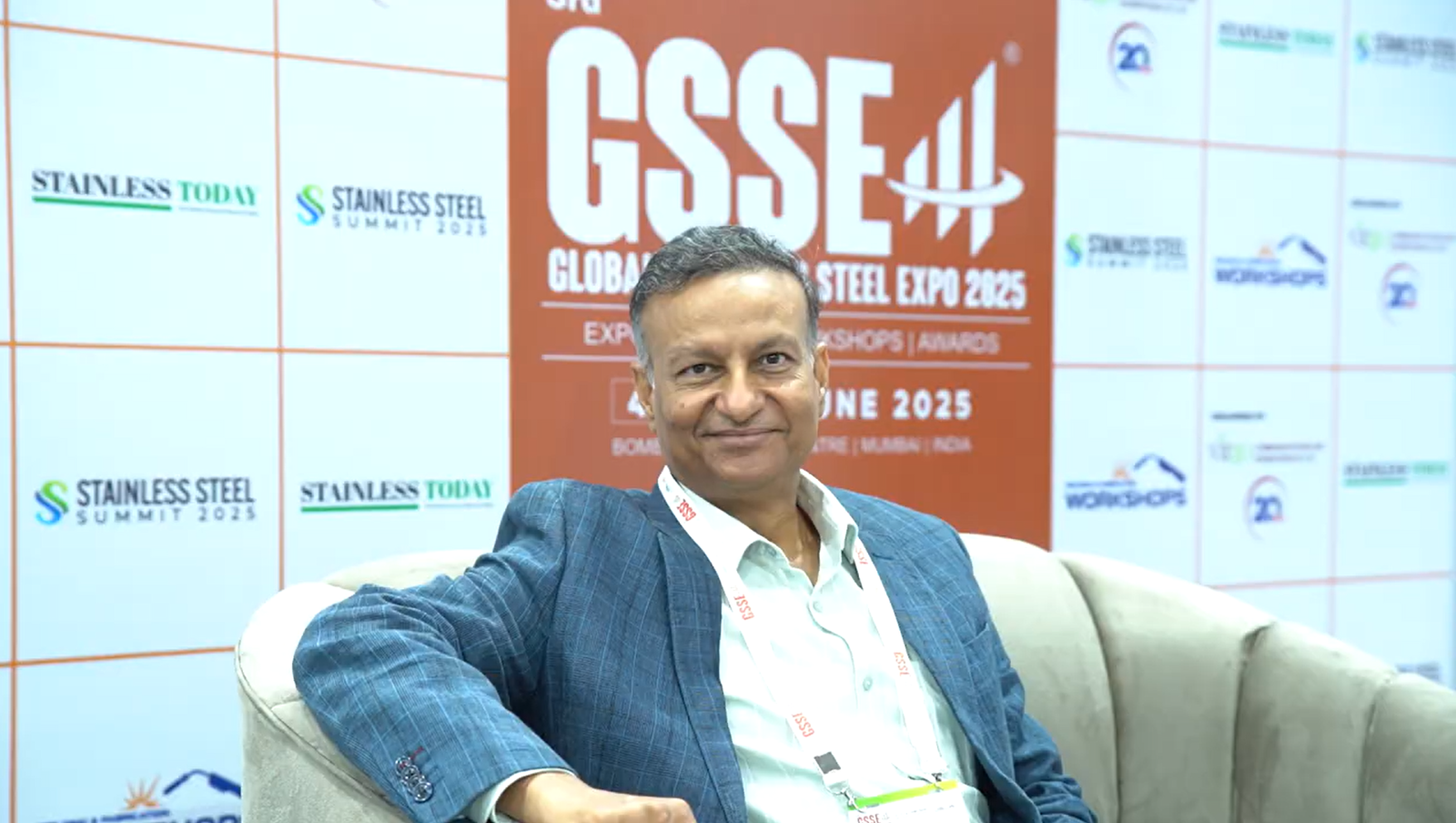
Dr Sanjeev Kumar Lohia shares the growing use of stainless steel in India’s urban mobility sector, highlighting its sustainability, life cycle benefits, and the need for greater awareness.
Stainless steel is increasingly emerging as a material of choice in the urban mobility sector, valued for its sustainability, durability, and low maintenance needs. Its applications are expanding rapidly across metro coaches, air-conditioning systems, modern infrastructure, and station redevelopment projects. However, despite its long-term advantages and lower life cycle costs, the adoption of stainless steel continues to face challenges such as high initial costs, limited production capacity, and low awareness among decision-makers.
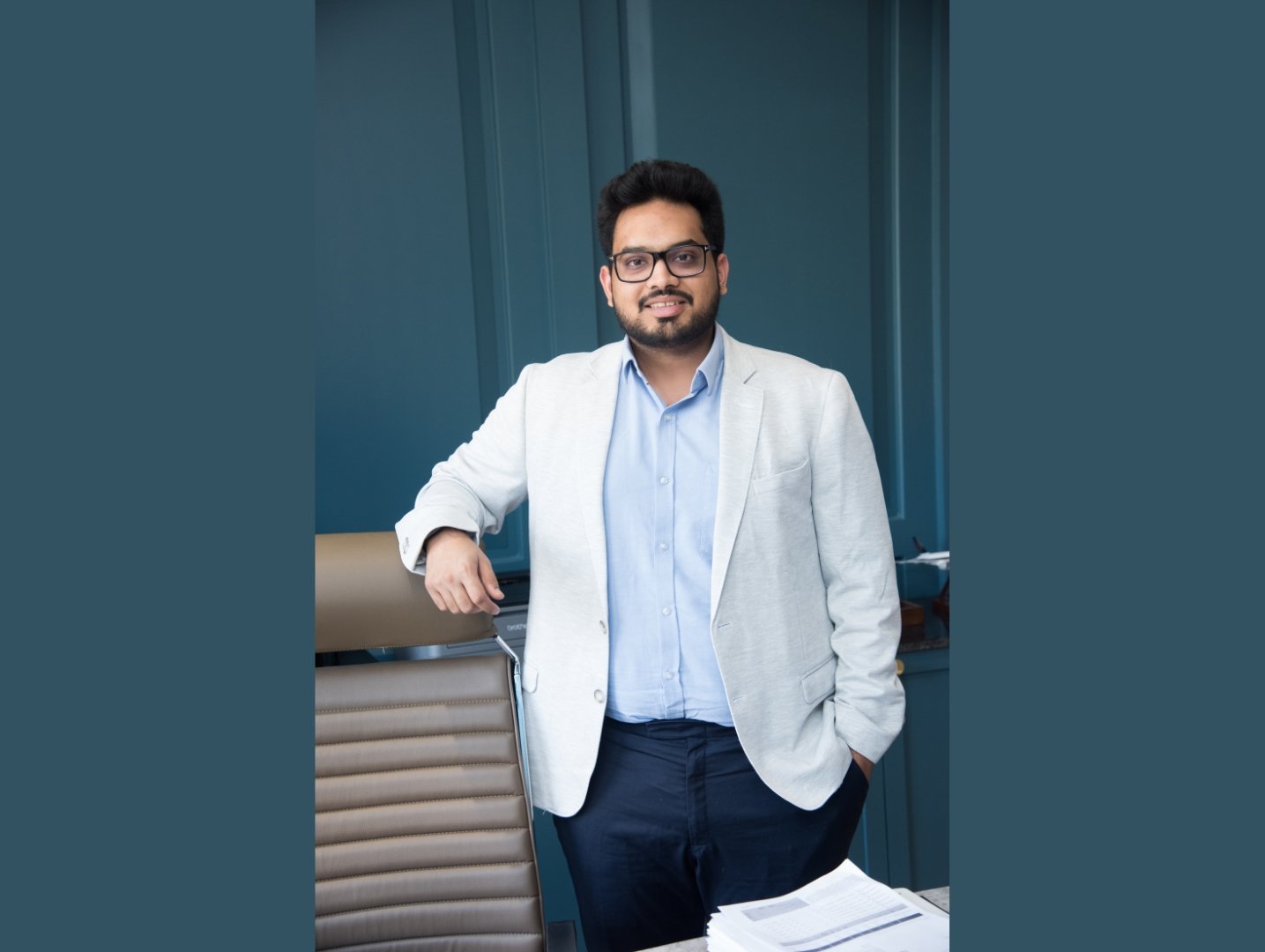
At the Global Stainless Steel Expo (GSSE) 2025, Team Stainless Today spoke with Dr Sanjeev Kumar Lohia. He has served in key roles in India’s transport sector, including as OSD and ex-officio Joint Secretary, Urban Transport, and later as the head of the Indian Railway Stations Development Corporation. In this interview, he dwells on the emerging trends, challenges, and opportunities in the use of stainless steel in urban mobility and infrastructure development.
What are the emerging trends in the use of stainless steel in the urban mobility sector?
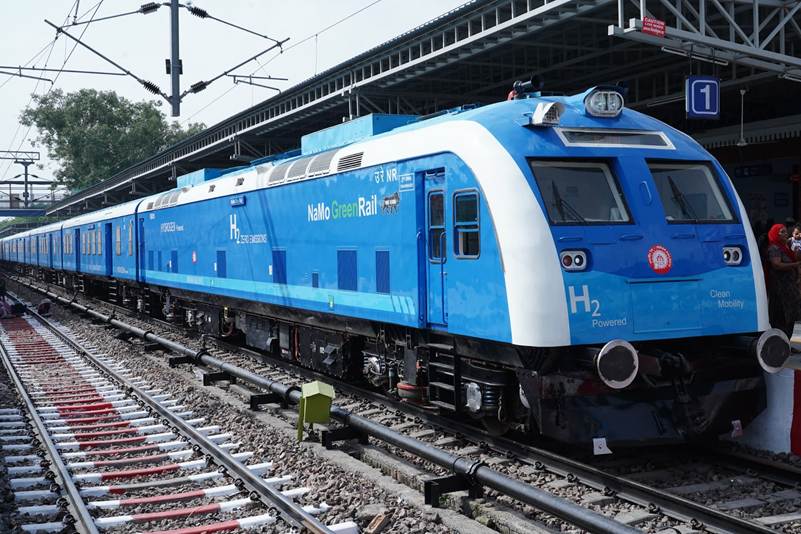
Stainless steel is a highly sustainable material. It’s increasingly being adopted wherever the life cycle cost approach is applied and where low maintenance and corrosion resistance are essential. We can see this in metro systems, most metro coaches in India are made from stainless steel. It’s also being used in air-conditioning systems and modern building construction. When I was heading the Indian Railway Stations Development Corporation, we began using stainless steel rebars for reinforcement, particularly in coastal areas.
Does the use of stainless steel have any specific cost implications?
Compared with mild steel, stainless steel does have a higher initial cost, which can be a challenge. The current production capacity in India also needs to expand to make it more affordable and encourage wider adoption. However, when stainless steel is fully considered during the design stage, it can lead to savings due to reduced reinforcement and concrete requirements, as cylindrical structures can be used. Over the long term, the life cycle cost is lower, making it a smart investment. But yes, the initial cost remains a barrier, which makes it difficult to promote stainless steel in construction at the moment.
Besides cost, what other challenges exist when it comes to using stainless steel in mobility projects?
Cost is the main issue, but awareness is another significant challenge. In urban mobility, most projects are government-led, and the government often follows past practices, previous project reports, accepted rates, and so on. Decisions are usually based on what has been done before rather than what could be done in the future. The industry needs to take the lead by conducting detailed cost analyses and demonstrating how stainless steel offers long-term benefits. This information should be shared with government bodies so that stainless steel can be recognised as a sustainable and viable construction material. Until that happens, adoption will continue to be slow.
What role can the government play in helping the stainless steel sector grow?
The private sector is always willing to take some risks, but if the government provides a clear roadmap through policies, projects, and long-term plans, the industry can align its production and investment accordingly. At present, we also face production capacity challenges. If the government suddenly decided to replace mild steel with stainless steel, we wouldn’t have enough supply to meet the demand. Therefore, the transition needs to be gradual. With the right policy direction from the government and close coordination with the industry, we can create a balanced and synergistic approach to growth.
How are expos like GSSE benefiting the industry?
An exhibition like this brings together all key stakeholders, producers, and users, creating a platform for collaboration across the entire value chain. It’s a very well-organised event. Alongside the exhibition, having a conference component allows participants to brainstorm, exchange ideas, and discuss innovation and knowledge. Such initiatives are extremely valuable for the industry’s growth and should certainly continue.