Jindal Stainless Accelerates Shift Toward Low-Carbon Stainless Steel in FY25
Jindal Stainless reported major climate gains in FY25 while strengthening its position in the stainless-steel industry. The company expanded clean-energy use, improved steelmaking efficiency, and deepened its shift toward low-carbon stainless steel. These actions underline its ambition to supply greener grades for global and domestic markets.
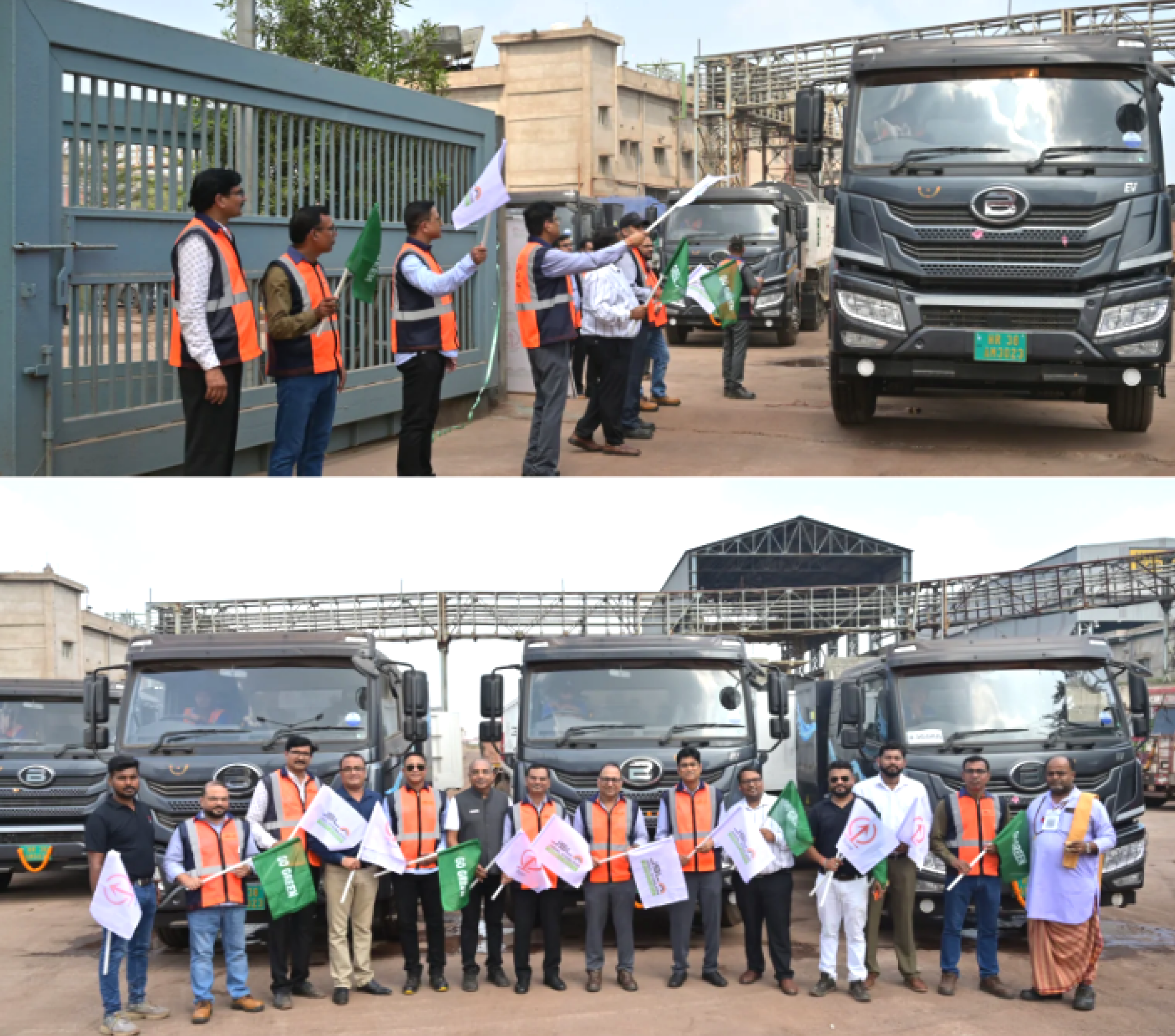
The company avoided 3,18,248 tonnes of CO₂e through process upgrades and renewable projects. It also used 3,63,297 MWh of renewable energy across its stainless-steel facilities. Moreover, it installed new rooftop and floating solar units that cut dependence on fossil-based power. These steps helped reduce Scope 2 emissions from steel production.
Jindal Stainless increased scrap utilisation to 72.11 per cent in FY25, and this strengthened circular stainless-steel production. Scrap-based melting lowers emissions, and it also reduces demand for virgin ores. Because stainless steel supports long service life and recyclability, the company aims to expand circular inputs each year.
The company also commissioned India’s first green hydrogen plant in the stainless-steel sector. The Hisar unit now uses green hydrogen in annealing processes that support the production of speciality stainless-steel grades. This shift cuts 2,800 tonnes of CO₂e each year and aligns the company with global trends in green steel.
Jindal Stainless continued to link its steel strategy with global disclosure standards. It advanced TCFD and IFRS S2 reporting and progressed on science-based targets under SBTi. Consequently, the company plans to halve carbon intensity in stainless-steel production by FY35 and reach Net Zero by 2050.
Furthermore, the company assessed physical and transition risks for stainless-steel operations in Jajpur, Hisar, and Sukinda. These assessments now guide furnace upgrades, energy-efficiency plans, and raw-material strategies. The ESG Committee also reviewed stainless-steel sustainability performance every quarter.
Jindal Stainless plans to expand its decarbonisation roadmap in FY26. It aims to scale renewable power, grow low-carbon alloys, and improve product-level carbon disclosures. The company said these steps will strengthen demand for low-emission stainless steel in India and overseas.