Stainless steel adoption is an irreversible process: JSL’s Director Vijay Sharma on India’s SS growth
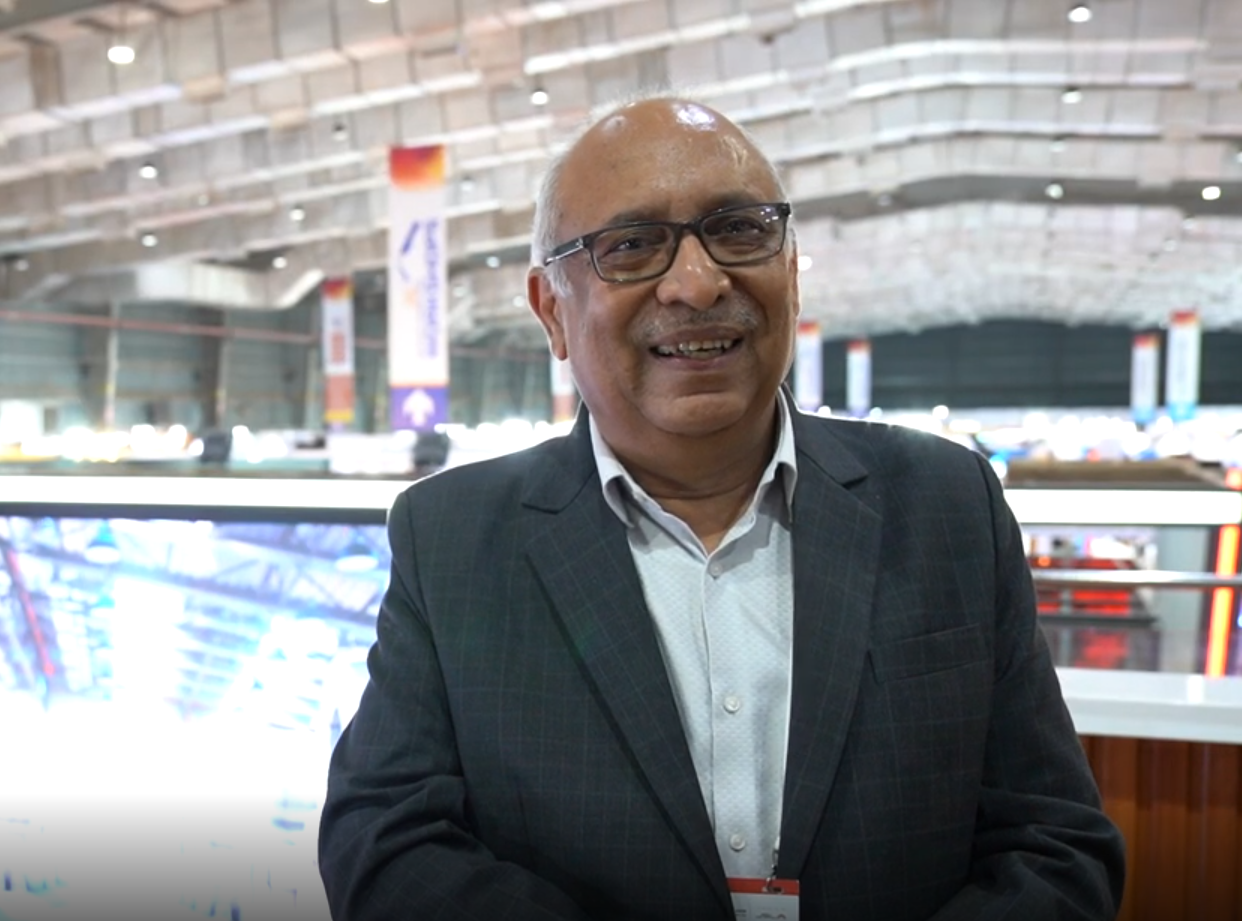
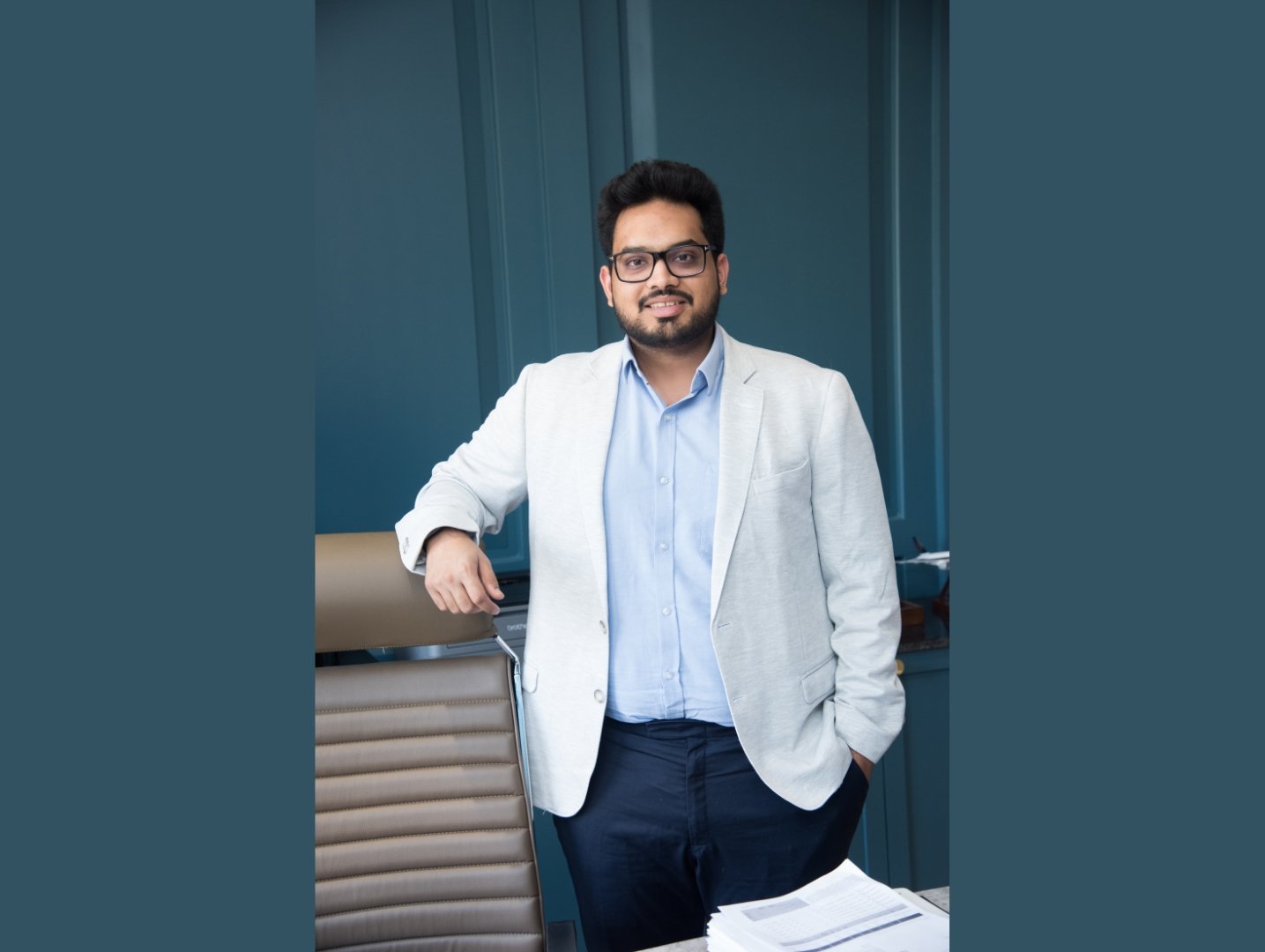
Vijay Sharma, Director – Corporate Affairs, Jindal Stainless, shares his views on the future of India’s stainless steel industry, touching on sustainability, digitalisation, policy needs and the challenges shaping the sector.
India’s stainless steel industry is going through an important phase of change. As the country moves towards sustainability and long term, climate-friendly solutions, stainless steel is gaining more recognition for its recyclability, durability and lower environmental impact. At the same time, companies in the sector are embracing digital tools and automation to make business easier and more efficient for everyone involved.
Team Stainless Today spoke with Vijay Sharma, Corporate Affairs Director at Jindal Stainless, during the Global Stainless Steel Expo (GSSE) 2025. With 25 years of experience in the stainless steel industry, he also serves as a valued member of our Advisory Board. In this exclusive conversation, he shares insights on sustainability, technology, competitiveness and the wider ecosystem that supports stainless steel in India.
How do you see the trends in stainless steel manufacturing?
During various conferences, you would have noticed the growing recognition of stainless steel, especially in the context of sustainability. The shift towards stainless steel is an irreversible process. Its adoption is happening rapidly. However, as the market leader, we carry a larger responsibility to push this transition forward and ensure the ecosystem around stainless steel becomes more capable and supportive.
At Jindal Stainless, and across the fraternity, we believe there are two major focus areas: category recognition and ecosystem development. When I say category recognition, I mean addressing the myths and misconceptions around stainless steel versus steel. As for the ecosystem, the product we manufacture is not the same product the consumer uses or experiences, whether it is kitchenware, industrial equipment, automobiles, malls, or metro infrastructure. There is a large chain between us and the end user. We need to strengthen this through awareness in academia, upskilling, and collective efforts so stainless steel receives the recognition it truly deserves. Our job now is to accelerate this.
India is gearing up for its net zero mission. What is the contribution of the stainless steel industry towards helping India achieve this?
The stainless steel manufacturing process is largely scrap-based, unlike steel, which is blast furnace-based. Because of recyclability and longer life cycles, stainless steel already has a stronger contribution to carbon neutrality compared to other metals. Additionally, companies like ours are investing heavily in renewable energy. We are committed to becoming carbon neutral by 2050, and we are meeting our interim targets successfully. We are confident of achieving our long term vision.
Technology and automation are becoming central to the industry. How do you see their role in improving the sector?
I am a big advocate of technology, digitalisation, AI, blockchain, and similar advancements. You might be surprised to know that our Chief Digital and Information Officer were also present. Usually such profiles do not participate in events like these, but we believe digitalisation is not only about operational automation. It is about making business easier for all stakeholders, from vendors to employees to customers.
For us, digitalisation is like breathing. It is essential. We are investing heavily in it. In fact, in a B2B metal industry, our customers can place orders themselves, similar to how they would on Amazon or Flipkart. That is the level of ease and delight we aim to provide.
With so much happening within the stainless steel sector, how can allied industries contribute to its growth, and how can the stainless steel industry help them in return?
I would relate this to sustainability. People often limit the meaning of sustainability to carbon neutrality, but if you look at the 17 UN SDGs or India’s six national economic goals, sustainability is much broader. To me, it stands on three pillars: people, planet, and prosperity.
People-friendly solutions involve aesthetics, fire resistance, and safety. Planet-friendly solutions focus on circularity, carbon reduction, and long life. Prosperity refers to life cycle costing, resale value, and overall economic upliftment.
Between us and the user lies a vast ecosystem, including processors, OEMs, and distributors, many of whom are MSMEs. If this sector grows, MSMEs grow, employment grows, and the overall national economy benefits. The relationship works both ways.
What are the major challenges the stainless steel industry faces today, and how can they be overcome?
The first challenge is category recognition, ensuring stainless steel is understood and adopted widely. I am grateful to platforms like this one, where we can work together to improve visibility.
The second major challenge is ecosystem development. Other challenges, such as raw material security, fall under this umbrella. A significant issue began in 2018 when the USA imposed Section 232, followed by similar protectionist measures globally to level the playing field due to China’s excess capacities and non-WTO compliant subsidies.
In India, we do not yet have a level playing field for stainless steel. Competitiveness is affected by two key factors: the cost of logistics, which the government recognises, as seen from the new logistics policy, and the cost of capital, which is improving but still high. Despite this, operationally, Indian manufacturers are very competitive. We export to Europe and America for high-end applications, which speaks for itself. But for some segments, because of the China factor, the domestic industry requires temporary support and equality.
What kind of support can the government provide to help the industry overcome these challenges?
The government’s intention to support the domestic industry is clear, and we appreciate the growing focus on stainless steel. I have two suggestions. First, there should be a dedicated National Stainless Steel Policy, an NSSP, to highlight the opportunities and challenges within this sector.
Second, I want to emphasise stainless steel’s anti-corrosion property. Corrosion costs the economy around four per cent. To put that in perspective, globally that equals about a five trillion dollar economy. In India, it is roughly 12 lakh crores, similar to the FY25 infrastructure budget and equal to around six to seven months of GST collection. That is the scale of the issue.
We are working on a policy to manage corrosion control. I am not saying everything must be stainless steel, but materials should be chosen based on sustainability, life cycle costing, and expected lifespan. For infrastructure projects in particular, life cycle costing should be made mandatory.
How has your experience been at GSSE 2025?
Every year I leave with more confidence and excitement. The level of participation keeps improving. Last year, I said this event is no less than international conferences such as Wire and Tube or MASSTC. The enthusiasm this year is fantastic. The focus on end-use applications and the diversity of panellists, including academia, is excellent. I am hopeful that this platform will continue to grow and create a chain reaction of progress. I am very happy with this year’s edition.