India’s Stainless Steel Market Expands as Infrastructure Projects Accelerate
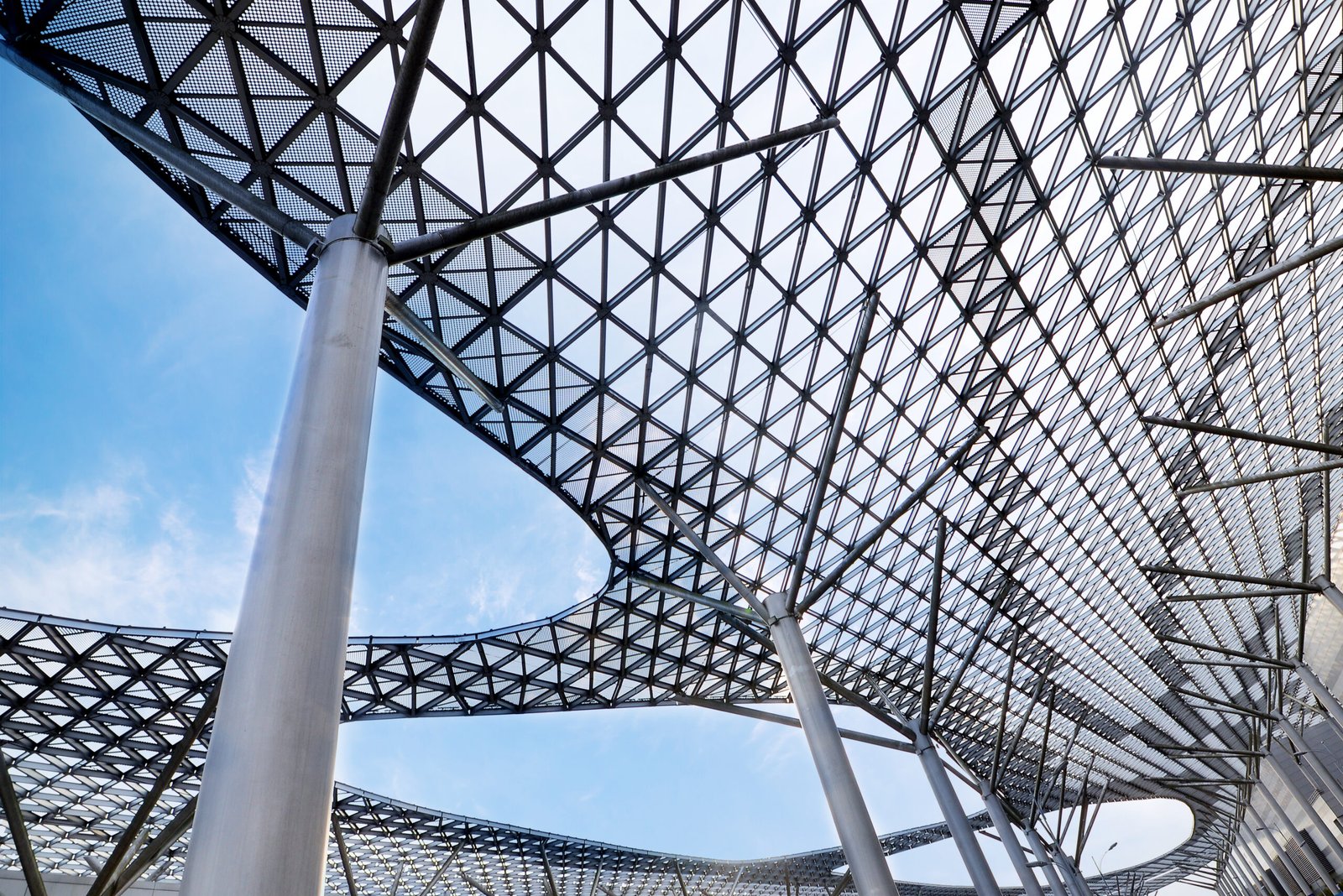
structural glass ceiling
India’s stainless steel market continues to grow strongly as new infrastructure projects, urban development and industrial activity increase across the country. IMARC Group reports that the market reached US $5,350.7 million in 2024, and it expects the value to touch US $11,021.3 million by 2033. The market may grow at 8.36 per cent from 2025 to 2033.
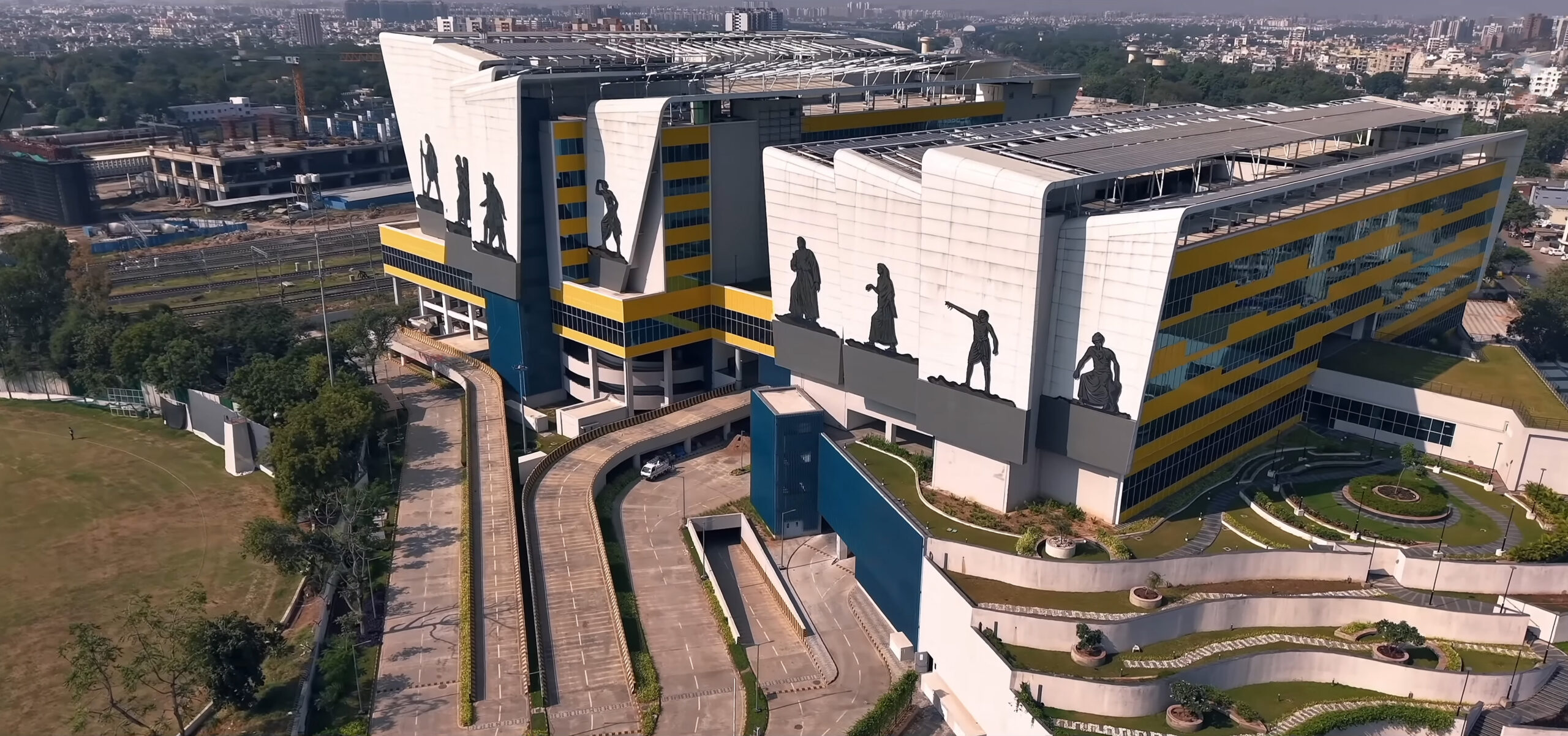
The Smart Cities Mission boosts demand as the government allocates over Rs 1,64,695 crore for 8,063 urban projects. Moreover, the National Industrial Corridor Development Programme clears 12 new industrial smart cities with an investment of Rs 2,86,020 million. These projects may attract Rs 15,20,000 million in fresh investments and create one million direct jobs.
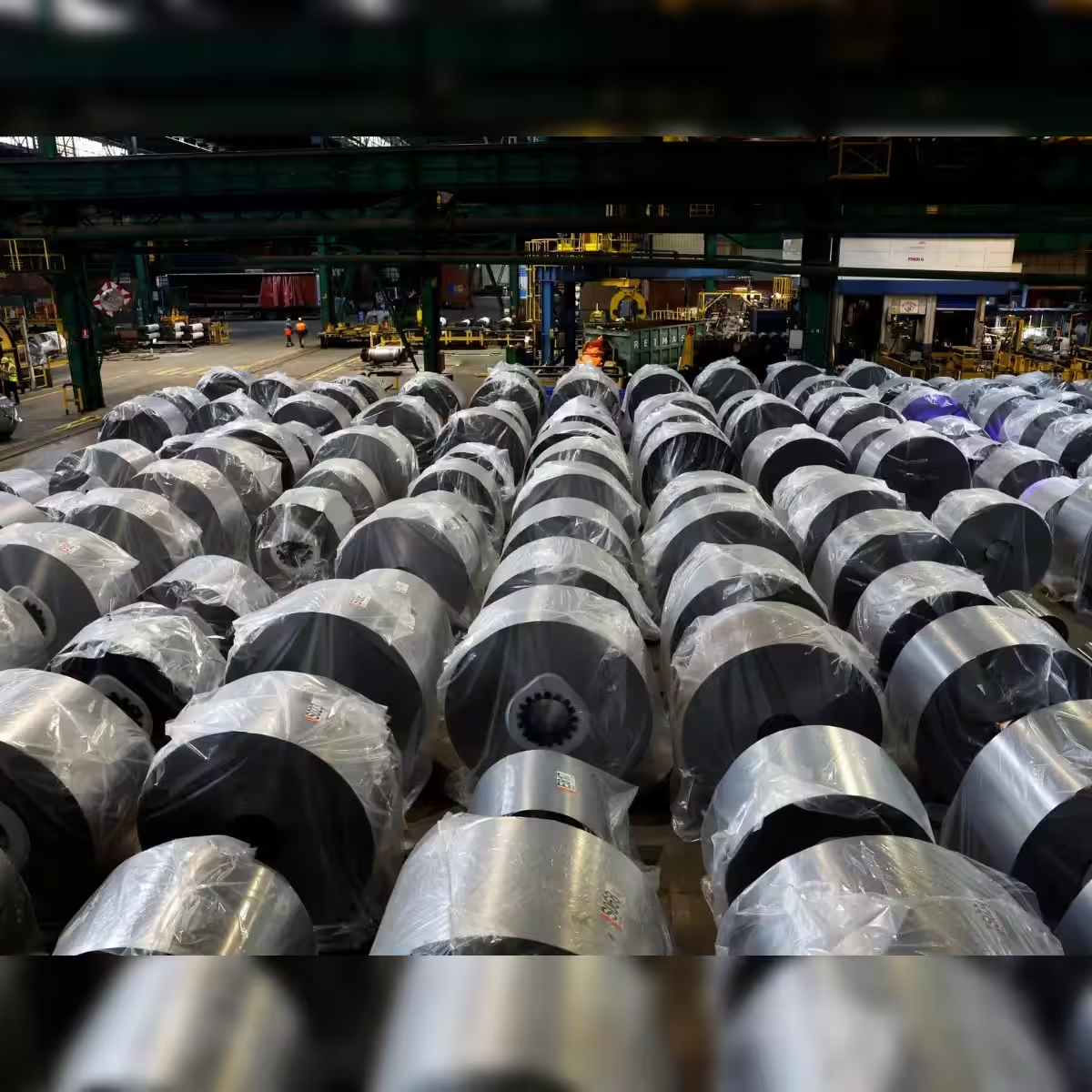
The automotive sector also increases stainless steel use as companies push for lighter and durable materials. Automakers use more stainless steel in exhaust systems, fuel tanks and structural parts. Indian Railways adds further momentum as it plans to produce 10,000 stainless steel coaches each year. It also upgrades foot-over and rail-over bridges with stainless steel.
Meanwhile, renewable energy developers use more stainless steel in solar panel frames and wind turbines. The hospitality and retail sectors follow this trend as they install stainless steel in kitchens, interiors and storage units. Producers also improve alloy design and expand automation to enhance product quality. As a result, manufacturers meet rising demand in food processing and healthcare.
India also widens its market scope as industrial modernisation speeds up. The Make in India programme encourages domestic production and lowers import dependence. Per capita stainless steel use remains around 2.7 kg, while the global average stands at six kg. This gap shows strong room for growth.
Construction remains the biggest consumer as urbanisation spreads to Tier-2 and Tier-3 cities. PMAY and the AMRUT scheme add pace to housing and civic projects. The Centre also plans an Urban Infrastructure Development Fund of Rs 12,217.8 million each year. Major transport projects such as the Delhi-Meerut fast transit corridor, funded with Rs 28,314.8 million, also lift demand.
The market now shifts towards higher-grade stainless steel. The 300 series hold 72.7 per cent of the volume share, and ferritic grades grow steadily due to their zero-nickel nature. The Indian Stainless Steel Development Association targets a capacity of 9.3–9.5 million tonnes by 2030 and 12.5-12.7 million tonnes by 2040.
Sustainability trends also shape the industry as stainless steel’s recyclability supports India’s circular economy goals. Producers invest in green technologies such as hydrogen-based DRI and electric arc furnaces. India aims to become a major responsible steel producer as it moves towards its 2047 development vision.
Stainless steel now plays an important role across defence, space, healthcare and energy. The rising demand reflects India’s broader economic ambitions as the country accelerates industrial growth and infrastructure planning.