India’s Stainless Steel Market Stays Sluggish Despite BIS Import Relaxation
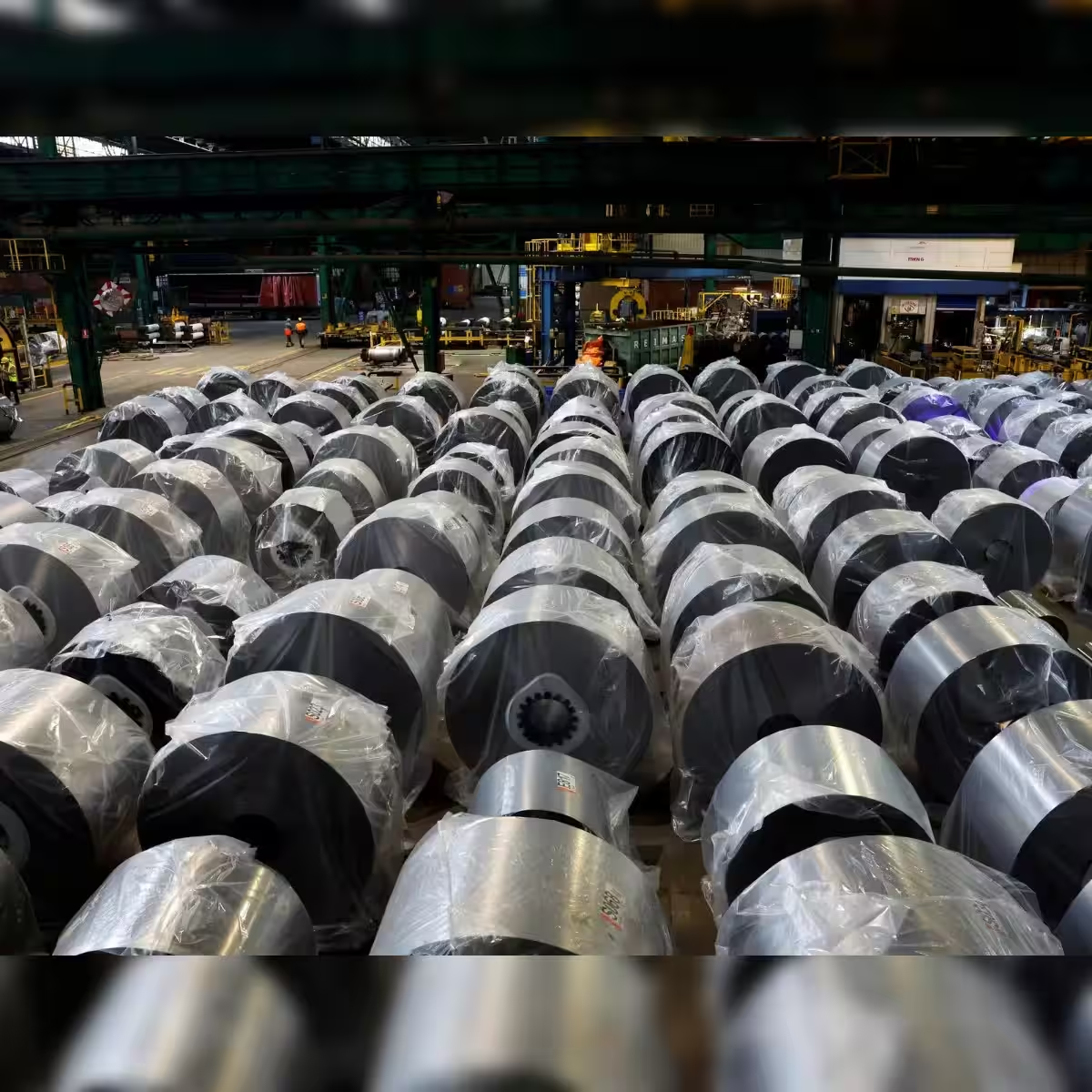
Large steel factory warehouse
India’s stainless steel market remains sluggish even after imports resumed following the Bureau of Indian Standards (BIS) relaxation. Domestic demand for stainless steel products has weakened, and market sentiment stays subdued. Moreover, import flows restarted quickly once the regulatory relief took effect, signalling a shift in trade activity.
The government relaxed certification requirements for certain stainless steel grades, allowing imports of non-BIS-certified products until 31 December 2025. Consequently, import volumes showed early signs of picking up. However, despite the influx, the domestic market did not rebound as expected. Market watchers say that while supply-side issues eased, consumption growth failed to recover in key user industries such as construction, consumer goods and automotive.
Industry participants point out that although supply constraints eased due to the import relief, buyers remained cautious. They held off fresh orders because of tepid industrial activity and subdued end-user consumption. In addition, inventory levels stayed elevated at many smaller mills and service centres. Therefore, price momentum failed to pick up and margins remained under pressure for both traders and producers.
Domestic stainless steel producers also voiced serious concerns. They argue the import relaxation creates an uneven playing field because local mills must continue to meet BIS norms while importers face fewer requirements. As a result, imported material sometimes sells at lower prices, making it difficult for domestic firms to compete. They warn that repeated relaxations could discourage investments in domestic capacity and technology upgrades.
On the policy front, the Ministry of Steel indicated the temporary easing aimed to avert a supply crunch for downstream users. Officials said the decision supports industries dependent on steady raw material availability. Nonetheless, manufacturers say the long-term stability of the market demands consistent and transparent regulatory frameworks, not ad-hoc reliefs.
In summary, India’s stainless steel sector faces a paradox: import bottlenecks eased, yet the market remains lethargic. Until demand strengthens, infrastructure projects accelerate and policy clarity returns, domestic producers may continue to struggle in a competitive environment shaped by imported volume and muted consumption.