India’s Stainless Steel Scrap Market Remains Steady Amid Currency Swings
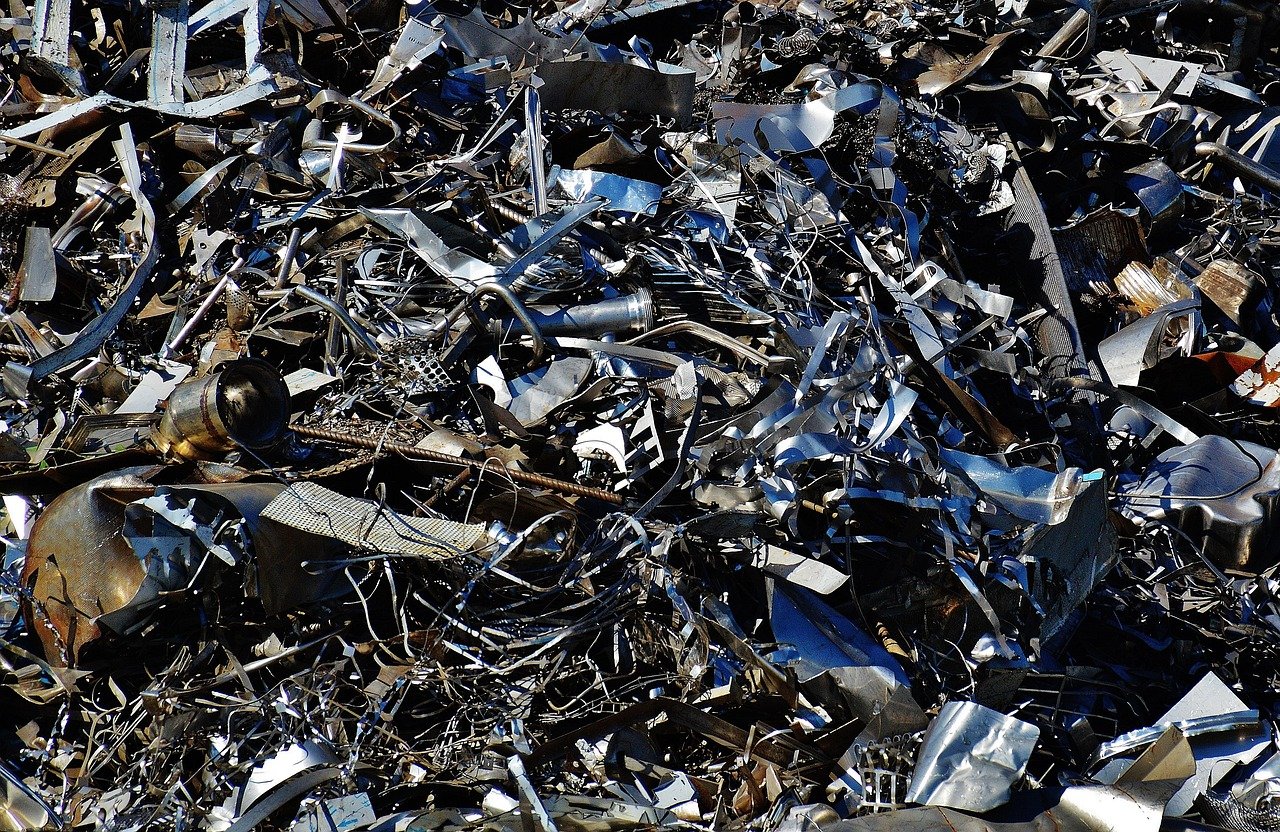
India’s domestic and imported stainless steel scrap market stayed steady this week. Currency swings and limited trading shaped the overall mood.
BigMint assessed domestic 304-grade scrap at Rs 114,000 per tonne ex-Delhi, unchanged week-on-week. At the same time, imported 304-grade scrap from nearshore origins settled at US $1,290 per tonne CFR Mundra, showing a marginal rise of US $10 per tonne.
Traders said moderate buying held the market in balance. Yet they also expect firmer prices if the US dollar strengthens further. Another market source noted that mismatches between bids and offers reduced deals. In addition, secondary buyers restricted activity and stuck to need-based purchases. A buyer explained that last week saw more active bookings. However, this week remained calm, with balanced scrap availability meeting demand without excess pressure.
On the global front, stainless steel 304 scrap prices stood at US $1,180-1,200 per tonne CIF Rotterdam. Prices came to US $1,215-1,235 per tonne CIF Japan and US $1,280-1,325 per tonne CIF South Korea. In Taiwan, prices ranged between US $1,215 and US $1,280 per tonne.
BigMint also shared assessments for other grades. Nearshore-origin SS 316 scrap (loose) stayed flat at US $2,500 per tonne. Nearshore-origin SS 201 scrap (loose) also remained steady at US $660 per tonne. Meanwhile, nearshore-origin SS 430 scrap (loose) climbed US $10 to US $600 per tonne. In the Delhi market, SS 316 scrap gained Rs 1,000 to Rs 217,000 per tonne. SS utensil scrap remained unchanged at Rs 59,000 per tonne.
Nickel prices on the London Metal Exchange stayed rangebound. The three-month contract stood at US $15,279 per tonne, compared with US $15,272 last week. LME-registered nickel stocks increased one per cent to 230,586 tonnes from 228,450 tonnes.
Looking ahead, market participants expect firm scrap prices. They see support from a stronger US dollar and likely festive-season demand.