Why SS is a ‘Green Wonder:’ Insights from corrosion expert GH Thanki

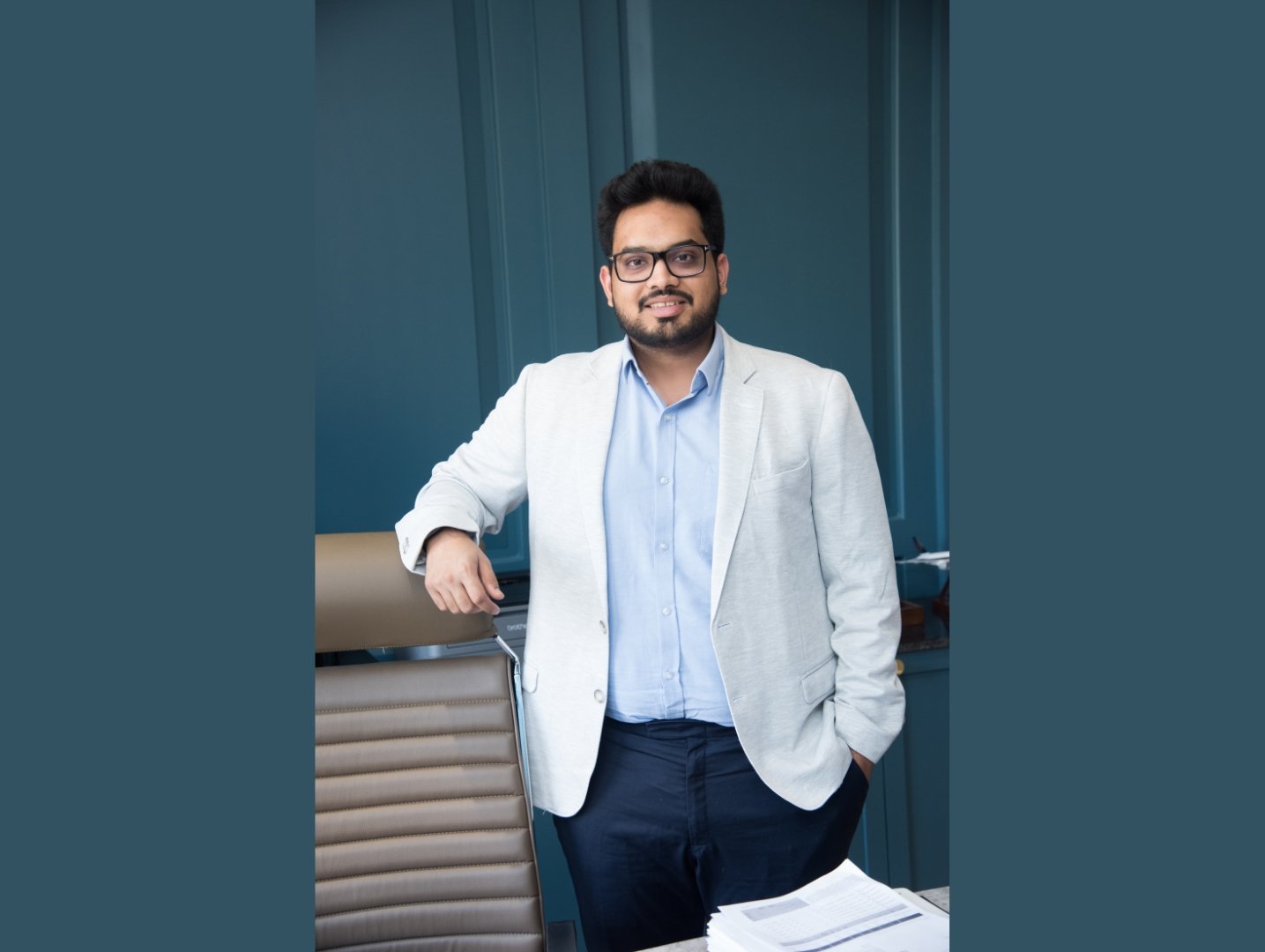
GH Thanki corrosion expert
At GSSE 2025, corrosion expert GH Thanki called stainless steel a ‘green wonder’ urging greater collaboration between academia and industry to tackle corrosion with real-world solutions.
A corrosion expert and educator, veteran consultant and longtime champion of stainless steel, GH Thanki has spent decades advocating for smarter design, skilled fabrication and real-world corrosion understanding. At the Global Stainless Steel Expo (GSSE) 2025, Thanki emphasised corrosion as a complex, multidisciplinary challenge—and praised the platform for uniting stakeholders to drive awareness and innovation.
What was the focus of your talk at the GSSE Summit?
I’ll spoke exclusively about corrosion and corrosion control—a subject I truly love and have spent a major part of my career working on.
Why do you say corrosion is a multidisciplinary subject?
Corrosion is extremely multidisciplinary. To understand and control it effectively, you need knowledge from at least 7 to 8 different disciplines, and you must understand 40–60 per cent of each. Only then can you approach corrosion control meaningfully.
Can corrosion be completely stopped?
No, and I want to stress this clearly—corrosion cannot be stopped; it can only be controlled. It’s a natural process driven by nature, the most powerful force on earth. So, we must learn to live with it and tame it through proper understanding, not eliminate it.
How has your industrial experience shaped your understanding of corrosion?
I come from a strong industrial background, having worked for nearly three decades in a fertiliser company. I’ve seen firsthand how corrosion is a nightmare for mechanical engineers—sudden shutdowns and equipment failures are constant threats. You have to feel corrosion, not just study it as a theory.
How does that differ from academic perspectives on corrosion?
Academics often approach corrosion in a theoretical or library-based way. But professors need to bring more practical orientation. That’s why I started the University Interaction Program—to bridge the gap between academic theory and industrial reality.
Can you tell us more about the corrosion education programmes you initiated?
I was instrumental in launching a postgraduate diploma in corrosion technology in applied chemistry at Maharaja Sayajirao University. It’s been very successful. I’ve also worked as a consultant for international companies that needed real-world testing of their products to evaluate corrosion resistance.
How important is real-world exposure in corrosion studies?
It’s crucial. Many lab tests are far removed from actual plant conditions. I invited international teams to India so they could see real-life corrosion in action. That hands-on exposure helped bridge the gap between lab simulations and practical applications.
What role should the industry play in promoting corrosion awareness?
Stainless steel manufacturers should take the lead—similar to what Association of Stainless Steel Welders (ASW) is doing—to create awareness about corrosion control among engineers and users.
Are you involved with any institutions promoting corrosion education?
Yes, I’ve been part of the CII Corrosion Management Division since 2008. We conduct corrosion awareness programmes across India. One initiative is the Corrosion Management Course, which I’ve led in more than 25 sessions. These are especially useful for mechanical and chemical engineers who aren’t corrosion specialists but need to understand the basics.
What’s the broader message you’d like to share?
Industry-academia interaction is essential. Institutions like CII and professionals like us must collaborate to spread awareness and build practical understanding of corrosion. It’s not just about stopping damage—it’s about designing smarter, longer-lasting systems for the future.
Why do you call stainless steel a ‘wonder material’ or ‘green material’?
Stainless steel truly is a wonder material and is rightly referred to as a green material. It’s because of its 100 per cent recyclability—this plays a vital role in reducing the carbon footprint compared to materials like carbon steel, which contribute heavily to pollution. Stainless steel helps keep the earth green through its sustainable nature.
Does fabrication of stainless steel require special skills?
Absolutely. Fabricating stainless steel is not the same as working with carbon steel. It requires special knowledge, techniques and awareness of its sensitivities. If not handled properly—especially during welding—stainless steel can lose its desirable properties and become problematic. So, skilled fabrication is essential to make full use of its advantages.
How does stainless steel perform in terms of cost-effectiveness?
If you consider recycling cost and return on investment (ROI), stainless steel comes out on top. Despite the higher initial cost, its durability, recyclability, and long life make it the best long-term choice. Awareness about these benefits is exactly what platforms like this event are helping to create.
What are the main challenges stainless steel faces?
One of the main challenges is its sensitivity due to chromium passivation, which is what protects it from corrosion. It’s an active-passive material—meaning if passivation is broken due to harsh environments (like hydrochloric acid or halides), localised corrosion such as pitting or crevice corrosion can occur. So, design considerations and avoiding aggressive exposures are key to maintaining its performance.
How do you see innovation shaping the future of the stainless steel industry?
Innovation is crucial. We need to develop higher alloy grades to meet the demands of today’s harsh and high-temperature environments. With increasing pollution and new chemical processes, the quality and performance of stainless steel must keep improving through alloy enhancements.
What role can the Indian government and policymakers play in promoting stainless steel?
A: Government policy is very important. They can help by:
1. Developing clear standards that define which type of stainless steel to use in different applications.
2. Offering incentives to industries hesitant to adopt stainless steel so the myths or resistance to using it are addressed.
Policy support will help in increasing adoption across infrastructure and industrial sectors.
How has your experience been at GSSE 2025 and how can the Summits help the industry?
This is my third time attending the GSSE, and I must say it’s the best exhibition I’ve seen in this domain. Events like this are important because they bring together manufacturers, users, policymakers, and experts under one roof. Such platforms promote awareness, innovation, and collaboration—all of which are crucial for the growth of the stainless steel industry.