Decarbonisation isn’t optional: Nilesh Bhattad urges stainless steel sector to act now

CleanCarbon.ai Nilesh Bhattad
At GSSE 2025, CleanCarbon.ai’s Nilesh Bhattad praised the event’s depth and diversity, calling decarbonisation not just a buzzword—but a business imperative for India’s steel SMEs.
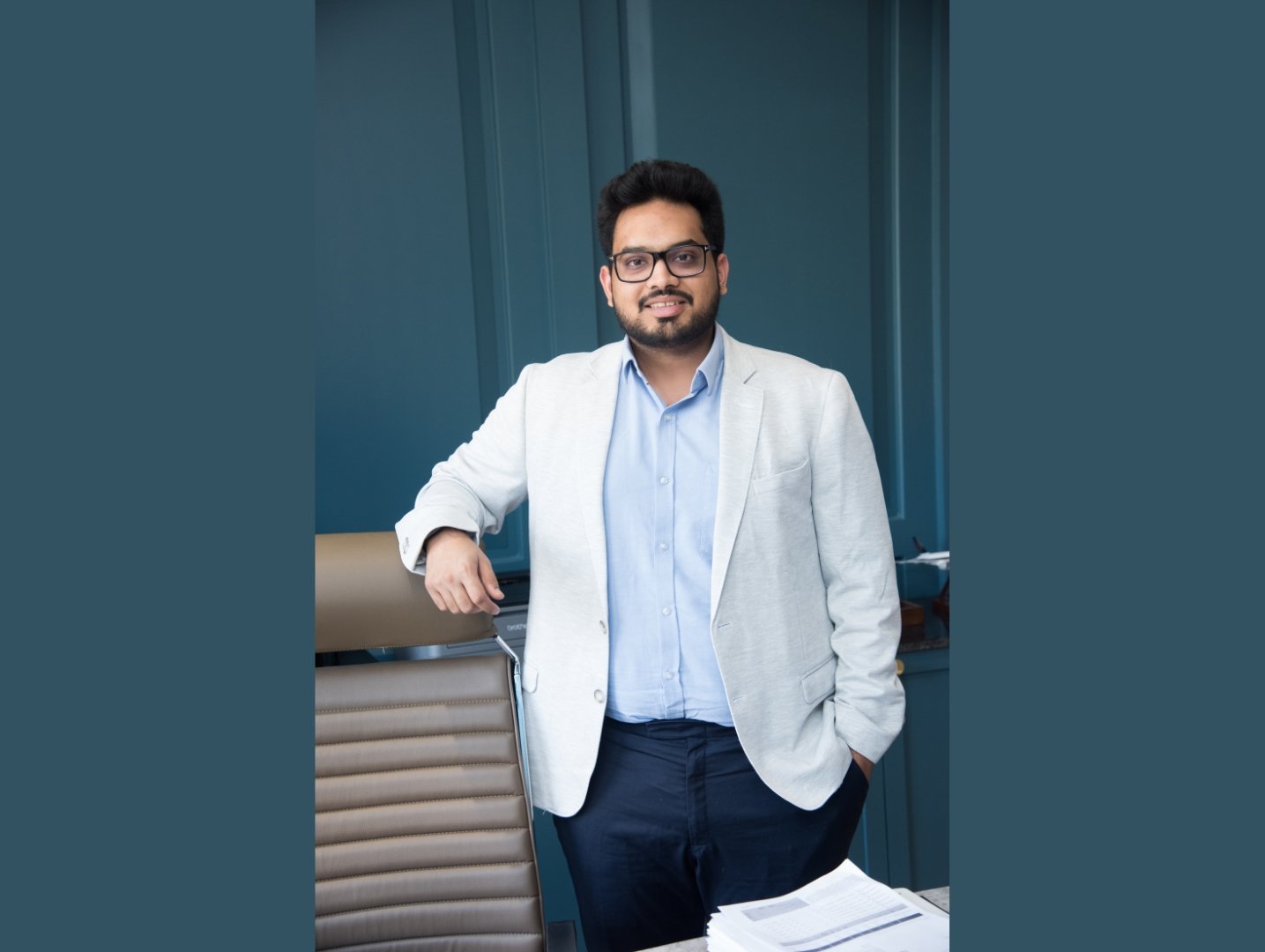
Nilesh Bhattad, Founder & CEO of CleanCarbon.ai, which supports Indian steel SMEs in measuring and reducing carbon emissions, attended GSSE 2025’s Summit and spoke on a panel dedicated to sustainability and decarbonisation. He lauded the event’s exceptional curation, engaged discussions on carbon compliance (including CBAM), and the audience’s proactive interest in green steel solutions.
Nilesh Bhattad, the Founder & CEO CleanCarbon.ai
Please share your experience of GSSE Summit.
First of all, I must say it was a very good experience. I’ve attended and spoken at many conferences before, but what Virgo and the team have organised here really stands out. The quality of organisations, the quality of the audience, and the overall arrangements were exceptional. Three cheers to the team for putting together such a well-curated event!
What was the focus of your panel discussion?
I was one of the speakers on the sustainability theme, particularly focusing on decarbonisation. This is the future for all companies—whether they’re operating in India or looking to expand globally.
At CleanCarbon.ai, which I founded, we work extensively with steel companies, especially SMEs in India. Many of them are now facing challenges like
• How do we measure carbon emissions?
• How can we reduce them?
• What are the short-term and long-term implications if we don’t act?
Our discussion addressed these questions. Whether the companies were exporting to Europe, the US, or not exporting at all—everyone recognised the importance of working toward green steel.
What was the audience response to the topic of decarbonisation?
The response was very engaging. Panellists and audience members alike asked insightful questions—about measurement, compliance, business risks, and global implications. Even after the session, many people came forward with specific queries. It was great to see that the audience could relate to the topic and were genuinely interested in implementing sustainable practices.
Why is it important for Indian steel companies to embrace decarbonisation now?
My message to Indian steel companies is: Don’t treat sustainability as just a compliance issue. Think of it as a strategic, long-term business imperative.
It’s not only about Europe’s Carbon Border Adjustment Mechanism (CBAM) anymore. The UK, US and even India, with its own green taxonomy, are adopting similar mechanisms.
To survive and thrive, businesses must focus on sustainability. That means reducing emissions and limiting environmental impact—not just for short-term gains but for the benefit of future generations. It is our responsibility as individuals and organisations to work toward a greener planet.
If there was a print magazine focused on sustainability in the stainless steel industry, what should it cover?
Great question. A magazine like that should go beyond the basics. Here’s what I think it should include:
• Current challenges, such as logistics and supply chain issues.
• The role of AI, digitisation, and emerging technologies in addressing these challenges.
• Innovations that can reduce production costs—like the recent research from China on replacing combustion processes to cut costs by up to 60–70 per cent.
• A strong focus on green steel, which is undoubtedly going to dominate the next 10–20 years.
• New global technologies, processes and best practices.
This type of information would be highly relevant and valuable for all stakeholders in the industry.
What are your thoughts on the GSSE 2025 event?
I saw many big names presenting their stainless steel innovations. What impressed me most was the focused and serious audience—real business discussions were happening on the ground. Kudos to the organising team for bringing all stakeholders together and creating a platform where everyone could collaborate, contribute, and add value to the stainless steel ecosystem. It was an outstanding effort.