The Metal Behind India’s Timekeeping Revolution: How Stainless Steel Shaped the Titan Story
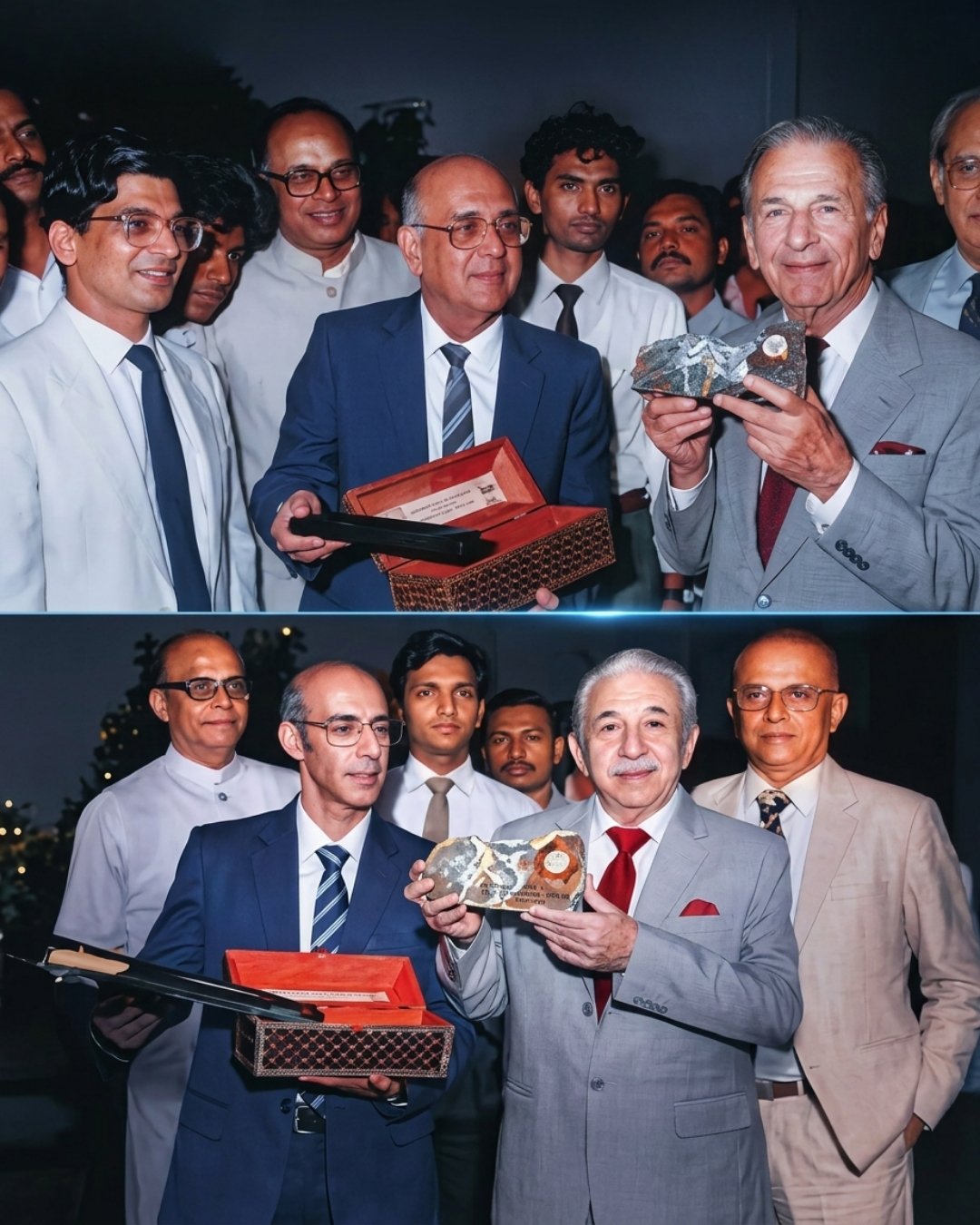
As Made In India: A Titan Story trends across streaming platforms, the series has reignited interest in one of India’s most remarkable manufacturing success stories—the creation of Titan Watches under the visionary leadership of Xerxes Desai.
While the spotlight often falls on entrepreneurship, design, and branding, there is another hero in this journey that deserves attention: stainless steel.
Building an Indian Watch Industry from Scratch
In the late 1970s and early 1980s, India’s watch market was dominated by imports, smuggled foreign brands, and limited domestic manufacturing capabilities. When Titan emerged as a joint venture between the Tata Group and the Tamil Nadu Industrial Development Corporation (TIDCO), the ambition was not merely to produce watches—it was to create a world-class manufacturing ecosystem in India.
Achieving this required precision engineering, advanced metallurgy, and materials capable of meeting global quality standards. Stainless steel became one of the foundational materials that enabled this transformation.
Why Stainless Steel Became the Preferred Choice
A watch case is more than a decorative component. It protects the movement from moisture, dust, impact, and corrosion while maintaining dimensional stability over years of use.
For manufacturers, stainless steel offered several advantages:
- Excellent corrosion resistance against sweat, humidity, and environmental exposure.
- High strength-to-weight ratio for durability and comfort.
- Superior surface finish suitable for polishing and brushing.
- Long service life with minimal degradation.
- Compatibility with precision machining and mass production.
These characteristics made stainless steel the ideal material for producing reliable, affordable, and premium watches at scale.
The Evolution of Stainless Steel in Watchmaking
Globally, stainless steel transformed the watch industry during the twentieth century. Luxury brands such as Rolex, Omega, and later Audemars Piguet demonstrated that stainless steel could combine functionality with prestige.
India’s watchmakers adopted the same philosophy. As consumer expectations evolved, stainless steel cases and bracelets became synonymous with quality, replacing plated base metals that were prone to wear and corrosion.
Titan’s rise mirrored this transition. Stainless steel enabled the company to deliver watches that met international standards while remaining accessible to Indian consumers.
Engineering Excellence: The Titan Edge Story
One of the most significant milestones in Indian watchmaking came in 2002 when Titan introduced the Edge collection, then recognized as the world’s slimmest watch.
Creating an ultra-thin timepiece required more than an innovative movement. The watch case had to maintain structural rigidity despite minimal thickness. Stainless steel played a critical role in achieving this balance between strength, precision, and aesthetics.
The success of the Edge demonstrated that Indian manufacturers could compete not only on cost but also on engineering innovation and advanced materials utilization.
Stainless Steel and the Modern Watch Industry
Today, stainless steel remains the dominant material for watch cases worldwide. The most widely used grades include:
Grade 304 Stainless Steel
- Good corrosion resistance
- Cost-effective manufacturing
- Widely used in mid-range watches
Grade 316L Stainless Steel
- Enhanced resistance to chlorides and sweat
- Superior polishability
- Preferred for premium and luxury watches
Specialty High-Performance Grades
- Increased hardness and scratch resistance
- Used in luxury and sports watches
- Often combined with advanced finishing technologies
These grades continue to drive innovation across both luxury and mass-market segments.
Beyond Timekeeping: A Story of Industrial Capability
The Titan story is not merely about watches. It represents India’s transition from a consumer of imported products to a creator of globally respected engineered goods.
Behind every successful watch lies a combination of design, manufacturing expertise, and material science. Stainless steel has quietly enabled each of these elements by providing the durability, precision, and reliability required for modern horology.
As audiences rediscover the inspiring journey of Xerxes Desai through Made In India: A Titan Story, it is worth remembering that India’s watchmaking revolution was powered not only by vision and entrepreneurship but also by the remarkable material that made world-class manufacturing possible.
In many ways, the history of Indian watchmaking is also a story of stainless steel—a material that continues to define precision, performance, and timeless value.