Addressing the nickel dilemma: Innovations and alternatives for a sustainable future
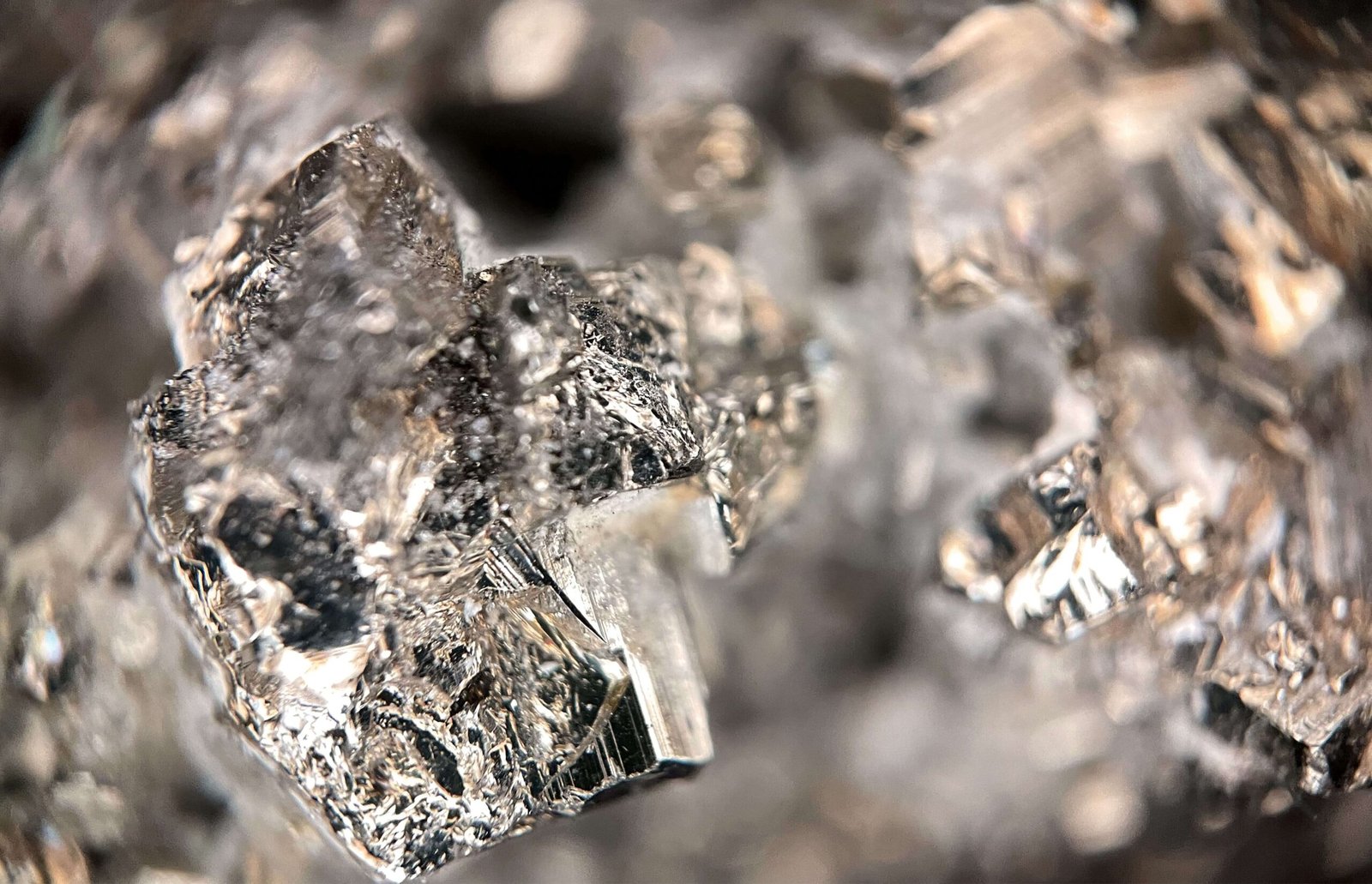
Nickel’s role in stainless steel is unmatched, but supply challenges and rising demand call for innovative solutions. Can the industry adapt to alternatives and ensure stability?
Nickel, a vital component of stainless steel, has long been celebrated for its ability to enhance durability, corrosion resistance, and visual appeal. Yet, the industry is now facing a growing dilemma: a volatile nickel supply chain coupled with skyrocketing demand across sectors like electric vehicles (EVs) and renewable energy.
As stainless steel producers grapple with price fluctuations and environmental concerns, the need for alternatives and innovations has become more urgent than ever. In this article, we’ll explore the challenges surrounding nickel in stainless steel, the emergence of substitutes, and how the industry is preparing for a sustainable future.
Nickel in stainless steel: Why is it essential?
Nickel plays a critical role in:
Corrosion resistance: Boosting stainless steel’s ability to withstand harsh environments.
Aesthetic appeal: Providing a lustrous finish ideal for architecture and design.
Ductility: Enhancing malleability for diverse applications, from cookware to medical devices.
However, these benefits come at a cost as the global demand for nickel strains its supply chain.
The challenges facing nickel supply
Geopolitical and economic pressures
1. Production concentration: Major nickel producers like Indonesia and the Philippines control significant portions of the supply, making the market susceptible to policy changes.
2. Global demand surge: EV batteries are competing for nickel resources, leading to higher prices and tighter availability.
Environmental Concerns
Mining impacts: Nickel extraction causes environmental degradation, pushing governments to enforce stricter regulations.
Carbon footprint: Traditional mining and processing methods have a substantial carbon impact, conflicting with global sustainability goals.
Innovative solutions to the nickel crisis
Nickel-free or low-nickel stainless steel grades
The industry is turning to alternatives like ferritic stainless steel, which contains little to no nickel.
Advantages
- Cost-effective for non-critical applications.
- Stable pricing compared to nickel-rich grades.
Limitations
- Reduced ductility and weldability, making it unsuitable for some high-performance uses.
Manganese as a substitute
How it works:
- Replacing nickel with manganese in certain grades offers comparable performance at a lower cost.
Real-world examples:
- Products like manganese-based stainless steel for automotive and structural components are gaining traction.
Emerging technologies in alloy development
Recycling innovations
- Advanced methods to recover nickel from scrap stainless steel reduce dependency on virgin ore.
AI-driven material design
- Artificial intelligence is being leveraged to create new alloy compositions that minimise nickel use without sacrificing quality.
Industry responses to nickel challenges
Sustainability in focus
- Companies are aligning with net-zero goals by investing in greener production methods.
- Partnerships with governments and institutions aim to develop sustainable supply chains.
Adopting alternatives
Increasing adoption of ferritic and manganese-based stainless steel in construction and consumer goods.
Conclusion
As the stainless steel industry navigates the nickel dilemma, embracing alternatives and innovations is key. While challenges remain, advancements in alloy design, recycling, and sustainable production offer a path to resilience.
By prioritising these strategies, the industry can ensure that stainless steel continues to shine as a material of choice, even in the face of nickel supply constraints.
The future of stainless steel lies not in eliminating nickel but in using it wisely and innovatively.
FAQs about nickel in stainless steel
Why is nickel important in stainless steel?
Nickel enhances corrosion resistance, durability, and ductility, making stainless steel suitable for a wide range of applications.
What are the alternatives to nickel in stainless steel?
Low-nickel grades like ferritic stainless steel and manganese-based alloys are common alternatives.
How does the nickel supply chain affect stainless steel prices?
Volatile supply and high demand drive up prices, affecting the affordability and availability of nickel-rich stainless steel.
Is nickel-free stainless steel as durable as traditional grades?
While alternatives may lack some properties like ductility, they are sufficient for many non-critical applications.
References:
www.worldstainless.org
www.insg.org
www.nickelinstitute.org
www.usgs.gov