Jindal Stainless Deploys 10 Electric Trucks to Strengthen Green Mobility
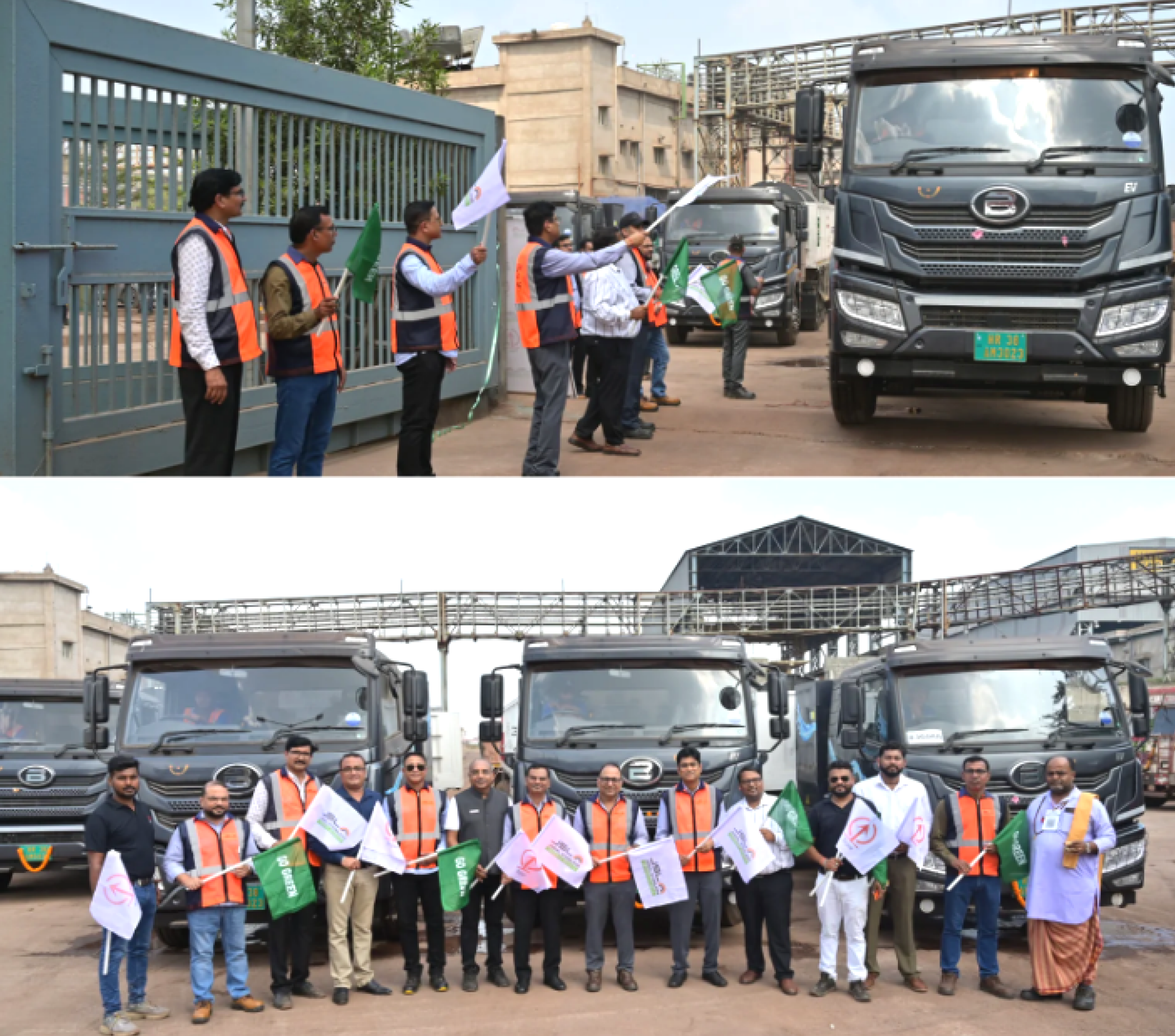
Jindal Stainless has deployed 10 dedicated electric trucks for finished goods transportation for the first time, strengthening its green mobility initiatives and efforts to reduce logistics emissions.
The electric trucks will operate on routes connecting the company’s Jajpur plant with Kharagpur and Kolkata. The deployment forms part of its phased transition towards electric and alternative-fuel vehicles across its logistics operations.
For the stainless steel industry, the initiative highlights the growing importance of addressing emissions beyond manufacturing, including the transportation of finished materials. Integrating lower-emission vehicles into logistics operations is one way producers can extend sustainability efforts across their value chains.
Jindal Stainless Expands Alternative-Fuel Fleet
Alongside its new electric trucks, Jindal Stainless operates 80 liquefied natural gas (LNG) trucks to transport finished goods from its Jajpur and Hisar facilities to western India. The company has also begun deploying compressed natural gas (CNG) trucks to transport imported cargo from Dhamra to Jajpur. Additionally, 60 CNG buses are used for employee transportation at its Hisar and Jajpur facilities.
These initiatives are expected to facilitate the transportation of approximately 8,000–10,000 tonnes of cargo per month using electric and alternative-fuel vehicles.
Green Mobility Programme Targets 26% Lower Emissions
Based on a modelled monthly green dispatch volume of 8,000–9,000 tonnes and an equivalent truck travel distance of approximately 240,000 km, the combined fleet of electric, CNG and LNG vehicles is expected to reduce carbon dioxide emissions by around 71 tonnes per month. This represents an estimated 26% reduction compared with diesel-based transportation under regular operating conditions.
Commenting on the initiative, Abhyuday Jindal, Managing Director of Jindal Stainless, said the company aims to extend responsible manufacturing across its value chain, including product transportation, by adopting practical and scalable lower-emission solutions while maintaining operational efficiency.
The company plans to progressively expand these solutions across suitable logistics routes, depending on the operational requirements of individual transportation corridors. The initiative adds another dimension to its broader environmental efforts focused on energy efficiency, renewable energy and resource circularity.