Capacity Expansion and Value-Added Applications Key to India’s Stainless Steel Leadership
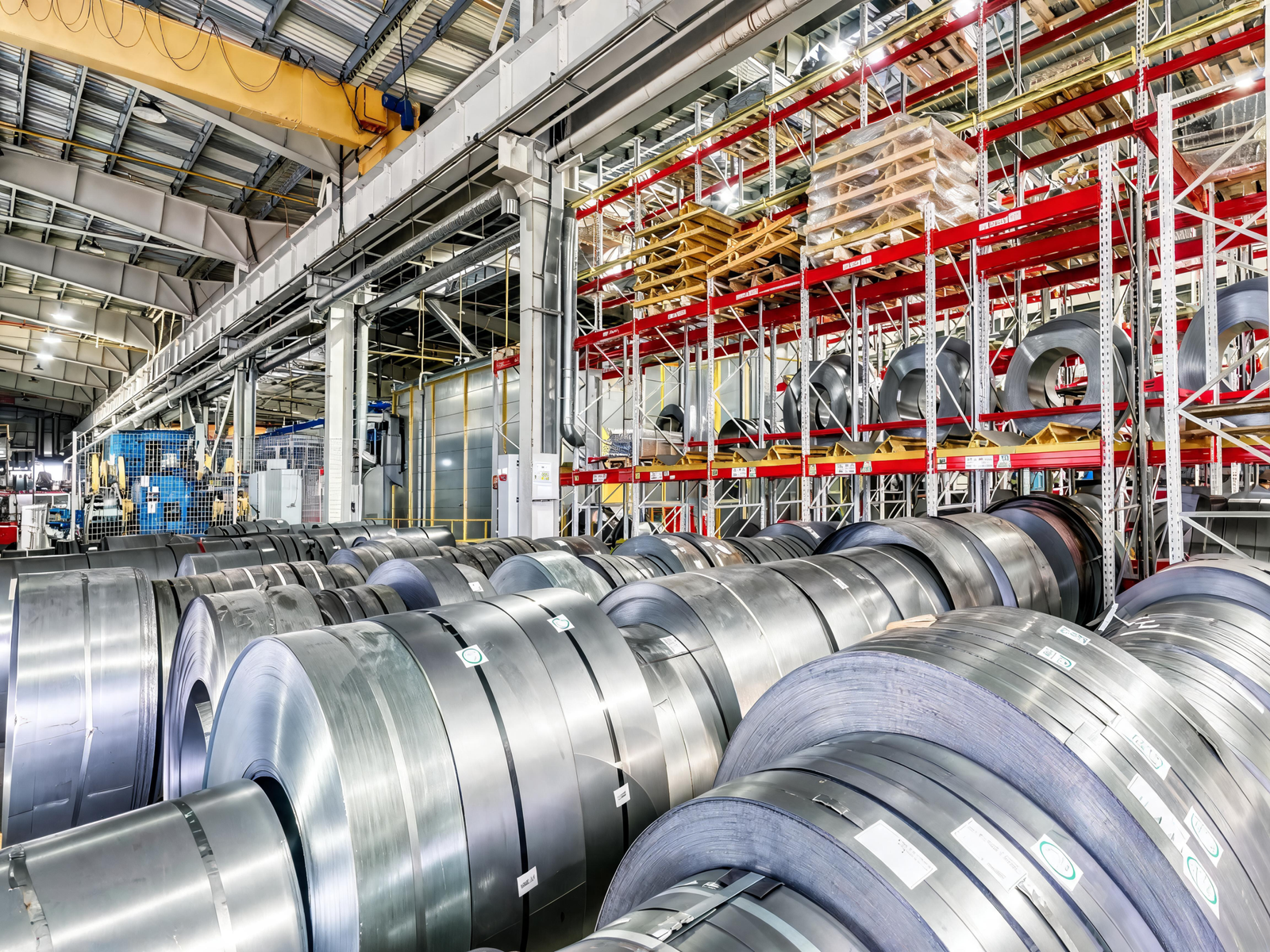
India’s stainless steel industry is entering a transformative phase, with industry leaders emphasising that capacity expansion, technological innovation, and the development of value-added applications will determine the country’s ability to emerge as a global leader in stainless steel production.
Already the world’s second-largest consumer of stainless steel, India has built a strong foundation supported by rapid industrialisation, urban infrastructure development, and a growing manufacturing sector. However, experts believe that the next stage of growth will require the industry to move beyond increasing production volumes and focus on creating higher-value products, advanced applications, and globally competitive manufacturing capabilities.
Building the Foundation for Global Leadership
According to industry leaders, India’s stainless steel sector possesses immense growth potential, but sustained investments in manufacturing capacity will be essential to meet future domestic demand while strengthening export competitiveness.
Manufacturers are increasingly investing in new production facilities, downstream processing units, precision manufacturing, automation, and digital technologies to improve productivity and product quality. These investments are expected to enhance operational efficiency while enabling the production of specialised stainless steel grades for demanding industrial applications.
Value Addition: The Next Competitive Advantage
The global stainless steel industry is witnessing increasing demand for specialised materials designed for critical industrial environments. This presents a significant opportunity for Indian manufacturers to move beyond commodity production and establish themselves as suppliers of engineered stainless steel solutions.
Value-added products include precision-fabricated components, specialised stainless steel grades, corrosion-resistant alloys, engineered process equipment, architectural applications, and customised industrial solutions.
Such products not only command higher market value but also strengthen India’s position in international supply chains by reducing dependence on imports of advanced materials.
Industry experts believe that innovation across product development, metallurgy, fabrication technologies, and surface engineering will become increasingly important as customer requirements continue to evolve.
Expanding Applications Across Industries
The demand for stainless steel is no longer confined to traditional sectors such as construction and transportation. Today, stainless steel has become an indispensable material across several high-growth industries where hygiene, corrosion resistance, durability, and long service life are critical.
Key sectors driving future demand include:
- Pharmaceuticals and biotechnology
- Food and beverage processing
- Dairy, brewery, and distillery plants
- Chemical and petrochemical industries
- Oil and gas infrastructure
- Water and wastewater treatment
- Renewable energy projects
- Green hydrogen infrastructure
- Nuclear and thermal power plants
- Smart cities and urban infrastructure
- Process engineering and industrial manufacturing
As these industries continue to expand, demand for specialised stainless steel equipment, processing systems, storage solutions, and fabricated components is expected to grow significantly.
India’s Untapped Growth Potential
Despite being one of the world’s largest stainless steel markets, India’s per capita consumption remains considerably below the global average, highlighting substantial room for expansion.
India currently produces approximately 5.16 million tonnes of stainless steel annually, while global production stands at around 64.2 million tonnes. Meanwhile, India’s per capita stainless steel consumption is approximately 3.4 kg, compared to the global average of nearly 6 kg.
This gap represents a significant opportunity for future growth as infrastructure investments, industrial manufacturing, urban development, and public utilities continue to accelerate.
Government initiatives such as Make in India, infrastructure expansion, railway modernisation, renewable energy development, and investments in water treatment facilities are expected to further increase domestic stainless steel consumption over the coming years.
Technology as a Growth Enabler
Modern stainless steel manufacturing is becoming increasingly technology-driven. Automation, artificial intelligence, Industry 4.0 practices, digital quality control, predictive maintenance, and energy-efficient production systems are transforming manufacturing operations.
Indian producers are investing in advanced melting technologies, precision rolling mills, automated finishing lines, and sustainable production processes that improve consistency while reducing environmental impact.
Technology is also enabling manufacturers to develop high-performance stainless steel grades suited for demanding applications in aerospace, defence, energy, healthcare, and process industries.
Sustainability Strengthens the Industry’s Future
Stainless steel remains one of the most sustainable engineering materials available today. Its long service life, corrosion resistance, durability, and complete recyclability make it an ideal material for a circular economy.
With increasing global emphasis on sustainable manufacturing and lower carbon emissions, stainless steel is expected to play an even larger role in infrastructure, clean energy, water management, and industrial development.
Manufacturers are also focusing on improving energy efficiency, increasing recycled content, and adopting cleaner production technologies to align with global sustainability goals.
Collaboration Will Drive Industry Growth
Industry stakeholders believe that collaboration between manufacturers, policymakers, research institutions, technology providers, and industry associations will be crucial in accelerating India’s growth.
Supportive policies, investment in research and development, skill development, and stronger industry-academia partnerships can help India strengthen its technological capabilities and develop globally competitive products.
Trade exhibitions, technical conferences, and knowledge-sharing platforms will also play an important role by connecting manufacturers with end-user industries, consultants, EPC contractors, and international buyers.
Looking Ahead
As India’s stainless steel industry accelerates its journey towards global leadership, collaborative industry platforms will play a pivotal role in fostering innovation, technology adoption, and business partnerships. In this direction, the Global Stainless Steel Expo (GSSE) is set to gain further momentum with the support of the Indian Stainless Steel Development Association (ISSDA) in its forthcoming editions. By bringing together manufacturers, technology providers, process engineering companies, fabricators, consultants, and end-user industries under one roof, GSSE will serve as a catalyst for knowledge exchange, business growth, and the advancement of India’s stainless steel ecosystem.