Stainless Steel MSMEs Seek Return of Quality Control Order Amid Rising Imports
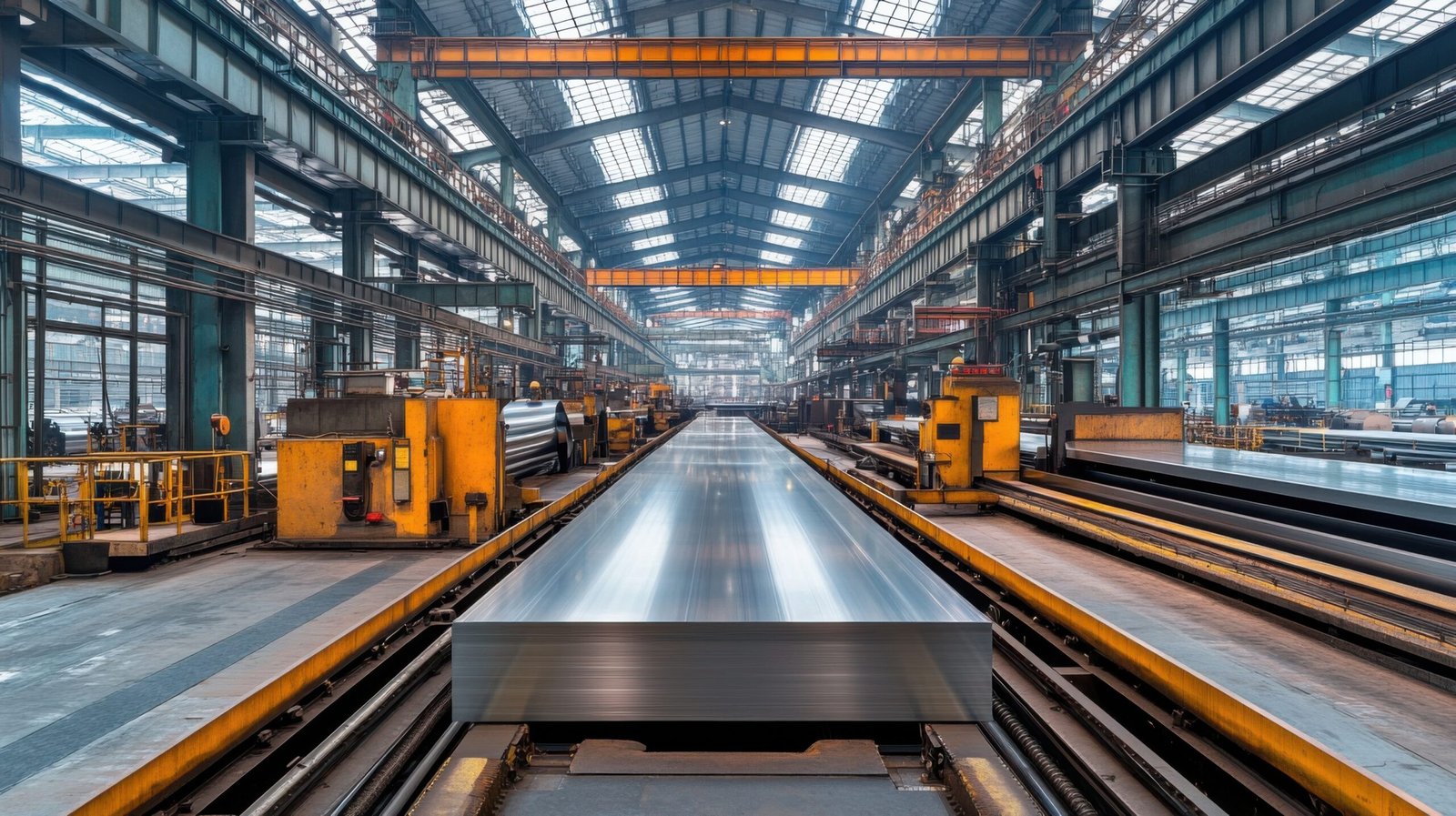
Spacious industrial factory interior featuring heavy machinery and a metal production line under a high ceiling with skylights.
India’s stainless steel industry, particularly the MSME segment, has raised concerns over the sharp increase in stainless steel imports and is urging the government to reintroduce a stronger Quality Control Order (QCO) framework to protect domestic manufacturing and ensure product quality standards.
Industry stakeholders have reported that the influx of low-cost imports, primarily from Asian markets, is creating significant pressure on domestic producers. MSME manufacturers argue that the surge in imported stainless steel products is affecting capacity utilization, squeezing margins, and disrupting fair market competition. According to industry representatives, the absence of stringent quality enforcement could allow substandard materials to enter the market, impacting both manufacturers and end-users.
The demand for stricter quality regulations comes at a time when the government has been balancing two competing objectives—supporting domestic steel manufacturing while ensuring adequate availability of raw materials for downstream industries. In late 2025, the Ministry of Steel suspended enforcement of several steel Quality Control Order standards, citing concerns related to supply availability, pricing pressures, and MSME requirements.
Industry associations believe that while temporary relaxations may have addressed immediate supply concerns, the long-term impact has been a rise in imports that could undermine investments made by domestic stainless steel producers. Manufacturers have emphasized that Quality Control Orders are not merely trade barriers but essential mechanisms for maintaining product reliability, safety, and compliance with Indian standards.
The debate over QCO implementation has intensified over the past year. Several MSME organizations have previously highlighted the challenges posed by sudden regulatory changes and BIS certification requirements, particularly for imported raw materials and semi-finished steel products. However, domestic stainless steel manufacturers maintain that a robust quality-control regime remains critical for ensuring a level playing field and preventing market distortions caused by low-priced imports.
Experts note that India’s stainless steel sector has emerged as one of the fastest-growing segments of the steel industry, driven by demand from infrastructure, transportation, architecture, food processing, renewable energy, and consumer applications. As the country aims to expand its manufacturing footprint under the ‘Make in India’ initiative, industry leaders argue that quality-focused regulations will be essential to support sustainable growth and strengthen domestic value chains.
The stainless steel industry is now looking to policymakers for a balanced approach that safeguards quality standards while ensuring sufficient raw material availability for downstream users. Industry representatives believe that a carefully structured Quality Control Order framework could help protect domestic manufacturing, encourage investments, and maintain confidence in India’s stainless steel ecosystem.
With imports continuing to remain a key concern, the sector is expected to closely watch the government’s next steps on quality-control regulations and trade policy measures in the coming months.