Shyam Metalics Turns Environmental Awareness into Measurable Action
Building a Greener Future Through Sustainable Steel Manufacturing
As industries across the globe face growing pressure to balance economic growth with environmental responsibility, companies that translate sustainability commitments into tangible action are emerging as leaders of change. Shyam Metalics has positioned itself among these frontrunners by embedding environmental stewardship into both its business operations and community initiatives.
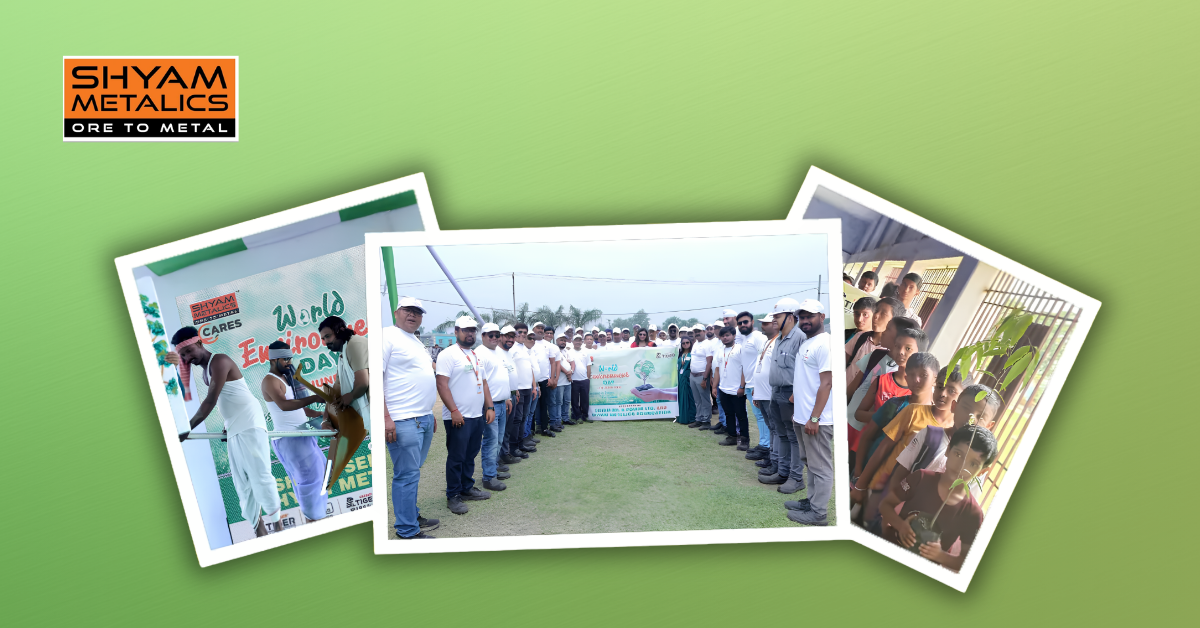
On World Environment Day 2026, the company reinforced a message that extends far beyond a single day of celebration: sustainability is not an event—it is a continuous commitment that shapes the future of industry, communities, and the planet. The global observance, centered on climate action and nature-based solutions, served as a timely reminder of the role businesses must play in addressing environmental challenges.
Sustainability at the Core of Operations
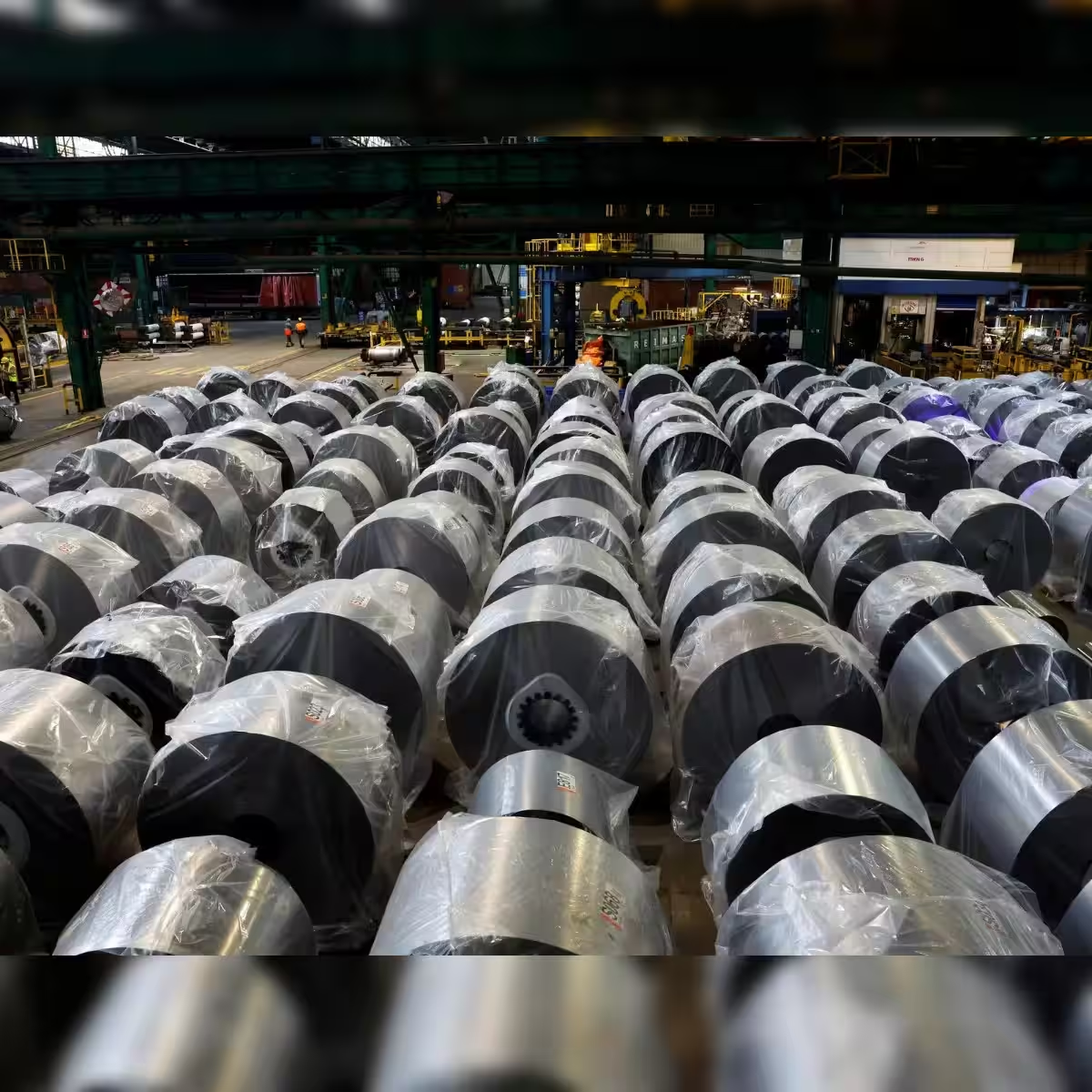
For a metals and steel manufacturer, environmental responsibility begins inside the plant. Shyam Metalics has invested significantly in technologies and operational practices designed to reduce environmental impact while maintaining manufacturing excellence.
The company’s integrated approach focuses on resource efficiency, waste utilization, energy optimization, and emissions management. Rather than treating industrial by-products as waste, Shyam Metalics has adopted a circular economy mindset that converts operational outputs into valuable resources.
One notable example is its commitment to utilizing 100 percent of the slag generated during steel production. Blast furnace slag is processed for infrastructure applications, while fly ash is converted into bricks through in-house manufacturing units. This approach reduces landfill dependency and maximizes resource utilization across the value chain.
Advancing Cleaner Steel Production
The global steel industry is undergoing a significant transformation as governments, investors, and customers increasingly demand lower-carbon manufacturing processes. In this evolving landscape, Shyam Metalics is actively adopting cleaner production technologies to support sustainable growth.
The company utilizes advanced coke oven systems with heat recovery mechanisms that capture and reuse thermal energy. It has also implemented dry quenching technology, which helps reduce water consumption and emissions while improving overall energy efficiency.
By incorporating electric arc furnace-based recycling practices and expanding renewable energy integration, the company continues to align its operations with long-term decarbonization goals and global sustainability frameworks.
Beyond Compliance: Creating Environmental Impact
Many organizations focus on meeting environmental regulations. Shyam Metalics aims to go further by establishing systems that drive continuous improvement.
Its operations are guided by internationally recognized environmental management standards, including ISO 14001 certification. The company also follows global reporting frameworks that enhance transparency and accountability in sustainability performance.
Through real-time monitoring systems, environmental dashboards, and proactive audits, Shyam Metalics maintains a data-driven approach to environmental management. These initiatives help track emissions, water consumption, waste generation, and resource efficiency across manufacturing facilities.
Water, Biodiversity, and Resource Conservation
Environmental sustainability extends beyond factory operations. It also includes responsible management of natural resources and ecosystem preservation.
Shyam Metalics has implemented extensive water stewardship programs, with more than 95 percent of operational water being recycled across key facilities. Several plants operate under zero-liquid-discharge systems, reducing pressure on local water resources.
The company has also undertaken large-scale afforestation and land reclamation initiatives. Through green belt development and biodiversity restoration programs, over 500 hectares of land have been reclaimed and revitalized, contributing to improved ecological balance around operational regions.
Driving Environmental Awareness in Communities
Environmental responsibility becomes more impactful when it reaches beyond corporate boundaries.
Through the Shyam Metalics Foundation, the company has consistently engaged local communities in environmental awareness programs. Plantation drives, drawing competitions, educational campaigns, poster-making activities, and sustainability-focused events have encouraged participation among students, youth, and community members.
Past World Environment Day initiatives have reached multiple schools and training centers, helping cultivate environmental awareness among future generations while encouraging collective action at the grassroots level.
Industry Perspective: The Future of Sustainable Manufacturing
The manufacturing sector is increasingly recognized as a key driver in achieving climate and sustainability goals. Industry leaders worldwide are emphasizing the need for technology-driven sustainability, cleaner energy adoption, resource efficiency, and climate resilience.
For steel manufacturers, this transformation represents both a challenge and an opportunity. Companies that invest early in sustainable technologies and responsible resource management are likely to gain competitive advantages in a future shaped by environmental accountability.
Shyam Metalics’ sustainability initiatives demonstrate how industrial growth and environmental responsibility can move forward together. By integrating operational efficiency with environmental innovation, the company is contributing to the broader transition toward cleaner and more resilient manufacturing.
A Commitment That Extends Beyond World Environment Day
World Environment Day serves as a powerful reminder that environmental action cannot be limited to annual campaigns. The real impact comes from sustained efforts, measurable outcomes, and long-term commitments.
For Shyam Metalics, sustainability is increasingly becoming a defining pillar of its growth strategy. From waste utilization and water conservation to cleaner steel production and community engagement, the company is demonstrating that responsible industrial development is both achievable and necessary.
As India accelerates its journey toward sustainable economic growth, organizations that combine innovation with environmental stewardship will play a critical role in shaping the future. Shyam Metalics is positioning itself not just as a producer of steel, but as a contributor to a cleaner, greener, and more sustainable tomorrow.