India’s silent rise in global stainless steel casting market
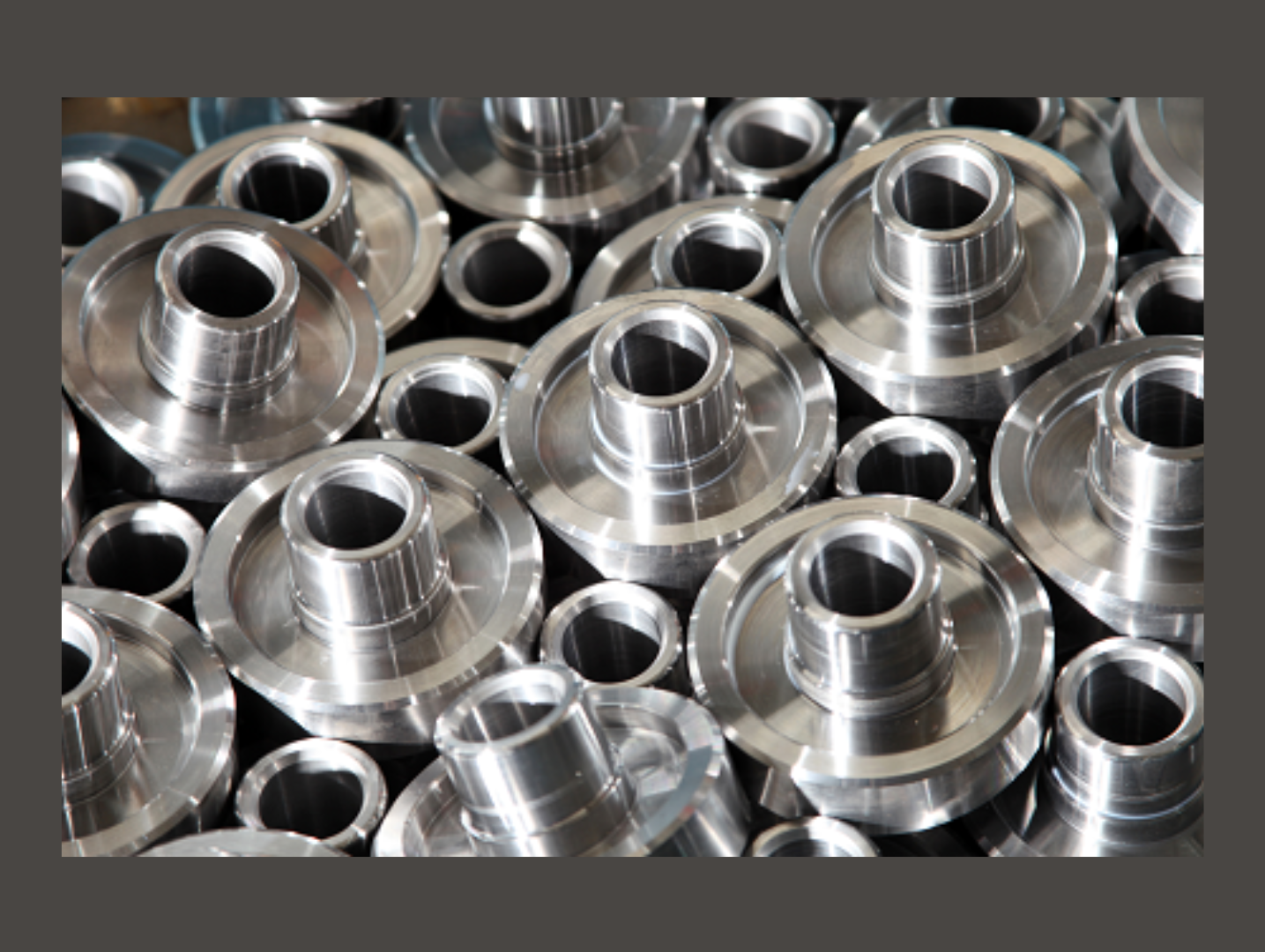
The global stainless steel casting market is seeing strong growth, reaching USD 12.86 billion in 2025 and expected to climb to USD 30.03 billion by 2033. Demand is rising across industries such as automotive, construction, and aerospace, with India playing a key role due to its expanding manufacturing base and infrastructure growth.
A simple but important question sits behind this growth: how will industries keep up with rising demand for strong, corrosion-resistant steel parts while also controlling costs and improving efficiency? The answer is increasingly linked to India’s fast-developing industrial sector and global shifts towards smarter, cleaner production methods.
A growing market driven by industry needs
The stainless steel casting market is a key part of the wider metal manufacturing world. It focuses on producing strong and long-lasting metal components that can withstand heat, pressure, and corrosion. These qualities make stainless steel castings essential for industries that depend on reliability and safety.
In 2025, the market reached a value of USD 12.86 billion. Experts expect it to grow at a compound annual growth rate (CAGR) of around 11.18 per cent between 2026 and 2033. By the end of this period, the market could reach about USD 30.03 billion.
This rise is mainly linked to increasing demand from sectors such as transport, infrastructure, energy, and machinery manufacturing. As industries expand, the need for high-quality cast parts continues to increase.
How stainless steel casting works and why it matters
Stainless steel casting involves melting steel and pouring it into moulds to create precise shapes. These parts are then used in machines, vehicles, buildings, and industrial systems. The process allows manufacturers to produce complex designs that would be difficult or expensive to make using other methods.
The material itself is highly valued for its resistance to rust and corrosion, especially in harsh environments such as marine systems, chemical plants, and outdoor construction. It also performs well under high pressure and temperature, making it suitable for heavy-duty applications.
Over time, improvements in casting methods have made production more accurate and efficient. This has helped industries reduce waste, improve product quality, and meet growing global demand.
India’s expanding role in global production
India is becoming one of the most important players in the stainless steel casting market. Alongside China, it is part of the Asia-Pacific region, which currently dominates global production.
India’s growth is supported by several key factors:
- Rapid industrialisation across the manufacturing and construction sectors
- Large-scale infrastructure projects such as roads, railways, and urban development
- Growing automotive production and export demand
- Government support for domestic manufacturing under industrial development programmes
Many Indian manufacturers are also investing in modern technology to improve production speed and quality. This includes automation, digital monitoring systems, and energy-efficient production methods.
The country’s cost advantage in labour and materials also makes it attractive for global companies looking to outsource or expand production.
Technology and innovation
Technology is playing a major role in how stainless steel castings are produced today. Modern factories are increasingly using automation and digital systems to improve accuracy and reduce human error.
Key developments include:
- Computer-controlled casting processes
- Use of artificial intelligence for quality checks
- Predictive maintenance systems to reduce machine breakdowns
- Digital tracking of production stages
These changes help manufacturers reduce costs and improve efficiency. They also support higher quality standards, which are important in industries like aerospace and automotive manufacturing.
There is also growing interest in advanced methods such as additive manufacturing and improved moulding techniques. These allow companies to create more complex designs and reduce production time.
Key industries driving demand
The demand for stainless steel castings comes from several major industries, each with different needs but a shared requirement for strength and durability.
In the automotive sector, cast parts are used in engines, braking systems, and structural components. As electric vehicles grow in popularity, demand for lightweight and heat-resistant parts is increasing.
In aerospace, precision and safety are critical. Stainless steel castings are used in engine components and structural parts that must perform under extreme conditions.
The construction industry uses these castings in bridges, buildings, and heavy equipment. India’s rapid urbanisation is particularly driving demand in this area.
Industrial machinery and marine sectors also rely heavily on stainless steel castings due to their resistance to corrosion and wear.
Market challenges
Despite strong growth, the industry faces several challenges. One of the biggest is the fluctuating cost of raw materials such as nickel and chromium. These materials are essential for producing stainless steel, and their prices can significantly affect production costs.
Energy consumption is another concern, as casting processes require high temperatures and significant electricity use. This has led companies to look for more energy-efficient solutions.
Environmental regulations are also becoming stricter. Manufacturers are under pressure to reduce emissions and manage waste more effectively. This often requires investment in cleaner technology.
There is also a shortage of skilled workers in some regions, which can slow down production and limit expansion.
Market trends, competition, and future outlook
The market is highly competitive, with global companies and regional manufacturers working to strengthen their position. Large firms focus on expanding production capacity, investing in research, and adopting new technologies. Smaller companies often compete by offering specialised or customised casting solutions.
A growing trend in the industry is sustainability. Many manufacturers are now recycling scrap metal and reducing energy usage to meet environmental goals. This is becoming increasingly important for both regulations and customer expectations.
The future outlook for the stainless steel casting market remains positive. Growth is expected to continue across all major regions, especially in the Asia-Pacific. India’s role is likely to become even more important as its industrial base expands and demand for infrastructure rises.
More mergers and partnerships are likely in the coming years, as companies look to access better technology and expand into new markets.
Automation, digitalisation, and cleaner production methods are set to shape the next phase of growth, with businesses that adapt quickly gaining a clear competitive advantage.
A market shaped by growth and transformation
The stainless steel casting market is moving through a period of steady and significant expansion. With rising demand from key industries, strong industrial growth in India, and rapid technological change, the sector is set for long-term development.
While challenges such as raw material costs and environmental pressures remain, ongoing innovation and investment are helping the industry adapt. As global manufacturing continues to evolve, stainless steel casting will remain a vital part of modern industrial production.