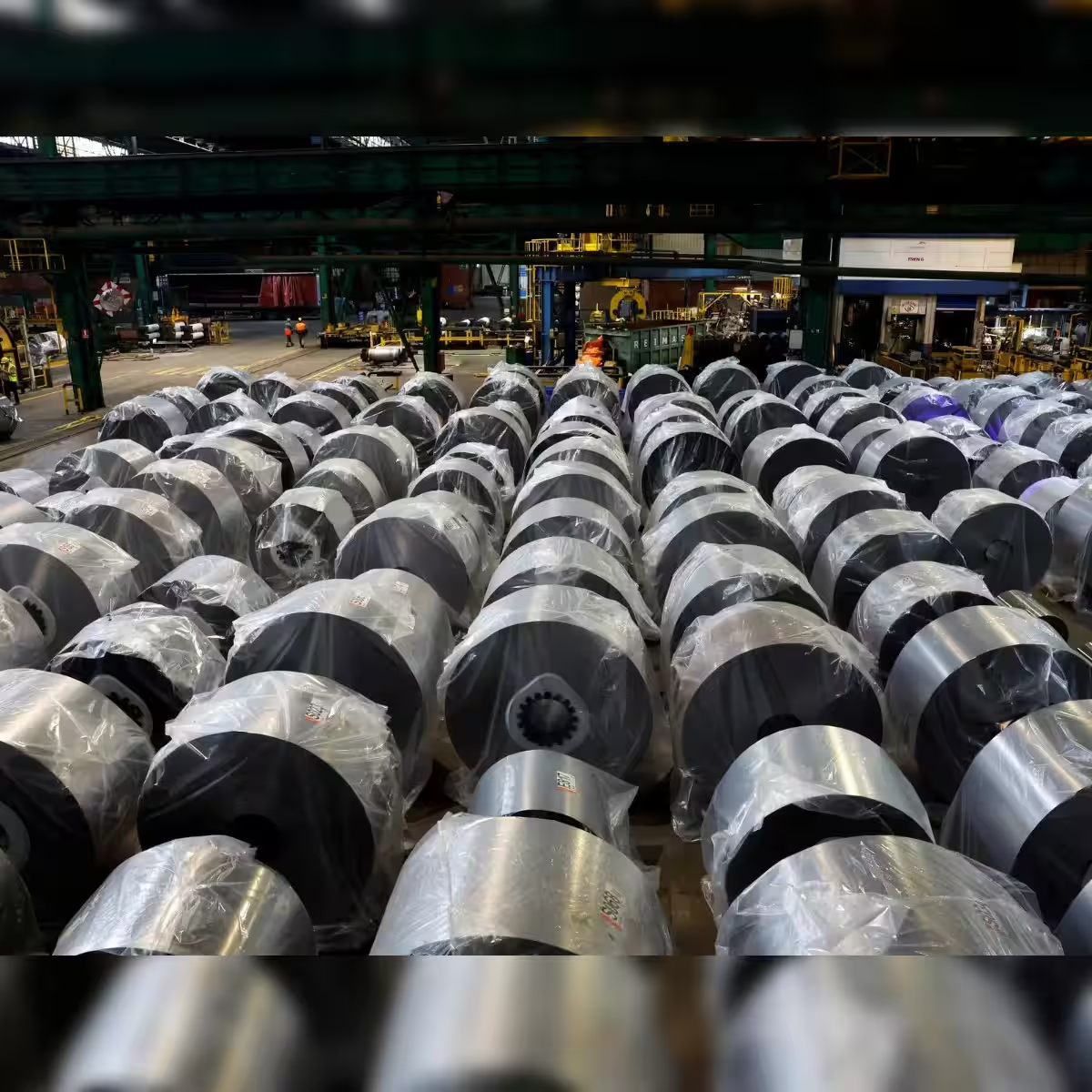
The stainless steel edge inside the Audi SQ8
Nowadays, stainless steel plays a key role in modern cars, from strength to style, and the new Audi SQ8 shows how advanced materials continue to shape luxury SUVs. But what makes this metal so important in high-performance vehicles? And how does it support both safety and long-term durability? The launch of the Audi SQ8 in India brings these questions into focus, as the SUV combines powerful performance, premium comfort, and strong engineering in one package.
A new luxury SUV with strong performance
The Audi SQ8 has been launched in India at a price of around Rs 1.78 crore (ex-showroom), placing it between the standard Audi Q8 and the more powerful Audi RS Q8. This new model is aimed at buyers who want a mix of everyday comfort and high-speed performance. Bookings have already begun, with a booking amount of Rs 5 lakh.
The SUV comes with a 4.0-litre twin-turbo V8 petrol engine that delivers 507 horsepower and 770 Nm of torque. It is paired with an 8-speed automatic gearbox and Audi’s all-wheel-drive system, which helps distribute power evenly to all four wheels. The car can go from 0 to 100 km/h in just 4.1 seconds, making it one of the fastest SUVs in its segment.
Inside the automotive industry, stainless steel is widely used in performance vehicles like this because of its strength and resistance to heat and corrosion. It is commonly used in parts such as exhaust systems and structural components, where high temperatures and pressure are involved. This helps ensure that vehicles maintain performance over time without losing durability. Stainless steel also supports safety, as it can absorb stress and remain stable under tough driving conditions.
Compared to its rivals, the SQ8 offers a strong balance between the standard Q8 and the high-performance RS Q8. While it is slightly less powerful than the RS Q8, it still delivers impressive speed and handling for everyday driving and long journeys.
Comfort, technology, and stainless steel details inside
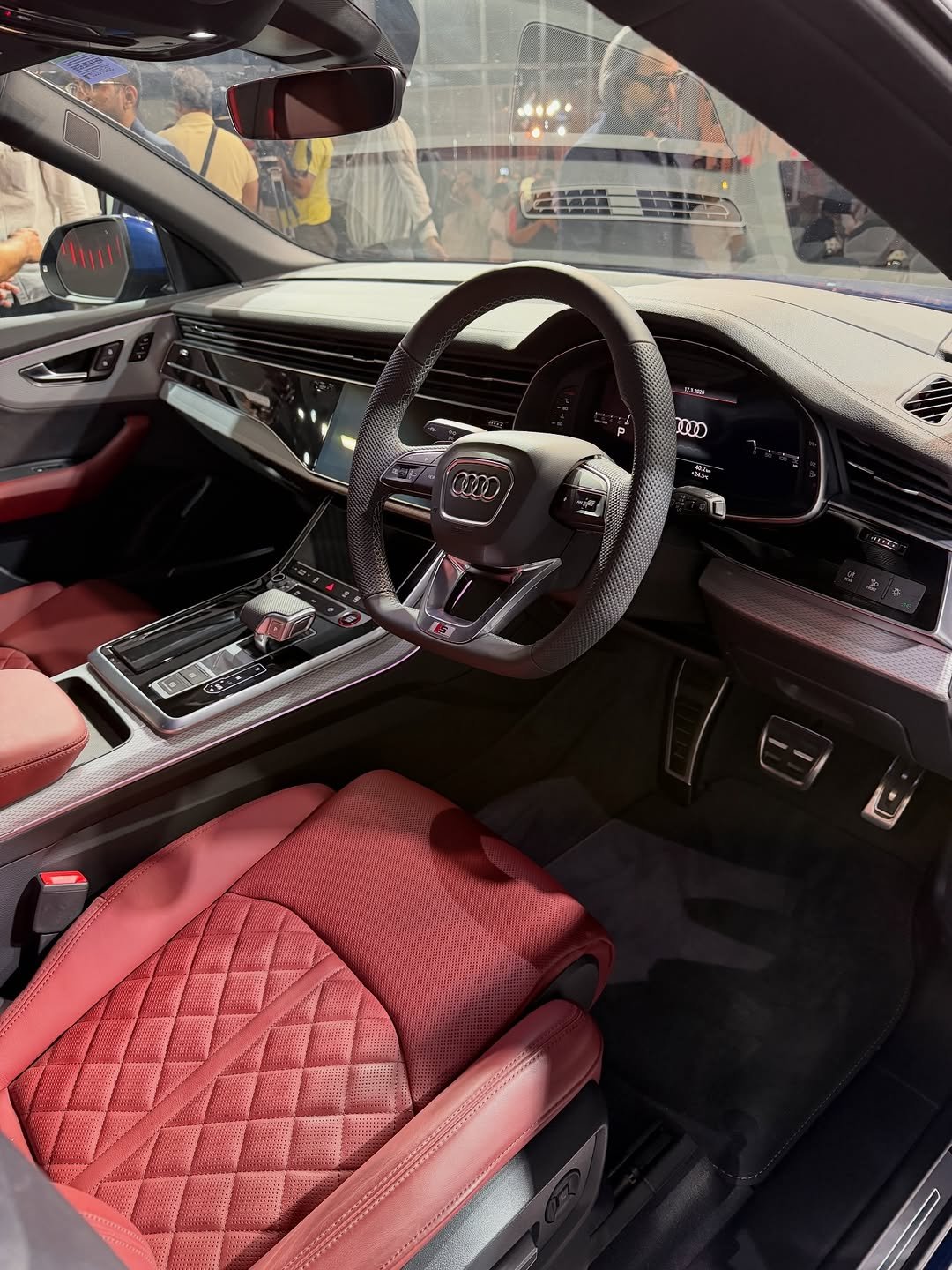
The interior of the SQ8 is designed with comfort and a premium feel in mind. It features an all-black cabin with leather and Alcantara upholstery. Sporty ‘S’ branding can be seen on the seats and steering wheel, while stainless steel elements are included in parts like the pedals. These stainless steel pedals not only add a stylish touch but also provide durability and better grip for the driver.
Stainless steel is often used in car interiors for similar reasons. It is resistant to wear and tear, does not easily rust, and keeps its appearance for a long time. This makes it suitable for parts that are frequently used, such as pedals, trims, and door sills. In addition, it is also used in exterior trims and exhaust finishes, where both looks and strength matter.
The SQ8 also comes with modern technology features, including a dual touchscreen system, a 12.3-inch digital driver display, and a high-quality Bang & Olufsen sound system. Other features include a panoramic sunroof, soft-close doors, and advanced driver assistance systems. These features are designed to make driving more comfortable, safe, and enjoyable.
Position in the market and role of materials in cars
The Audi SQ8 sits in a unique position in the luxury SUV market. It is more powerful than the standard Q8 but not as extreme as the RS Q8. This makes it appealing to buyers who want strong performance without going to the top price range. It competes with vehicles such as the Mercedes-AMG GLE Coupe and Porsche Cayenne GTS.
Across the automotive industry, stainless steel continues to be an important material. It is used not only in performance parts but also in safety systems, structural frames, and decorative elements. Its ability to resist rust and maintain strength over time makes it a preferred choice for manufacturers. It also helps reduce maintenance needs, which adds to the long-term value of vehicles.
In vehicles like the Audi SQ8, the use of stainless steel highlights how modern cars are designed with both performance and durability in mind. From strong engines to refined interiors, the material plays a quiet but important role in making cars safer, longer-lasting, and more reliable for everyday use.