Next-Gen Stainless Steel: Revolutionizing Smart Alloys for a Greener Future

Sakshi Chhabria highlights how stainless steel alloys are driving the growth of high-performance, sustainable infrastructure worldwide.
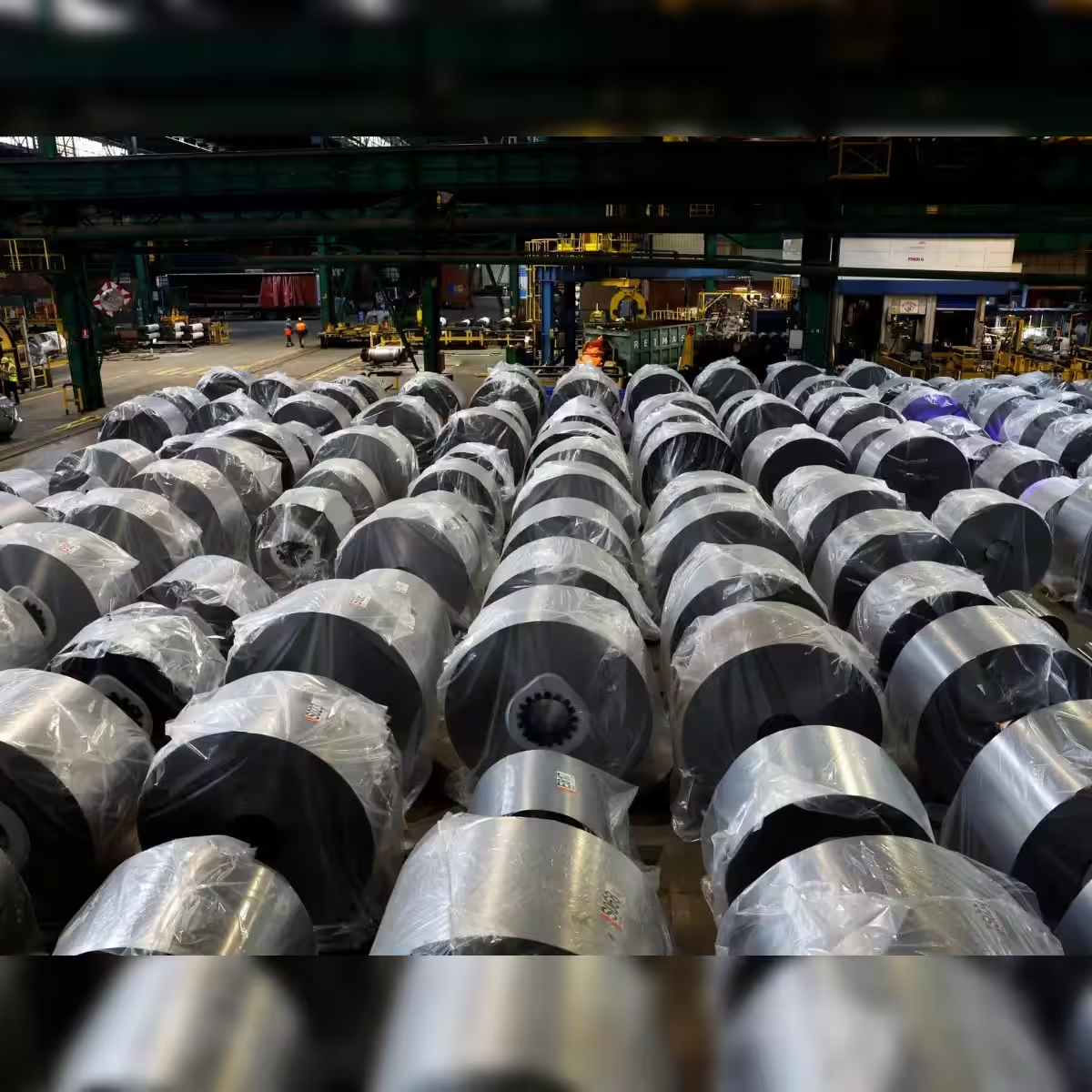
Stainless steel is changing to satisfy new needs as businesses look for stronger, more environmentally friendly materials. The future of infrastructure and building is being shaped by smart alloys that are more recyclable, energy efficient, and resistant to corrosion. This article examines the most recent developments in stainless steel and how they contribute to a more sustainable global community.
Stainless Steel’s Changing Function in Infrastructure
It has long been recognised that stainless steel is strong, long-lasting, and aesthetically pleasing. Traditional stainless steel does have several disadvantages, though, namely its high production energy consumption and environmental impact. These issues are being resolved by new smart alloys, which provide improved performance, increased longevity, and a reduced carbon footprint.
Green Production: Reducing Carbon Emissions
Nowadays, the manufacture of stainless steel places a high priority on sustainability. Greener practices are being adopted by manufacturers, including
- Low-Carbon Production: Steel production uses hydrogen rather than carbon, which lowers CO₂ emissions.
- More Recycling: New refining methods are increasing the efficiency of recycling stainless steel, which is a highly recyclable material
- Methods for Saving Energy: AI-powered energy management systems and electric arc furnaces are two examples of technologies that reduce energy use and their negative effects on the environment.
Smart Stainless Steel’s Applications in Contemporary Industries
Many industries are benefiting from new stainless steel alloys, such as
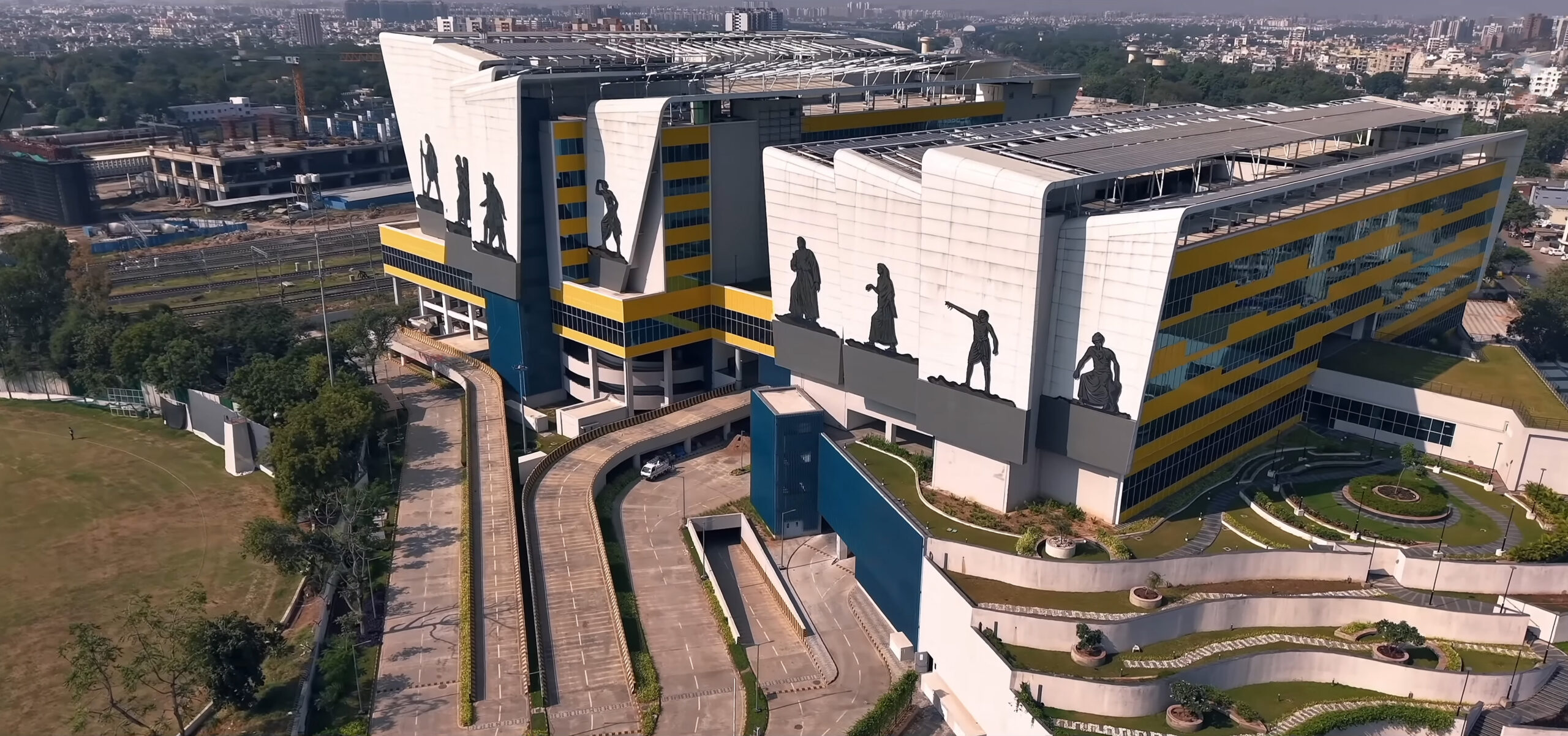
- Smart Cities: Used in energy-efficient constructions, bridges, and environmentally friendly buildings
- Renewable Energy: Because of its durability and resilience to weather, it is perfect for hydroelectric facilities, solar panel frames, and wind turbines.
Stainless Steel’s Future: An Ingenious, Sustainable Revolution
Sustainable infrastructure is expected to rely heavily on next-generation stainless steel as a result of ongoing research and technological integration. To ensure a future where building materials contribute to economic and environmental well-being, governments, manufacturers, and industries must work together to speed adoption.