Jindal Stainless Supplies Stainless Steel for India’s First Hydrogen-Powered Train
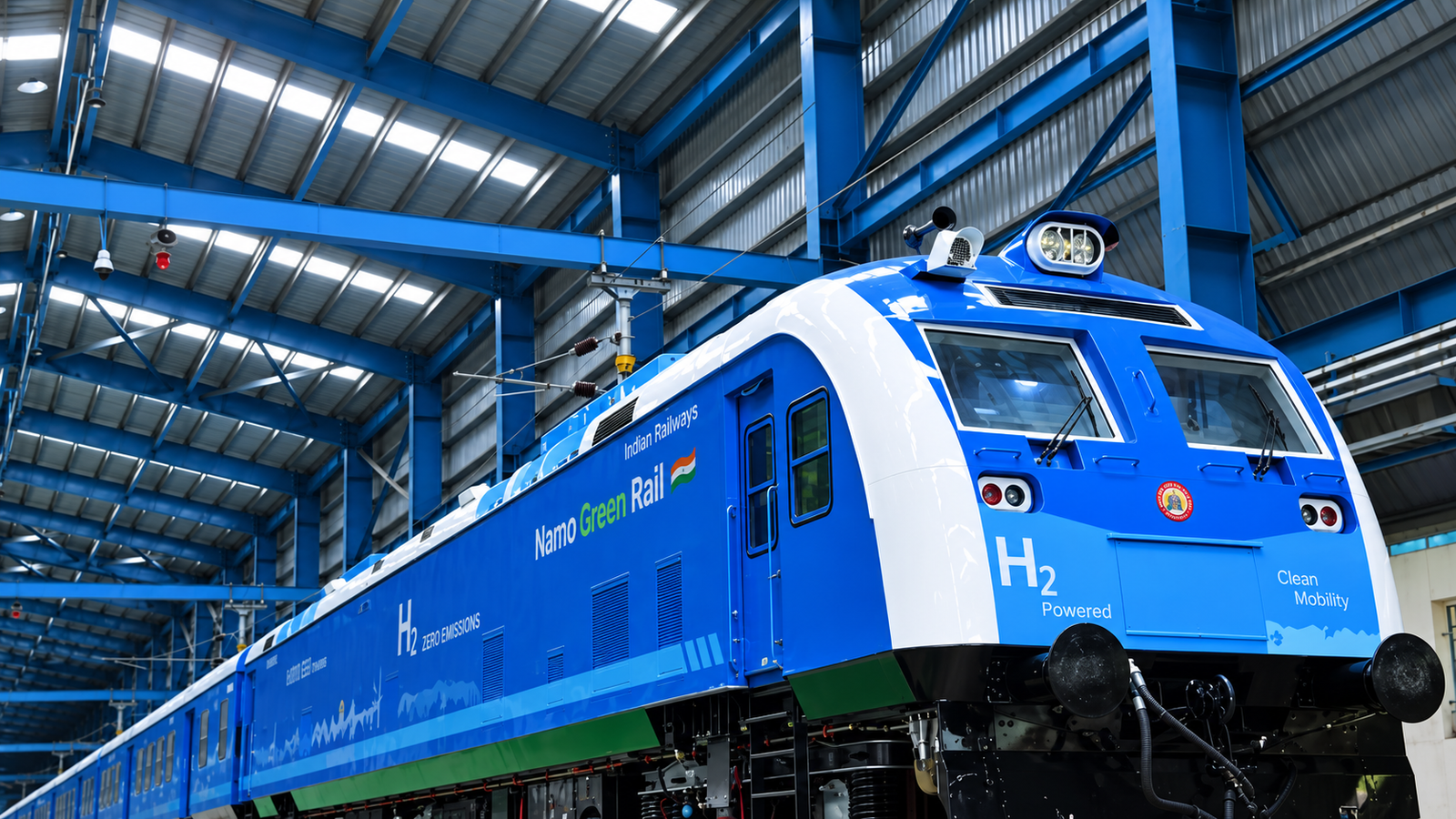
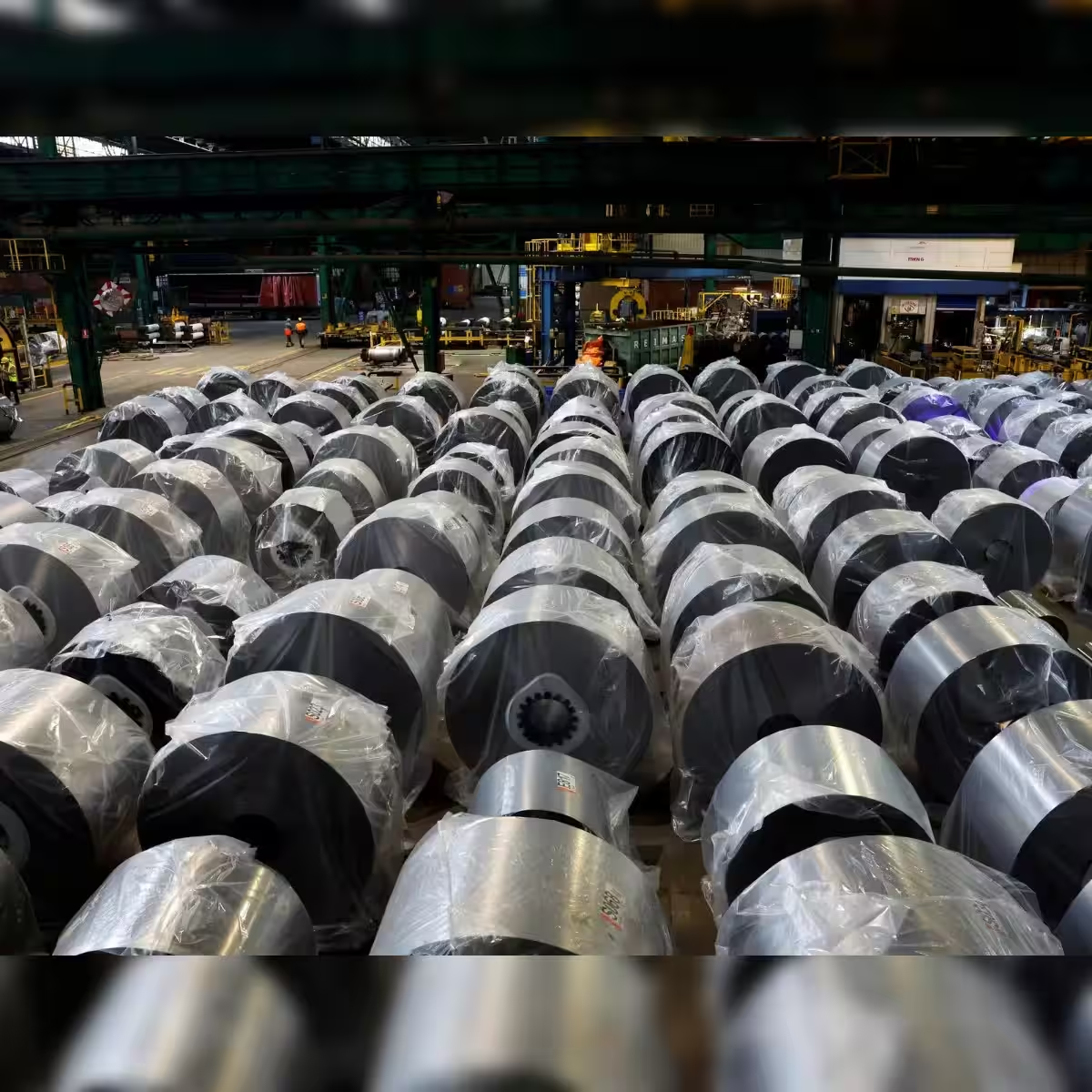
Jindal Stainless has supplied approximately 40% of the total stainless steel requirement for India’s first hydrogen-powered train, marking a significant milestone in the country’s transition towards sustainable and green mobility solutions. The company supplied the premium austenitic stainless steel grade X5CrNi1810, exclusively manufactured at its Jajpur (Odisha) and Hisar (Haryana) plants, for the fabrication of the train’s coach bodies.
The hydrogen-powered train is a major step forward in Indian Railways’ journey to adopt cleaner transportation technologies while reducing carbon emissions. Stainless steel plays a crucial role in modern railway coach manufacturing due to its exceptional corrosion resistance, high strength-to-weight ratio, crash-worthiness, durability, and long service life. Jindal Stainless’ contribution highlights its capability to meet the demanding material requirements of next-generation railway infrastructure.
The company’s supply for the project reinforces its longstanding partnership with Indian Railways and its commitment to supporting the nation’s infrastructure development. By providing a substantial share of the structural material for the hydrogen train, Jindal Stainless continues to strengthen its position as a key contributor to India’s rapidly evolving railway and transportation sector.
With the increasing focus on sustainable mobility, hydrogen-powered trains are expected to play an important role in reducing the environmental impact of rail transportation. The use of high-quality stainless steel further enhances the efficiency, safety, and longevity of these advanced railway coaches.
Jindal Stainless has been associated with Indian Railways for more than three decades, contributing to several landmark projects, including the country’s first LHB coaches, the Vande Bharat Sleeper, and India’s first Vande Metro train. The latest hydrogen train project adds another milestone to the company’s growing portfolio of contributions to India’s railway modernization.
The company reported an annual turnover of ₹42,955 crore in FY2025-26 and is currently expanding its manufacturing capabilities to achieve an annual melt capacity of 4.2 million tonnes by FY2026-27, further strengthening its ability to serve large-scale infrastructure and mobility projects in India and global markets.