Alleima Expands Nuclear-Grade Tube Production to Meet Rising Global Demand for Nuclear Energy
SEK 330 Million Investment Strengthens Supply Chain for Conventional Reactors and Emerging SMR Technologies
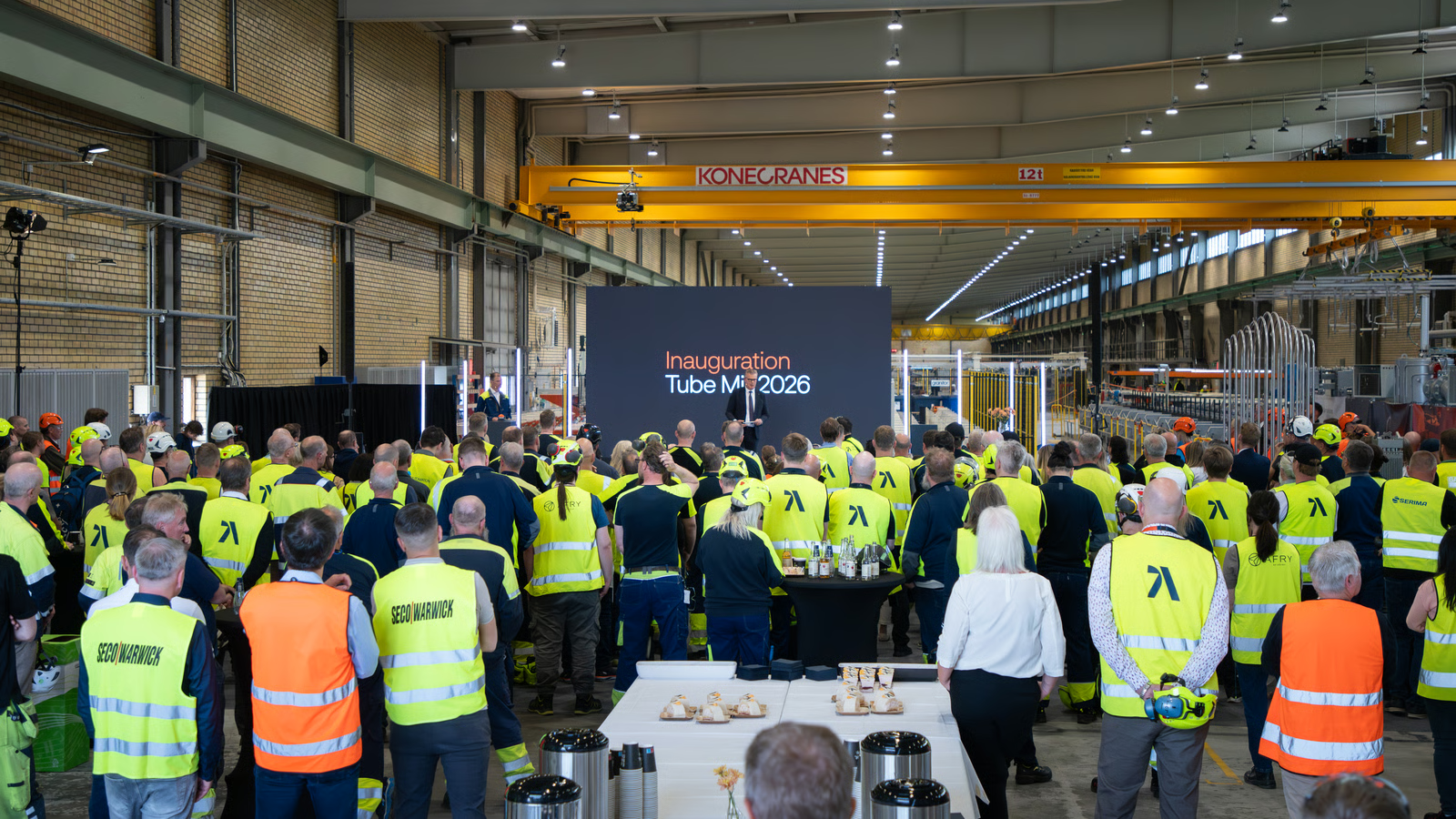
As the global nuclear energy sector experiences renewed momentum, Swedish specialty stainless steel and advanced alloys manufacturer Alleima has inaugurated its new Tube Mill 2026 production facility in Sandviken, Sweden. The investment, valued at approximately SEK 330 million, represents a significant step toward strengthening the supply chain for both conventional nuclear power plants and the rapidly growing small modular reactor (SMR) market.
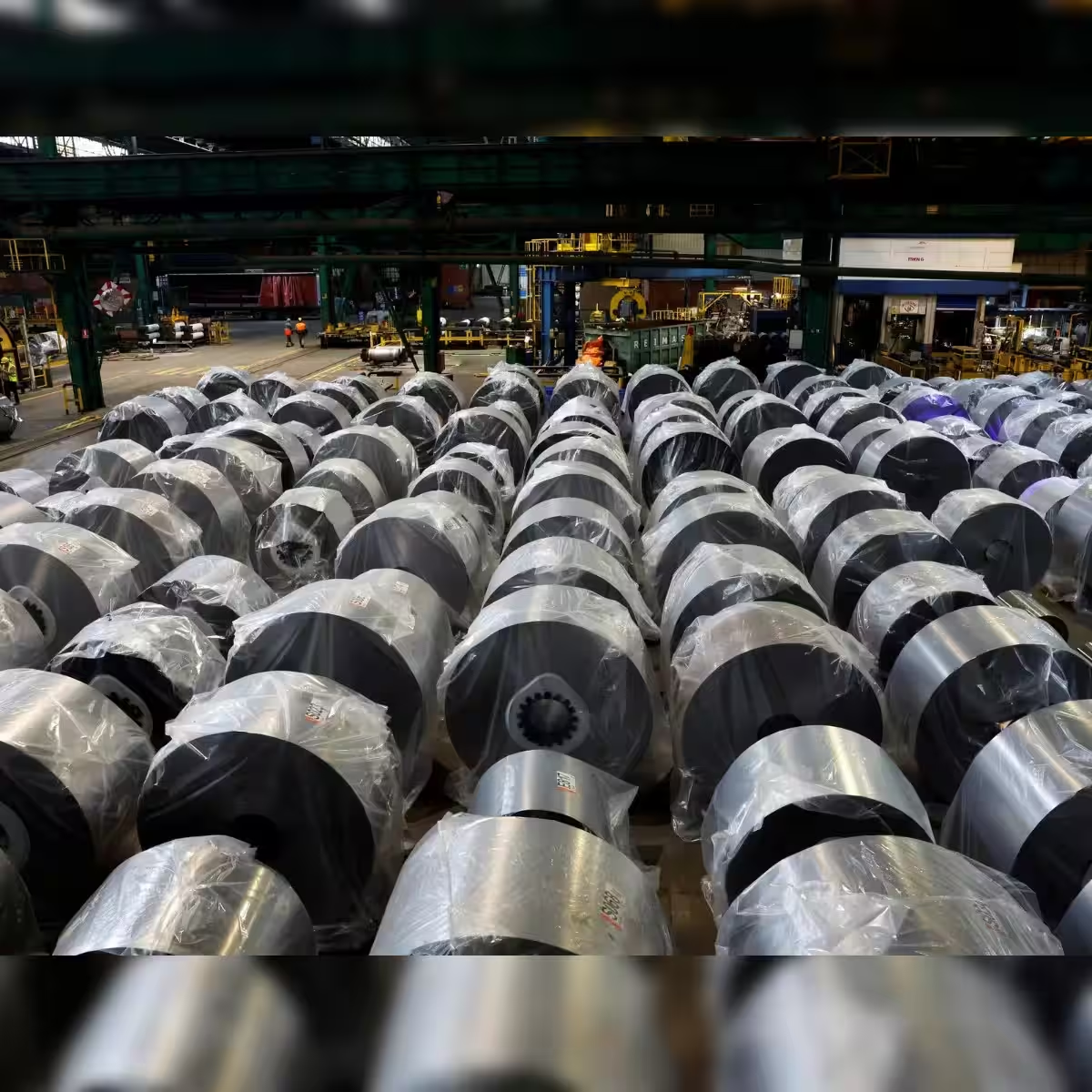
The newly upgraded facility is dedicated to the production of steam generator tubes—critical components used in nuclear power generation systems. With the reopening and modernization of an existing production unit, Alleima expects to increase its manufacturing capacity by nearly 60%, positioning itself to address rising global demand for nuclear-grade tubing and components.
Nuclear Renaissance Driving Demand
Governments worldwide are increasingly viewing nuclear energy as a key solution for achieving energy security, reducing carbon emissions, and supporting growing electricity requirements. In addition to large-scale nuclear plants, significant investment is flowing into SMR technologies, which promise greater flexibility, enhanced safety, and lower deployment costs.
This shift is creating new opportunities for suppliers of high-performance stainless steels and special alloys capable of operating in extreme temperature, pressure, and corrosion environments. Steam generator tubes, fuel cladding tubes, and other nuclear-grade components are among the most technically demanding products within the stainless steel value chain.
Strategic Importance for Stainless Steel Industry
The expansion highlights the growing importance of advanced stainless steel applications in the energy transition. Nuclear power plants rely on highly engineered materials that offer exceptional corrosion resistance, mechanical strength, and long-term reliability over decades of operation.
For more than six decades, Alleima has supplied critical tubing and components to nuclear facilities worldwide. The company manufactures steam generator tubes, fuel cladding tubes, and specialized nuclear-grade materials designed to meet stringent international safety and performance standards.
Industry analysts view investments such as Tube Mill 2026 as evidence that nuclear energy’s supply chain is entering a new growth phase. As reactor construction and modernization projects accelerate globally, demand for premium stainless steel and alloy products is expected to rise correspondingly.
Beyond Conventional Nuclear Power
While conventional reactors remain a major market, the emergence of SMRs is creating additional opportunities for advanced material suppliers. Alleima has indicated strong expectations for future growth in this segment and is actively involved in supplying products and participating in research initiatives related to next-generation reactor technologies.
The company also notes increasing interest in nuclear power from technology companies seeking reliable, carbon-free electricity for energy-intensive data centers and artificial intelligence infrastructure. This trend could further accelerate investment across the nuclear ecosystem and its associated materials supply chain.
Employment and Long-Term Growth
The expansion is expected to generate nearly 100 additional jobs, adding to Alleima’s existing workforce dedicated to nuclear operations. According to the company, the order book for the facility is already strong, reflecting sustained demand from global nuclear industry customers. Key players attending the inauguration included representatives from major nuclear technology companies involved in reactor development and deployment.
Stainless Today’s Perspective
The inauguration of Tube Mill 2026 underscores a broader industry trend: the increasing role of advanced stainless steel and specialty alloy manufacturers in enabling the global nuclear energy revival. As nations pursue low-carbon power generation and energy independence, suppliers capable of delivering high-performance nuclear-grade materials are poised to become critical partners in the next generation of energy infrastructure.
For the stainless steel industry, the project serves as a reminder that some of the sector’s most valuable growth opportunities lie in highly engineered applications where material performance, safety, and reliability are non-negotiable.