SAIL Rourkela Plate Mill Surpasses Rated Capacity, Signalling Efficiency-Driven Growth for India’s Steel and Stainless Steel Sectors
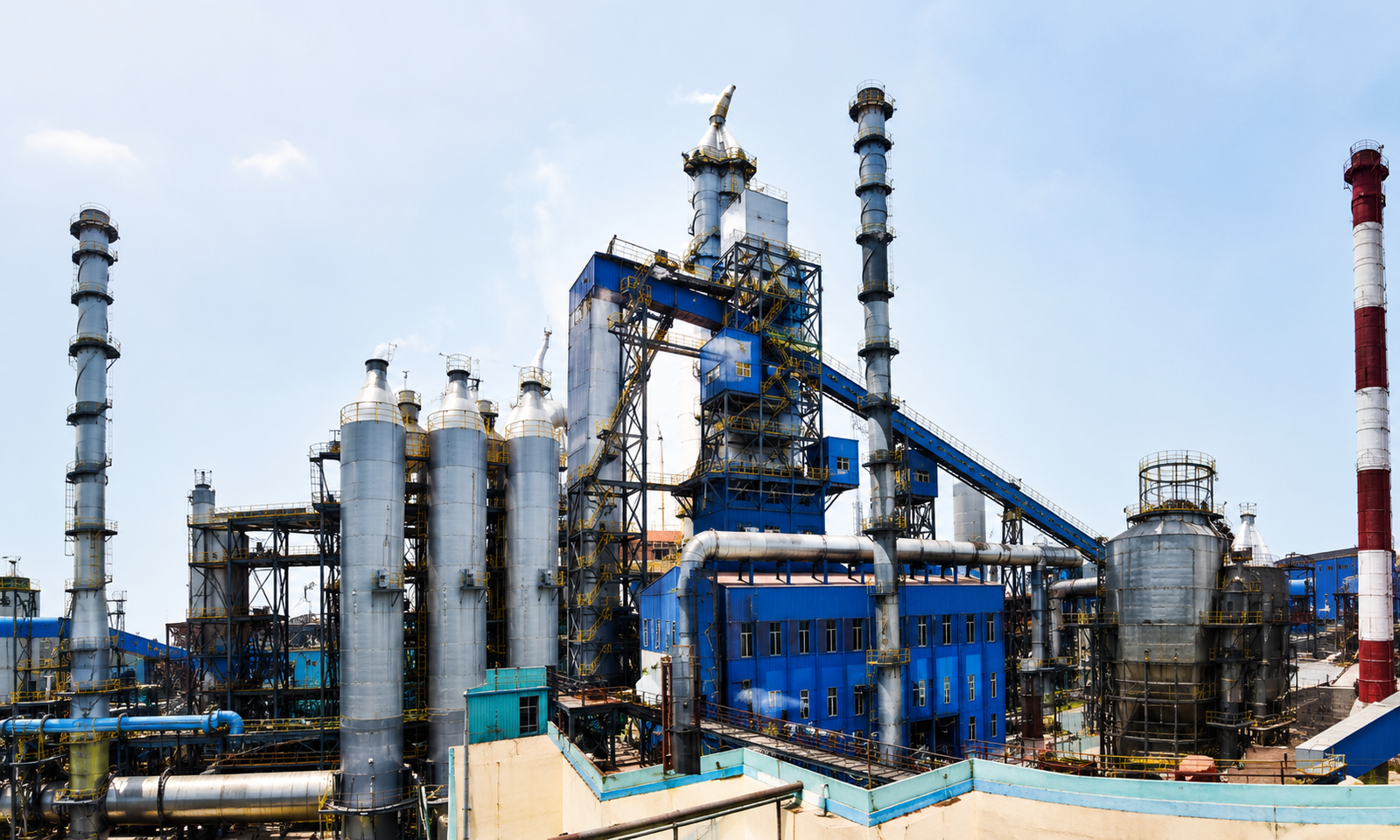
India’s steel industry is increasingly demonstrating that growth is not only about adding new capacity but also about maximizing the performance of existing assets. In a significant achievement, the Plate Mill at the Steel Authority of India Limited’s (SAIL) Rourkela Steel Plant has surpassed its rated production capacity, highlighting the growing role of operational excellence and automation in the country’s manufacturing landscape.
The Plate Mill recorded an annual output of 993,000 tonnes, exceeding its original rated design capacity of 920,000 tonnes by an impressive 73,000 tonnes. The milestone reflects the success of process optimization initiatives, improved operational discipline, and the adoption of advanced automation technologies that have enabled the facility to achieve higher throughput without major capacity additions.
The achievement comes at a time when India’s steel sector is focusing not only on expansion projects but also on improving productivity, reducing downtime, and enhancing manufacturing efficiency. By extracting greater output from existing infrastructure, steelmakers can improve competitiveness while meeting growing demand from infrastructure, construction, engineering, energy, and transportation sectors.
Industry experts believe that such efficiency-led growth will play a crucial role in supporting India’s long-term steel ambitions. As demand continues to rise, manufacturers are increasingly leveraging digital technologies, predictive maintenance systems, real-time monitoring, and data-driven decision-making to optimize production processes and improve plant performance.
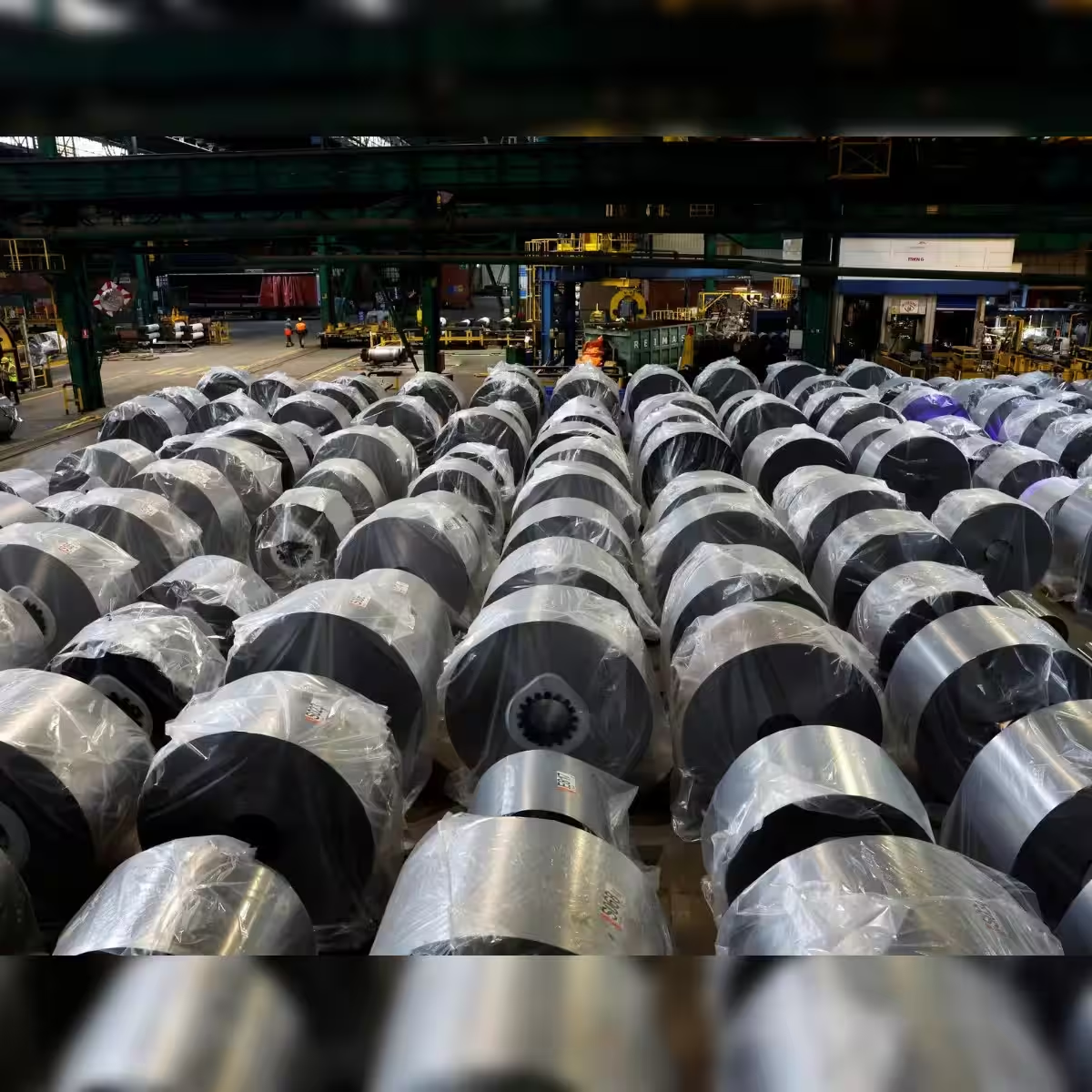
The success of the Rourkela Plate Mill also carries positive implications for the broader metals ecosystem, including the stainless steel sector. While the facility primarily produces carbon steel plates, advancements in automation, process control, and operational efficiency often set benchmarks that can be adopted across various segments of the steel industry.
For stainless steel producers, the growing emphasis on efficiency can contribute to stronger supply chains, improved logistics networks, and enhanced manufacturing practices. Efficient steel operations help streamline the movement of raw materials, reduce operational costs, and strengthen industrial infrastructure, all of which support downstream stainless steel manufacturing activities.
Moreover, sectors such as construction, transportation, industrial equipment, food processing, architecture, and renewable energy continue to drive demand for stainless steel products. Improved efficiency across the steel value chain can help ensure better availability of materials and more reliable supply networks for these rapidly expanding end-use industries.
The achievement further strengthens Odisha’s position as one of India’s leading industrial and steelmaking hubs. Home to major steel plants and supported by abundant mineral resources, the state continues to play a critical role in India’s manufacturing growth story. Performance milestones such as this reinforce the region’s importance in supporting both domestic consumption and industrial development.
As India’s steel industry evolves, operational efficiency is emerging as a key growth driver alongside capacity expansion. The record production at SAIL Rourkela’s Plate Mill demonstrates that smarter manufacturing practices can unlock significant gains from existing assets while creating positive ripple effects throughout the metals sector.
For both the steel and stainless steel industries, the message is clear: the future of manufacturing competitiveness will depend not only on how much capacity is built but also on how effectively that capacity is utilized.