Jindal Stainless, Oyster Renewable kickstart 315.6 MW hybrid project
Oyster Renewable Energy and Jindal Stainless Ltd have partially commissioned a major 315.6 MW solar-wind hybrid power project in Agar-Malwa, Madhya Pradesh. The project, costing over Rs 2,000 crore, is expected to provide a reliable supply of renewable energy while helping Jindal Stainless cut around 6.5 lakh tonnes of carbon emissions every year.
Hybrid power for cleaner energy
The project is being developed in phases across Madhya Pradesh and Gujarat, with roughly 216 MW of capacity in Madhya Pradesh and 99 MW in Gujarat.
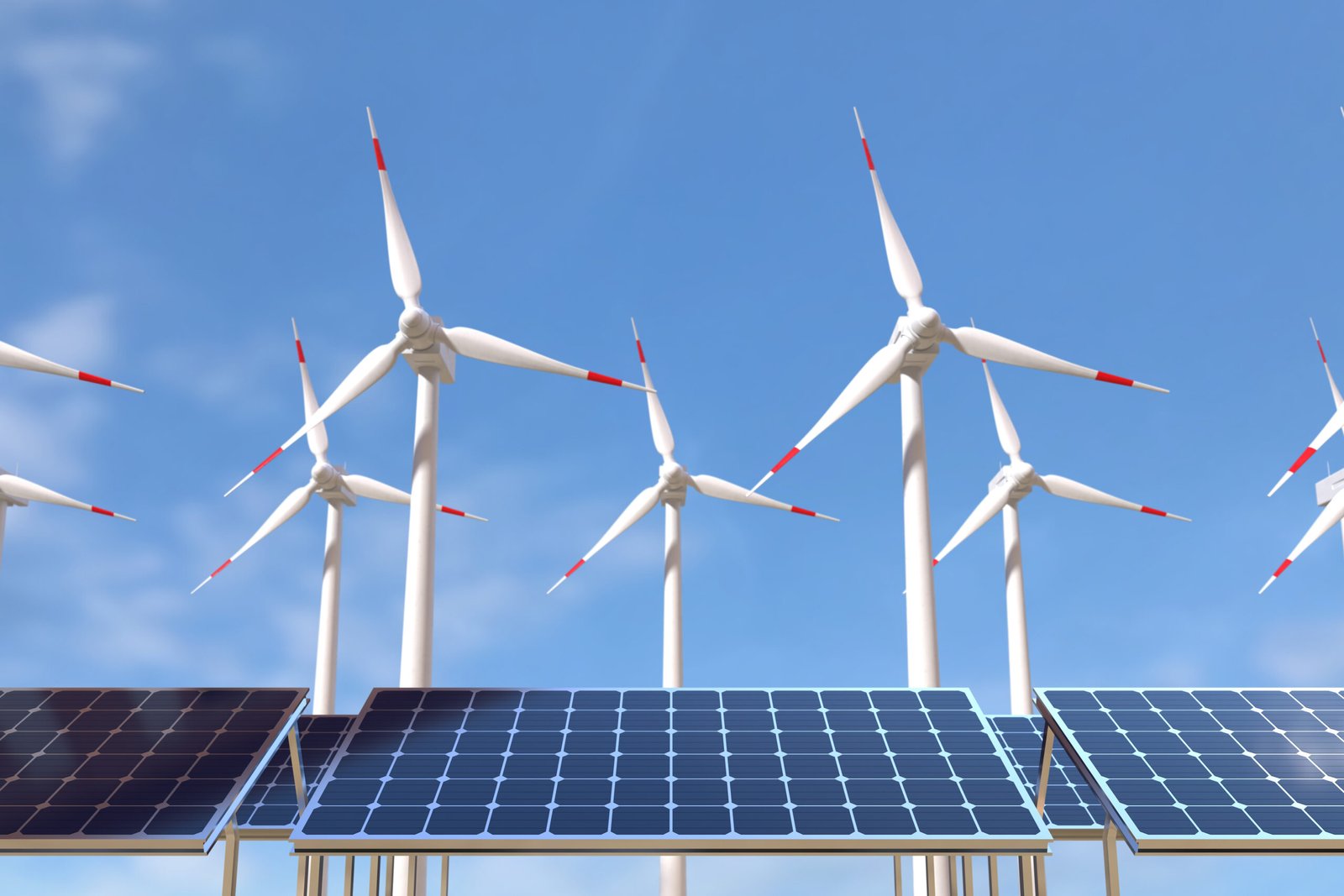
Oyster Renewable Energy has used bifacial solar modules with tracker systems, alongside 3.15 MW wind turbines, in a co-located hybrid setup. This combination of solar and wind power aims to maintain a steadier flow of electricity, especially for industrial users like Jindal Stainless, which relies heavily on consistent energy for operations.
Hybrid systems combine solar and wind power to balance energy generation, enhancing reliability and efficiency. By using both sources together, the facility can continue producing electricity even when solar or wind conditions are low, ensuring a more consistent and steady energy supply.
Investment and industrial impact
Jindal Stainless has contributed around Rs 132 crore to the overall investment of over Rs 2,000 crore. The company expects the project to significantly reduce its carbon footprint. Once fully operational, it could cut approximately 6.5 lakh metric tonnes of CO₂ annually, a major step towards cleaner steel production and sustainable industrial practices.
Renewable projects of this scale are essential for large manufacturers like Jindal Stainless, where energy demands are high and reducing environmental impact is a growing priority. Phased commissioning allows parts of the plant to start supplying power while other sections are still under construction, helping to maximise efficiency and deliver early benefits.
Looking ahead
The Agar-Malwa project is seen as a milestone for renewable energy adoption in India’s industrial sector. By combining wind and solar power in one hybrid system, companies can secure a more reliable energy supply and reduce dependency on fossil fuels.
Jindal Stainless’s commitment shows that even energy-intensive industries can take significant steps towards sustainability while maintaining production levels.